tara vine Care (Actinidia arguta)

Also known as: Hardy kiwifruit, Bower actinidia
tara vine

About tara vine

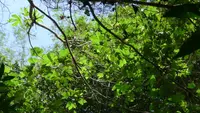
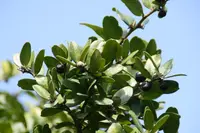
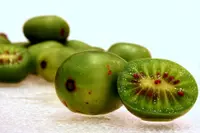
Tara vine, Actinidia arguta, is a vigorous deciduous climber grown mainly for its small, smooth-skinned kiwi-like fruits and dense green foliage. It uses twining stems to climb supports, often creating a lush screen when properly trained. Native to East Asia, it is adapted to temperate climates with cool winters and mild summers. The plant is generally robust but needs space, a sturdy support, and suitable pollination to fruit well. It prefers sun to light shade, evenly moist soil, and good drainage, which makes it relatively straightforward to care for tara vine in many gardens.

Main Plant Requirements

Care Difficulty

Moderate Care

Light Preference

Full Sun

Water Requirements

Regular Water

Temperature Preference

Cold Hardy

Hardiness Zone

4–8

Soil Texture

Loamy, Sandy, Organic-rich

Soil pH

Acidic (5.5–6.5), Slightly acidic (6.5–7.0)

Soil Drainage

Moist but well-drained

Fertilization

Minimal (feed rarely)

Get Personalized Care Plan

Scan your plant to receive care tips personalized for your specific plant

Available on iOS and Android

How to Care for the tara vine

This vigorous climber needs plenty of sun to flower and fruit well outdoors.

  • Provide 6–8 hours of direct sun daily, with morning sun and light afternoon shade ideal in hot summer areas for tara vine.
  • Plant in an open, unshaded spot; it tolerates light partial shade but fruiting and vine density decrease if daily sun drops below about 4 hours.
  • In very hot climates, protect from harsh west-facing exposure to reduce leaf scorch, while in cooler regions choose a full-sun south-facing site.

Actinidia arguta prefers consistently moist, well-drained soil rather than extremes of wet or dry.

  • Water when the top 3–5 cm of soil feel dry, applying a deep soak so moisture reaches the root zone instead of frequent light sprinkling.
  • Use soil rich in organic matter with good drainage; soggy ground, pooling water, or a sour smell indicate overwatering and risk of root rot.
  • In summer drought, watch for wilting or dull, curling leaves as signs of underwatering; reduce watering in cool, rainy, or dormant seasons.

This hardy kiwi vine thrives in cool to warm temperate climates with distinct seasons.

  • Optimal growth occurs around 65–80°F (18–27°C), with strong vegetative growth and flowering during warm, frost-free months.
  • Dormant plants tolerate winter cold down to about -10–20°F (-23–-6°C), depending on cultivar and shelter, but young vines are less cold-hardy.
  • Mature vines handle summer heat up to about 90°F (32°C) if soil stays evenly moist; prolonged hotter periods can scorch leaves and stress fruit set.

Humidity is not a major limiting factor for Actinidia arguta in typical outdoor conditions.

Actinidia arguta prefers deep, moist, well‑drained loam with high organic content.

  • Use a loamy soil rich in organic matter that holds moisture yet drains freely, avoiding dense, sticky textures.
  • Aim for slightly acidic to neutral pH around 6.0–7.0, adjusting with elemental sulfur or lime only if a soil test shows imbalance.
  • Incorporate 25–40% compost plus coarse sand or fine bark to improve structure, aeration, and nutrient availability.
  • Avoid waterlogged, compacted, or very shallow soils, which restrict root growth and greatly increase the risk of root rot.

This species can be grown in large containers if root volume and stability are carefully managed.

  • Choose a heavy, wide-based pot to counter the vine’s top-heavy growth and reduce tipping in strong winds.
  • Select a container at least 40–50 cm deep to allow extensive root development and more even moisture distribution.
  • Use a slightly porous material such as unglazed clay if overwatering is a risk, as it allows faster evaporation and reduces prolonged saturation.

Actinidia arguta benefits from moderate, well-timed feeding to support vigorous vine and fruit growth.

  • Use a balanced, slow-release fertilizer (for example 10-10-10) or well-rotted compost applied at the soil surface.
  • Feed once in early spring as buds swell, then again in mid-summer if growth or fruiting is weak.
  • Apply at half to three-quarter label strength for container plants to avoid salt buildup in the root zone.
  • Stop feeding by late summer and do not fertilize during fall and winter dormancy to allow wood to harden.

Pruning Actinidia arguta helps control size, encourage fruiting wood, and maintain plant health.

  • Carry out main pruning in late winter while vines are dormant, before sap flow starts.
  • Remove dead, diseased, crossing, or crowded stems, cutting back to healthy wood with sharp bypass pruners.
  • Shorten long, whippy shoots produced last season to 6–10 buds to concentrate energy into fruiting spurs.
  • In summer, thin overly dense new growth to improve light penetration and air flow through the canopy.

This vigorous vine is usually grown in the ground, so focus on careful transplanting rather than frequent repotting.

  • Transplant in early spring or early fall when temperatures are mild and soil is workable.
  • Look for roots circling the pot, poor drainage, or slow growth as signs a container plant needs a larger space.
  • Shift to a container 1–2 sizes larger or into open ground with deep, well-drained, fertile soil and sturdy support.
  • Water thoroughly before and after moving, keep roots shaded, and maintain even moisture for several weeks to reduce stress.

Actinidia arguta is commonly propagated by cuttings and layering to maintain known fruiting characteristics.

  • Take semi-ripe cuttings in mid to late summer, 8–12 cm long, with 2–3 nodes each.
  • Insert cuttings into a free-draining mix, keep at 68–75°F with high humidity, and provide bright, indirect light.
  • Create simple layers in spring by pegging flexible shoots to moist soil and severing once strong roots form.
  • Sow fresh seed in fall or after cold stratification, using well-drained seed compost and consistent, light moisture.

This hardy kiwi tolerates substantial winter cold but young plants and containers benefit from basic protection.

  • Established in-ground vines withstand freezes in many temperate climates once fully dormant.
  • Apply 5–8 cm of organic mulch over the root zone in late fall, keeping it slightly away from the trunk.
  • For young or marginal-site plants, shelter the lower stem with breathable frost cloth or a loose burlap wrap.
  • Move container-grown vines into an unheated garage or sheltered area where temperatures remain above about 15°F.

Care Tips

Sturdy Trellis Setup

Install a heavy-duty trellis, wire system, or pergola before planting and space main wires 30–45 cm apart so the vine can be securely tied and supported as it gains weight from dense wood and fruit.

Train A Central Leader

Select 1–2 strong shoots in the first year and tie them vertically to the main support, removing competing shoots, to build a clear trunk and framework that makes pruning and harvesting much easier later.

Encourage Lateral Spurs

Once the main leader reaches the top wire, pinch or head it back slightly and train side shoots horizontally along the wires to form fruiting laterals that will carry most of the crop.

Plan Male–Female Spacing

When planning how to take care of tara vine outdoors, plant 1 male within 3–6 m of up to 6–8 female vines and stagger them along the same support so wind and pollinators can move pollen efficiently between plants.

Protect Trunk Base

Keep grass, string trimmers, and mowers away from the vine base by maintaining a 30–60 cm wide mulch ring to prevent bark damage that can slow growth or create entry points for disease.

Common Pests and Diseases

Two-spotted spider mite

This pest feeds on the undersides of leaves, causing fine speckling, bronzing, and eventual leaf drop, especially in hot, dry weather. Symptoms include fine webbing between leaves and along young shoots.

Solution

Rinse vines thoroughly with a strong stream of water, focusing on leaf undersides, and repeat every few days to knock numbers down. For heavier infestations, use horticultural oil or insecticidal soap labeled for mites, and reduce plant stress by maintaining even soil moisture and good air circulation.

Leafroller caterpillars

These insects roll or tie young leaves together with silk and feed inside the shelter, leaving ragged holes and distorted new growth. Damage is often most noticeable on tender shoot tips and developing flower buds.

Solution

Prune out and destroy rolled or webbed leaves as soon as they are noticed, checking inside for caterpillars. If damage is extensive, use a biological product containing Bacillus thuringiensis (Bt) on young larvae, making sure to coat new growth thoroughly.

Japanese beetle

This pest chews between the veins of leaves, creating a skeletonized appearance and, in heavy outbreaks, can strip large portions of the canopy. Adults often gather in groups on sun-exposed foliage and flowers.

Solution

Hand-pick beetles in the early morning into a container of soapy water to reduce numbers and protect foliage. To limit damage during peak flight, consider using row covers on young vines or targeted traps placed away from the plants, and avoid placing attractant traps directly beside the planting.

Bacterial canker

This disease causes sunken, dark cankers on stems and leaders, sometimes accompanied by oozing bacterial exudate and sudden wilting or dieback of shoots above the lesion. Symptoms include leaf spots and premature leaf drop on severely affected vines.

Solution

Prune out cankered branches at least 15–20 cm below visible symptoms during dry weather, disinfecting tools between cuts with 70% alcohol or a dilute bleach solution. Improve airflow, avoid overhead irrigation that keeps foliage wet, and remove fallen leaves or prunings from the area to reduce bacterial spread.

Pseudomonas leaf spot

This disease produces small, dark, water-soaked spots on leaves that may enlarge and develop pale or yellow halos, leading to tattered foliage under severe pressure. Symptoms include cosmetic damage to leaves but can also weaken young vines if repeated infections occur.

Solution

Limit leaf wetness by watering at soil level and spacing vines to encourage fast drying. Remove and discard heavily spotted leaves, especially at the end of the season, and avoid pruning or handling vines when foliage is wet to reduce bacterial movement between plants.

Interesting Facts

Cold-hardy kiwifruit

This species is notably more frost tolerant than common kiwifruit, surviving winter lows well below freezing, which allows outdoor cultivation in many temperate regions where Actinidia deliciosa would be damaged or killed.

Smooth edible skin

The fruits are grape-sized and naturally hairless, so the entire berry, including the thin skin, is eaten without peeling, unlike the fuzzy fruits of several related kiwifruit species.

Dioecious flowering habit

Most plants are either male or female and produce only staminate (male) or pistillate (female) flowers, so fruit set usually requires at least one compatible male plant nearby for pollination.

Botan icon

Did you know?

In its native East Asian range, this vigorous woody vine can climb high into forest canopies and form dense tangles, where birds and small mammals play a key role in dispersing its seeds by feeding on the soft, sugar-rich fruits.

FAQs about tara vine

This species is generally fast-growing, often extending 1–3 m per year once established, especially in fertile, well-drained soil. Growth is slower in poor soil, cold climates, or when newly planted and still developing its root system.

Grow Healthy Plants with Botan Care

Keep your plants happy and healthy with plant identification, disease detection, and easy care guidance.

Botan plant care app — identify plants on mobile

Explore More Plants