Regular renewal sowing
Stagger-sow small batches every 3–4 weeks during warm months to keep a continuous supply of young, vigorous plants, since this species is naturally short-lived and can quickly become woody and less productive.

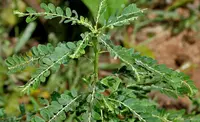
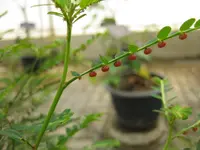
Carry me seed, Phyllanthus amarus, is a small annual herb often found in warm, tropical and subtropical regions. It typically grows low to the ground with slender, green stems and many tiny leaflets arranged along each side. The plant often appears in disturbed soils, fields, and garden edges, where it can self-seed and form small patches. Its modest size and fast life cycle make it easy to grow but also somewhat weedy if not monitored. It prefers bright light, moderately moist but well-drained soil, and warm conditions, so understanding how to care for carry me seed starts with providing stable warmth and avoiding waterlogged sites.

Care Difficulty
Moderate Care

Light Preference
Full Sun

Water Requirements
Regular Water

Temperature Preference
Tropical / Frost Sensitive

Hardiness Zone
10–12

Soil Texture
Sandy, Loamy, Organic-rich

Soil pH
Acidic (5.5–6.5), Slightly acidic (6.5–7.0)

Soil Drainage
Moist but well-drained

Fertilization
Minimal (feed rarely)
Scan your plant to receive care tips personalized for your specific plant
Available on iOS and Android
Phyllanthus amarus prefers bright outdoor conditions with gentle, not harsh, sun exposure.
This species prefers evenly moist, well-drained soil without long dry or soggy periods.
This warm-season herb grows best in consistently mild to warm conditions without frost exposure.
Humidity plays a minor role for Phyllanthus amarus, which adapts well to typical indoor and outdoor air.
Phyllanthus amarus prefers light, well‑structured soil that drains freely yet holds some moisture.
This species adapts well to container growing for controlled moisture and easy access.
Phyllanthus amarus is a light feeder, so only modest fertilization is needed for healthy growth when growing carry me seed in pots or beds.
Phyllanthus amarus benefits from light, careful pruning to maintain a compact, healthy form.
This small annual or short-lived perennial is usually grown in beds, but container plants sometimes need transplanting to maintain healthy root growth.
Phyllanthus amarus is most often propagated from seed, which allows many uniform plants to be raised at low cost.
This species is frost sensitive and usually treated as an annual in cooler climates, so winter care focuses on avoiding freezing damage.

Plant Health Check
Not sure what's wrong with your plant? Check your plant's health inside the app.
Its tiny fruits are explosively dehiscent, meaning the seed capsules dry and suddenly spring open, flinging seeds a short distance from the parent plant for dispersal.
The tissues contain calcium oxalate crystals, microscopic mineral structures that may help deter herbivores and regulate excess calcium inside the plant.
This species is a true annual in most conditions, often completing its entire life cycle from germination to seed production within a single warm season.

Molecular studies place Phyllanthus amarus within a complex species group that was historically confused with several very similar Phyllanthus species, so modern identification now relies on subtle features such as leaf arrangement, capsule size, and seed surface patterns examined under magnification.
Lack of flowers often comes from insufficient light, nutrient-poor or exhausted soil, or stress from irregular watering. Improve light exposure, refresh soil with a balanced fertilizer, and keep moisture even to support bud and flower formation.
Keep your plants happy and healthy with plant identification, disease detection, and easy care guidance.