Seedling density control
Thin young plants so individual seedlings stand 10–15 cm apart, which improves airflow and reduces fungal issues while keeping a more compact, manageable stand for harvesting or observation.

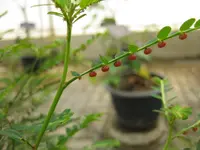
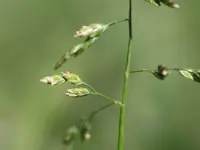
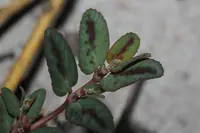
Chamber bitter (Phyllanthus urinaria) is a small, annual herb that often appears as a lawn or garden weed. It has slender stems lined with tiny, fern-like leaflets and produces small, round seed capsules along the undersides of the branches. Native to tropical and subtropical regions of Asia, it has spread widely in warm and humid climates, including parts of the southern United States. The plant grows quickly from seed and can form dense patches, which makes it persistent and sometimes hard to control. It prefers warm temperatures, regular moisture, and disturbed or open soil, which influences how to care for chamber bitter in cultivation or control.

Care Difficulty
Moderate Care

Light Preference
Partial Sun

Water Requirements
Moderate Water

Temperature Preference
Tropical / Frost Sensitive

Hardiness Zone
9–11

Soil Texture
Sandy, Loamy, Organic-rich

Soil pH
Acidic (5.5–6.5), Slightly acidic (6.5–7.0)

Soil Drainage
Moist but well-drained

Fertilization
Minimal (feed rarely)
Scan your plant to receive care tips personalized for your specific plant
Available on iOS and Android
Phyllanthus urinaria prefers bright outdoor conditions with some protection from harsh midday sun.
Phyllanthus urinaria grows best in consistently moist but not waterlogged soil.
This species prefers warm, frost-free conditions for steady growth.
This species grows well in average room humidity but benefits from moderately moist air.
This plant prefers loose, consistently moist, well‑draining soil.
This species is suitable for container growing outdoors and in sheltered spots.
This self-sufficient annual typically needs no feeding in garden soil, so chamber bitter is often grown without added fertilizer.
Phyllanthus urinaria benefits from light, targeted pruning to keep plants compact and healthy.
Transplanting or occasional repotting helps manage spread and maintain healthy growth when Phyllanthus urinaria is grown in controlled conditions.
This species is most often propagated from seed rather than cuttings or division.
Phyllanthus urinaria is a frost-sensitive annual that dies back in cold climates and relies on self-sown seed for the next season.

Plant Health Check
Not sure what's wrong with your plant? Check your plant's health inside the app.
Its small capsule fruits dry and split open suddenly, ejecting seeds a short distance from the parent plant, a mechanism called ballistic seed dispersal.
The apparent leaflets are actually tiny branchlets bearing many closely spaced leaves, giving a feathery, compound-leaf appearance that can be mistaken for a small fern or mimosa.
Although native to parts of Asia, this species now grows as a naturalized weed in many tropical and subtropical regions, often appearing in disturbed soils, lawns, and agricultural fields after rainy periods.

Molecular studies using DNA markers have shown that populations of this species from different continents are genetically very similar, supporting the idea that its global spread is relatively recent and strongly linked to human-mediated seed movement.
Yellowing leaves usually result from root disturbance, nutrient-poor or compacted soil, or prolonged water stress. Improve drainage, avoid frequent pulling or transplanting, and use a balanced fertilizer lightly. Older, lower leaves may yellow naturally as plants age.
Keep your plants happy and healthy with plant identification, disease detection, and easy care guidance.