


Control Spreading Rhizomes
Install a root barrier or plant in a large buried container 25–30 cm deep to keep underground rhizomes from invading nearby beds when growing mugwort.

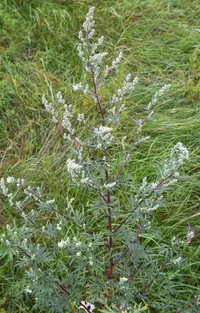
Mugwort, Artemisia vulgaris, is a hardy perennial herb in the daisy family, often grown for its aromatic foliage and traditional uses. It forms upright clumps with deeply divided, dark green leaves that are silvery underneath. In the wild, it commonly occurs along roadsides, disturbed ground, and open fields across Europe, Asia, and North America. It spreads readily by rhizomes, so it can become invasive if not contained. Mugwort tolerates poor, dry soil and neglect, which makes it easy to maintain once established. Understanding how to care for mugwort starts with offering full sun, well-drained soil, and moderate watering.

Care Difficulty
Easy Care

Light Preference
Full Sun

Water Requirements
Low Water

Temperature Preference
Cold Hardy

Hardiness Zone
3–8

Soil Texture
Sandy, Loamy, Rocky

Soil pH
Slightly acidic (6.5–7.0), Slightly alkaline (7.0–7.5)

Soil Drainage
Well-drained

Fertilization
Minimal (feed rarely)
Scan your plant to receive care tips personalized for your specific plant
Available on iOS and Android
This hardy perennial prefers full sun but adapts to a range of outdoor light conditions.
This species prefers dry to moderately dry soil and is very sensitive to prolonged wetness.
This hardy perennial tolerates a wide temperature range once established outdoors.
Humidity is rarely a concern for Artemisia vulgaris grown in typical home or outdoor conditions.
Artemisia vulgaris prefers lean, well-drained soil and stays healthier in slightly dry, open conditions.
This species is suitable for container growing when the pot is prepared to manage its spreading, woody root system.
This hardy perennial usually thrives in poor soils, so caring for mugwort involves only light feeding in cultivation.
Pruning keeps Artemisia vulgaris dense, manageable, and prevents self-seeding from becoming excessive.
This species is more often transplanted in the ground than kept long-term in containers.
This plant is commonly propagated and can spread quickly if unmanaged.
Artemisia vulgaris is generally cold hardy and needs minimal winter care in most temperate climates.

Plant Health Check
Not sure what's wrong with your plant? Check your plant's health inside the app.
This species expands mainly through underground rhizomes, allowing a single plant to form large, dense clonal patches that can dominate disturbed soils and roadsides.
Roots of this plant often host specific nitrogen-fixing bacteria that can convert atmospheric nitrogen into forms usable by the plant, helping it colonize nutrient-poor sites.
Its essential oil composition varies widely between populations, with different chemotypes showing distinct dominant compounds such as camphor, cineole, or thujone, which affect its scent and ecological interactions.

Pollen from this species is one of the major causes of late-summer aeroallergen exposure across large parts of Europe and temperate Asia, and it has become an important allergenic weed in some regions where it has been introduced, such as North America.
Brown leaves usually result from drought stress, excess heat, or accumulated salts from fertilizer. Check soil moisture, flush the pot occasionally to remove salts, trim damaged foliage, and avoid letting the root zone stay dry for long periods.
Keep your plants happy and healthy with plant identification, disease detection, and easy care guidance.

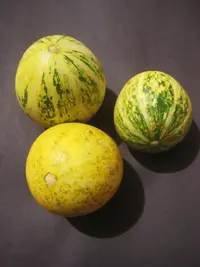
Missouri gourd
Cucurbita foetidissima
shaggyfruit pepperweed
Lepidium lasiocarpum
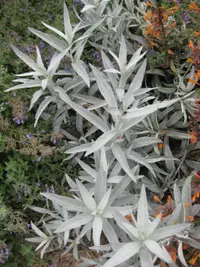
prairie sage
Artemisia ludoviciana
crimson clover
Trifolium incarnatum

Swedish Ivy
Plectranthus forsteri 'Marginatus'
sweet wormwood
Artemisia annua
Bambusa spinosa
Bambusa spinosa
Plectranthus
Plectranthus argentatus 'Silver Shield'