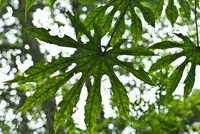
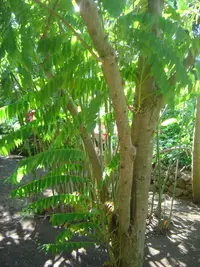
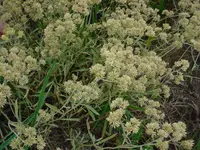
Plectranthus Care (Plectranthus argentatus 'Silver Shield')

About Plectranthus

Plectranthus argentatus 'Silver Shield' is a soft, shrubby perennial grown mainly for its velvety, silver-gray foliage. It forms a rounded, bushy mound and is often used as a border or container accent.

This species comes from Australia, where it grows in warm, dry regions, which explains its good drought tolerance once established. Its leaves are slightly fuzzy, which helps reduce water loss and makes it more resilient in sunny, breezy spots.

Overall it is considered an easy plant, as long as it has good drainage and is not kept constantly wet. Understanding how to care for Plectranthus starts with providing bright light, moderate water, and loose, well-aerated soil.

Main Plant Requirements

Care Difficulty

Easy Care

Light Preference

Partial Sun

Water Requirements

Moderate Water

Temperature Preference

Tropical / Frost Sensitive

Hardiness Zone

10–11

Soil Texture

Sandy, Loamy, Organic-rich

Soil pH

Acidic (5.5–6.5), Slightly acidic (6.5–7.0)

Soil Drainage

Moist but well-drained

Fertilization

Light (every 4–6 weeks)

Get Personalized Care Plan

Scan your plant to receive care tips personalized for your specific plant

Available on iOS and Android

How to Care for the Plectranthus

Silver-leafed Plectranthus argentatus 'Silver Shield' prefers bright, gentle light that avoids harsh midday sun.

  • Provide 4–6 hours of morning sun or bright, filtered light daily; site east-facing or under light tree canopy outdoors.
  • Plant where it receives partial shade during hot afternoons to prevent leaf scorch, especially in summer or in warm climates.
  • If stems stretch or leaves lose silvery color, increase light exposure; if foliage yellows or crisps, reduce direct midday sun.

Plectranthus argentatus 'Silver Shield' prefers evenly moist but never saturated soil.

  • Water when the top 3–5 cm of soil feels dry, soaking thoroughly, then let excess drain away to avoid standing water around roots.
  • In spring and summer, expect to water more often during active growth and heat; reduce frequency in cooler months when growth slows.
  • Watch for drooping, thin leaves and dry soil as signs of underwatering, and yellowing, mushy stems or a sour smell as signs of overwatering.

This plant grows best in warm, frost-free conditions with mild summer heat.

  • Aim for 65–80°F (18–27°C) for strong growth; short spikes to 85°F (29°C) are tolerated if soil moisture is maintained.
  • Protect from cold; growth slows below 55°F (13°C), and prolonged exposure near 40°F (4°C) can cause leaf damage or drop.
  • Plectranthus argentatus 'Silver Shield' is not frost hardy, so avoid exposure to 32°F (0°C) or below and shield from cold winds and sudden temperature swings.

This species handles typical indoor humidity but grows best with moderate, stable moisture in the air.

  • Aim for 40–60% humidity; most heated or air-conditioned homes sit at the lower end of this range.
  • Dry air may cause leaf edges to brown and fine hairs to look dull or slightly shriveled.
  • Increase humidity by grouping plants, placing the pot on a pebble tray with water below the base, or using a small room humidifier.

Plectranthus argentatus 'Silver Shield' prefers a loose, fast-draining, slightly organic soil mix.

  • Use a mix of roughly 50–60% all-purpose potting mix with 20–30% perlite and 10–20% fine bark or coarse sand for structure.
  • Target a slightly acidic to neutral pH around 6.0–7.0, which supports even nutrient uptake without special amendments.
  • Ensure water drains through in seconds, not minutes; if runoff lingers, increase perlite or sand to improve aeration.
  • Avoid heavy, compacted, or clay-based substrates that stay wet for long periods, as these favor root rot and stem collapse.

This species is well suited to container growing on patios, balconies, and in mixed planters.

  • Choose a wide, relatively shallow pot to accommodate its spreading root system and foliage without making the container top-heavy.
  • Use a slightly heavier material such as ceramic or thick-walled plastic outdoors to prevent wind from tipping the plant.
  • Ensure drainage holes are large and unobstructed so excess water exits quickly instead of pooling around the fine surface roots.

This plant responds well to light, consistent feeding during its active season.

  • Use a balanced liquid fertilizer (around 10-10-10 or 20-20-20) diluted to 1/4–1/2 strength for caring for Plectranthus.
  • Apply every 3–4 weeks in spring and summer while growth is strong.
  • Reduce or stop feeding in fall and winter when growth slows.
  • Organic compost or a mild slow-release fertilizer can be mixed into potting soil at planting.

Pruning supports compact growth and dense foliage for Plectranthus argentatus 'Silver Shield'.

  • Best time is spring through mid-summer, once plants are actively growing.
  • Pinch or trim soft shoot tips to encourage branching and a fuller shape.
  • Remove dead, damaged, or crowded stems with clean, sharp scissors or pruning snips.
  • Lightly shorten leggy stems above a node to maintain size and promote fresh leaves.

Container-grown plants benefit from periodic repotting to maintain vigorous growth.

  • Check for roots circling the pot, pushing out of drainage holes, or declining growth as signs to move Plectranthus argentatus 'Silver Shield' to a larger container.
  • Repot in spring every 1–2 years into a pot 2–5 cm wider, using a well-drained mix.
  • Gently loosen circling roots and trim dead ones, keeping root disturbance moderate.
  • Water thoroughly after repotting, then keep slightly shaded for a few days to limit stress.

New plants are most commonly produced from softwood stem cuttings.

  • Take 7–10 cm non-flowering cuttings in late spring or summer from healthy shoots of Plectranthus argentatus 'Silver Shield'.
  • Remove lower leaves and insert stems into moist, well-drained mix or perlite.
  • Provide bright, indirect light, high humidity, and temperatures around 68–75°F for rooting.
  • Rooting hormone is optional but can improve success, especially in cooler rooms.

This species is frost-tender and needs protection in regions with cold winters.

  • Move container plants indoors before temperatures drop below 40°F, providing bright, indirect light.
  • In mild climates, use a 5–8 cm mulch layer around the root zone to moderate soil temperature.
  • Reduce watering in winter, keeping soil just slightly moist, never saturated.
  • Expect slower growth indoors and avoid heavy feeding until spring resumes.

Care Tips

Pinch for Bushiness

Pinch out the soft shoot tips every 2–3 weeks during active growth to keep plants compact, encourage dense side branching, and maintain a full, silvery canopy.

Refresh Woody Plants

If stems become woody and sparse, cut back the entire plant by 1/3 in late winter or early spring and use the healthy tip cuttings to root new plants for a thicker overall display.

Edge Protection Strategy

When using this plant at the front of a border or container edge, plant it 5–10 cm back from the rim or border edge to reduce wind scorch and mechanical damage to the soft, felted leaves.

Heat-Wave Management

In very hot, dry spells, move containers into bright, filtered light and water early in the morning to reduce leaf scorch and stress on the silvery foliage.

Low-Stress Propagation

Take 7–10 cm non-flowering tip cuttings and root them in a loose, sterile mix kept just slightly moist, then pot them on quickly to keep internodes short and maintain compact form when caring for Plectranthus.

Common Pests and Diseases

Mealybugs

This pest feeds on sap and often hides in leaf axils and along stems, leaving white cottony clumps and sticky honeydew. Symptoms include distorted new growth and sooty mold developing on the honeydew in humid conditions.

Solution

Isolate the plant, then dab visible insects with cotton swabs dipped in 70% isopropyl alcohol and wipe affected areas. Rinse foliage with a gentle shower, and repeat alcohol spot-treatments weekly until no new pests appear; in heavier infestations, use a labeled insecticidal soap or neem oil spray, applied to leaf undersides and stems.

Spider mites

These insects thrive in hot, dry conditions and cause fine stippling, silvery patches, and eventual leaf bronzing, especially noticeable on the silver foliage. Fine webbing may appear between leaves and along stems when populations are high.

Solution

Increase humidity around the plant and rinse foliage thoroughly with lukewarm water, focusing on leaf undersides. For persistent mites, apply insecticidal soap or horticultural oil every 5–7 days for several rounds, ensuring full coverage of both sides of the leaves and stems.

Aphids

This pest clusters on tender shoots and the underside of young leaves, sucking sap and causing curling, distortion, and sticky honeydew. Sooty mold can develop on the honeydew, making the plant look dirty or dull.

Solution

Prune off heavily infested shoot tips and discard them. Wash remaining foliage with a firm but gentle spray of water, then use insecticidal soap on new flushes of growth if needed, making sure to reach the undersides of leaves and the soft growing points, which is an important part of Plectranthus argentatus 'Silver Shield' plant care.

Botrytis blight

This disease appears in cool, damp, low-light conditions as tan or brown soft spots on leaves that may develop a fuzzy gray mold. Symptoms include rapid collapse of affected tissue, especially in dense or overcrowded foliage.

Solution

Remove and discard all affected leaves and stems, then improve air circulation and avoid wetting the foliage when watering. Allow the soil surface to dry slightly between waterings, and if conditions stay cool and humid, consider using a labeled fungicide to protect new growth.

Downy mildew

This disease shows as yellow or pale patches on the upper leaf surface with grayish or purple fuzz on the underside, often starting on older leaves in crowded, humid situations. Symptoms include leaf drop and a general decline in vigor if not addressed promptly.

Solution

Space plants to improve airflow, avoid overhead watering, and water early in the day so foliage dries quickly. Remove and discard infected leaves, and in persistent cases use a downy mildew-specific fungicide according to label directions to protect healthy foliage.

Interesting Facts

Natural Australian origins

This cultivar comes from Plectranthus argentatus, a species native to dry rocky slopes and open forests of eastern Australia, where its silver foliage helps reflect intense sunlight and reduce water loss.

Foliage designed for light

The dense covering of fine hairs and the silvery leaf surface increase light reflection, which protects the leaf tissue from overheating and sun damage in high-radiation environments.

Aromatic defense strategy

Its softly aromatic leaves contain essential oils that help deter herbivores and may also reduce fungal growth on damaged tissues, a common adaptation in the mint family Lamiaceae.

FAQs about Plectranthus

Poor flowering usually results from insufficient light, old woody growth, or lack of nutrients. Pinch back leggy stems, apply a balanced fertilizer during the growing season, and ensure bright conditions to support forming new, flower-producing shoots.

Grow Healthy Plants with Botan Care

Keep your plants happy and healthy with plant identification, disease detection, and easy care guidance.

Botan plant care app — identify plants on mobile

Explore More Plants