Swedish Ivy Care (Plectranthus forsteri 'Marginatus')

Also known as: Plectranthus, Spurflower

About Swedish Ivy

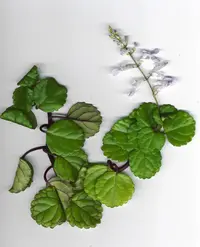
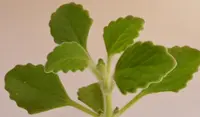
Swedish ivy, Plectranthus forsteri 'Marginatus', is a soft, trailing perennial often grown as an indoor hanging or shelf plant. It is valued for its rounded, scalloped leaves with creamy edges and a slightly glossy surface.

This plant does not come from Sweden but from warm regions, where it grows as a fast, spreading groundcover. In homes it forms cascading stems that can be easily trimmed and rooted.

Its vigorous growth, tolerance of some neglect, and quick response to pruning make it suitable for beginners learning how to care for Swedish Ivy. It prefers bright, indirect light, modestly moist soil, and good drainage to stay compact and healthy.

Main Plant Requirements

Care Difficulty

Easy Care

Light Preference

Partial Sun

Water Requirements

Moderate Water

Temperature Preference

Tropical / Frost Sensitive

Hardiness Zone

10–11

Soil Texture

Sandy, Loamy, Organic-rich

Soil pH

Acidic (5.5–6.5), Slightly acidic (6.5–7.0)

Soil Drainage

Moist but well-drained

Fertilization

Light (every 4–6 weeks)

Get Personalized Care Plan

Scan your plant to receive care tips personalized for your specific plant

Available on iOS and Android

How to Care for the Swedish Ivy

Plectranthus forsteri 'Marginatus' prefers bright, gentle light that protects its soft foliage from scorching.

  • Provide 3–5 hours of morning sun with bright, filtered light or light shade for the rest of the day; east or lightly shaded south exposure works well for Swedish Ivy indoor care.
  • Outdoors, grow in dappled shade or bright shade; avoid harsh midday and afternoon sun that can bleach leaves and cause crisp brown edges.
  • In winter, move containers closer to bright windows or reflective surfaces to compensate for shorter days, but still shield from intense low-angle sun through glass.

This plant prefers evenly moist but aerated soil that dries slightly between waterings.

  • Water when the top 2–4 cm of soil feels dry, then moisten thoroughly until excess drains out; do not leave the pot standing in collected runoff.
  • In spring and summer, expect to water more often as growth and evaporation increase, but always confirm dryness by touch rather than using a fixed schedule.
  • Reduce watering in fall and winter, watching for limp, wrinkling leaves as a sign of thirst and yellowing, mushy stems or sour smell as signs of overwatering and poor drainage.

This species grows best in mild, frost-free conditions with moderate warmth.

  • Aim for 65–80°F (18–27°C) for active growth; short spikes to 85°F (29°C) are tolerated if soil does not stay soggy and the plant has some shade.
  • Protect Plectranthus forsteri 'Marginatus' from temperatures below 40°F (4°C); foliage is damaged by light frost and plants may die near 32°F (0°C).
  • In cold climates, treat it as a warm-season outdoor plant, moving containers indoors before night temps drop below 45°F (7°C) or providing protection in a sheltered, frost-free spot.

This plant handles typical household humidity but benefits from slightly moist air in heated or air-conditioned homes.

  • Aim for 40–60% humidity to keep leaves firm and growth even.
  • Tolerates drier air but may show crisped leaf edges and slowed growth during very dry winter conditions.
  • If air is below 30%, group plants together or place the pot on a pebble tray with water, keeping the base of this Swedish Ivy above the waterline.

This species prefers a light, airy, fast-draining mix that dries moderately quickly between waterings.

  • Use a peat- or coir-based potting mix amended with 30–40% perlite or coarse pumice for drainage and aeration.
  • Add a small amount of fine bark or compost to provide organic matter without making the mix heavy or waterlogged.
  • Keep soil slightly acidic to neutral, around pH 6.0–7.0, which supports nutrient availability and root health in Plectranthus forsteri 'Marginatus'.
  • Avoid dense garden soil, high-clay mixes, or containers without fast drainage, as these conditions encourage root rot and stem base decline.

This trailing species is very suitable for containers and hanging baskets.

  • Choose a broad, shallow to medium-deep pot to accommodate fibrous, surface-leaning roots and spreading stems.
  • Select a stable, heavier container or hanging basket hardware to prevent tipping as the plant becomes lopsided with cascading growth.
  • Opt for terracotta or other porous materials if the mix stays wet for longer than 3–4 days, to increase evaporation and reduce root rot risk.

This plant responds well to light, consistent feeding during active growth, enhancing foliage density and vigor.

  • Use a balanced liquid fertilizer (for example 10-10-10 or 20-20-20) at 1/4–1/2 strength for caring for Swedish Ivy.
  • Feed every 3–4 weeks in spring and summer when growth is strongest.
  • Skip or reduce feeding to once every 6–8 weeks in fall and winter, especially indoors.
  • Avoid fertilizing dry soil; water first, then apply fertilizer to limit root burn.

Plectranthus forsteri 'Marginatus' benefits from modest, routine trimming to stay compact and leafy.

  • Pinch or trim stems in spring and summer to maintain a dense, trailing or mounded shape.
  • Remove dead, damaged, or overly woody shoots to encourage fresh growth.
  • Thin crowded stems to improve light penetration and air movement within the canopy.
  • Use clean, sharp scissors or hand pruners, making cuts just above a leaf node.

This species adapts well to containers and hanging baskets, but occasional repotting maintains healthy roots.

  • Check for roots circling the pot, emerging from drainage holes, or slowed growth as cues to repot.
  • Plan to repot every 1–2 years in spring, using a fresh, well-draining potting mix.
  • Choose a container 2–5 cm wider, and gently loosen circling roots to reduce transplant shock.
  • Water thoroughly after repotting, then keep in bright, indirect light for several days to recover.

New plants are most often produced from soft stem cuttings, which respond reliably under warm, bright conditions.

  • Take 7–10 cm non-flowering tip cuttings in late spring or summer, just below a node.
  • Remove lower leaves and place cuttings in moist, well-draining mix or water until roots reach 2–3 cm.
  • Provide bright, indirect light, 65–75°F temperatures, and consistently slightly moist media.
  • Transplant rooted cuttings into small pots and pinch tips to promote branching.

Cold sensitivity means this plant usually needs sheltered conditions in regions with frost or freezing temperatures.

  • Treat as a tender perennial; outdoor plants are damaged near 32°F and often die below this.
  • Move container plants indoors before first frost into bright, indirect light.
  • Reduce watering in winter, allowing the top layer of soil to dry slightly between waterings.
  • In mild climates, a light mulch around outdoor roots helps buffer short cool spells.

Care Tips

Pinch To Shape

Regularly pinch out the soft shoot tips every 2–3 weeks during active growth to keep the plant dense, prevent bare stems, and encourage more side branches for a fuller basket or pot.

Refresh Leggy Stems

If stems become woody and sparse, cut back the longest runners by 1/3–1/2 and replant a few of the healthiest tip cuttings back into the same pot to quickly rebuild a lush, even canopy.

Rotate Hanging Baskets

Turn the pot or basket 1/4 turn every 1–2 weeks so trailing stems receive light more evenly and do not grow heavily to one side, which helps maintain a symmetrical, balanced plant.

Use Clean Tools

Disinfect scissors or pruners with isopropyl alcohol before and after trimming to reduce the risk of transmitting fungal or bacterial problems between plants when caring for Swedish Ivy.

Check Under Leaves

Inspect the undersides of leaves and the inner tangle of trailing stems every 1–2 weeks for early signs of mealybugs or spider mites, so any pests can be treated before they spread through the whole plant.

Common Pests and Diseases

Mealybugs

This pest forms white, cottony clusters in leaf joints and on stems, often causing sticky honeydew and leaf yellowing.

Solution

Isolate the plant, then dab visible insects with cotton swabs dipped in 70% isopropyl alcohol and gently wipe affected areas; repeat weekly until no new pests appear and increase air movement and avoid excess nitrogen fertilizer that encourages soft, pest‑prone growth.

Aphids

These insects congregate on tender shoot tips and undersides of leaves, sucking sap and causing curling, misshapen new growth and sticky residue.

Solution

Rinse stems and foliage under a gentle but thorough stream of water, then treat remaining colonies with insecticidal soap or a ready-to-use neem oil spray applied to all leaf surfaces every 5–7 days until populations collapse.

Spider mites

This pest thrives in warm, dry indoor air and causes fine stippling, dull or bronzed leaves, and delicate webbing between leaves and stems.

Solution

Shower the plant to wash off mites, increase humidity around the plant, then apply insecticidal soap or horticultural oil to both sides of the leaves, repeating at 5–7 day intervals while monitoring closely with a hand lens.

Botrytis blight

This disease appears as soft, water-soaked spots on leaves and stems that quickly develop gray, fuzzy mold, especially in cool, humid, poorly ventilated conditions.

Solution

Remove and discard all affected foliage, improve airflow, avoid wetting leaves when watering, and allow the potting mix surface to dry slightly between waterings; in persistent cases, use a labeled copper or bio-fungicide spray according to Swedish Ivy care instructions.

Edema

Symptoms include small, corky, blister-like spots on the underside of leaves caused by roots taking up water faster than the plant can use it in cool, low-light conditions.

Solution

Reduce watering frequency so the top 2–3 cm of potting mix dries before watering again, provide brighter indirect light, and maintain stable, moderate temperatures to prevent further cell damage in the leaves.

Interesting Facts

Variegation stability

The creamy-white leaf margins of this cultivar are genetically stable chimeric variegation, so it usually maintains its pattern reliably through cuttings rather than reverting to solid green foliage.

Trailing growth habit

This plant has a naturally trailing, semi-succulent stem structure that allows it to cascade over pot edges or hanging baskets, a growth form selected specifically from Plectranthus forsteri for ornamental use.

Aromatic foliage oils

Its softly hairy leaves contain aromatic essential oils typical of the mint family (Lamiaceae), which release a mild scent when rubbed or brushed and may help deter some small herbivores in its native range.

FAQs about Swedish Ivy

Yellowing foliage often comes from overwatering, poor drainage, or old leaves aging out. Check that the pot drains freely, let the top of the mix dry slightly between waterings, and remove shaded, older leaves as they fade.

Grow Healthy Plants with Botan Care

Keep your plants happy and healthy with plant identification, disease detection, and easy care guidance.

Botan plant care app — identify plants on mobile

Explore More Plants