What Sets Conifers Apart
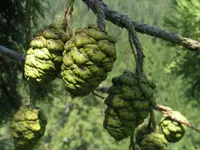
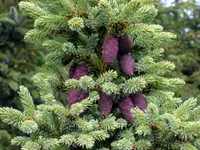
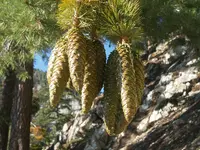
Conifers are gymnosperms — plants whose seeds develop exposed on cone scales. Flowering plants, by contrast, enclose their seeds inside fruit. This reproductive difference defines the group.
615 species are classified across 8 families. Though it’s a small group compared to the 300,000+ flowering plants, they still dominate vast boreal forests and mountain ecosystems.
Conifer Families and Their Range
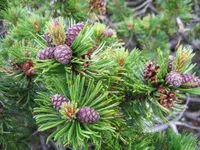
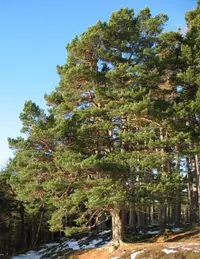
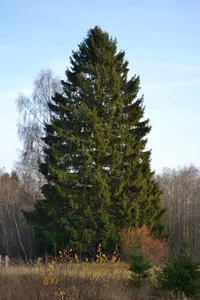
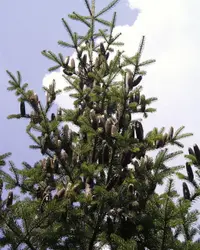
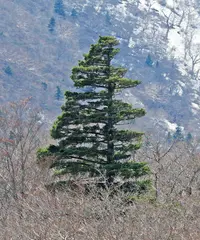
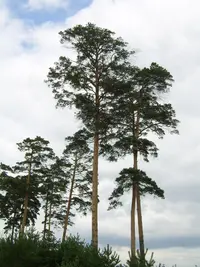
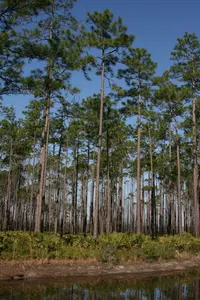
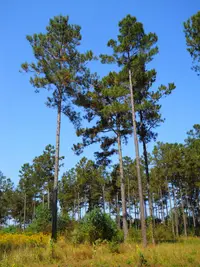
Pinaceae is the largest family, with around 240 species distributed almost entirely across the Northern Hemisphere. It includes pines, spruces, firs, and larches that, like Scots pine, often become the backbone of boreal forests.
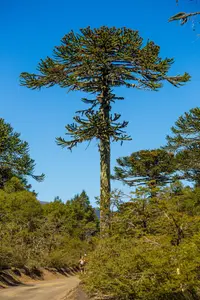
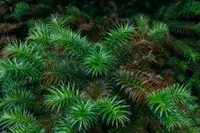
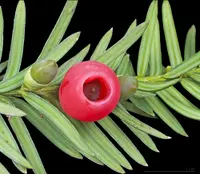
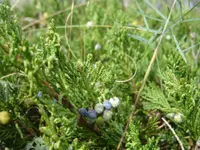
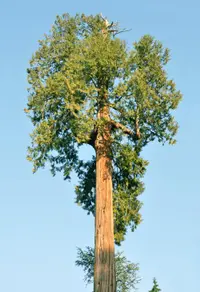
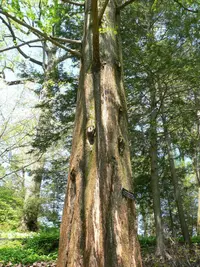
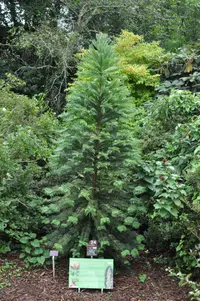
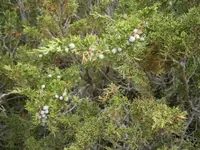
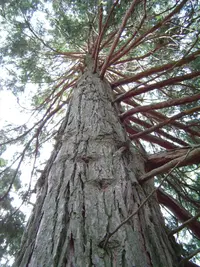
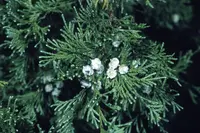
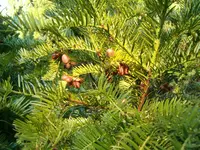
Cupressaceae (around 140 species) spans both hemispheres and includes junipers, cypresses, and redwoods. Araucariaceae (around 41 species) is mostly in the Southern Hemisphere and includes plants like Monkey Puzzle. Taxaceae, with 29 species, is the smallest of the four and includes trees like the English yew.
Are All The Plants in the Category Evergreen?
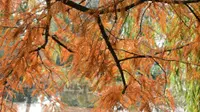
Most plants in the group do keep their needles year-round. However, a small number shed needles each autumn, making them deciduous despite bearing cones.
This distinction splits the conifers list into two clear types:
Note that deciduous species don't belong to a single family. For example, larch is in Pinaceae, while dawn redwood and bald cypress are in Cupressaceae.