Japanese White Pine Care (Pinus parviflora)

Also known as: five-needle pine, Japanese five needle pine, bonsai tree
Japanese White Pine

About Japanese White Pine

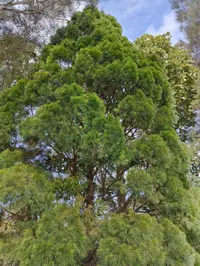
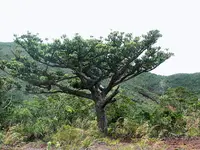
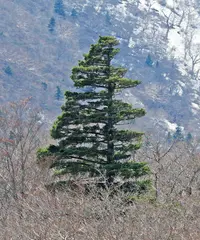
Japanese white pine, Pinus parviflora, is an evergreen conifer valued for its refined, compact form and soft blue‑green needles. It typically forms a small to medium tree with a graceful, irregular silhouette.

This species is native to mountainous regions of Japan and parts of Korea, where it grows in cool, well-drained sites. Its slow to moderate growth and strong tolerance of pruning make it popular for bonsai and smaller gardens.

Gardeners who want to care for Japanese White Pine should provide ample light, moderate moisture, and sharply drained, slightly acidic soil. Once established, it is relatively resilient but dislikes waterlogged conditions and extreme heat stress.

Main Plant Requirements

Care Difficulty

Moderate Care

Light Preference

Full Sun

Water Requirements

Moderate Water

Temperature Preference

Cold Hardy

Hardiness Zone

4–7

Soil Texture

Sandy, Loamy, Rocky

Soil pH

Strongly acidic (4.5–5.5), Acidic (5.5–6.5)

Soil Drainage

Well-drained

Fertilization

Minimal (feed rarely)

Get Personalized Care Plan

Scan your plant to receive care tips personalized for your specific plant

Available on iOS and Android

How to Care for the Japanese White Pine

Pinus parviflora performs best in bright outdoor light with several hours of direct sun each day.

  • Provide 6–8 hours of direct sun daily, ideally with morning sun and light afternoon shade in hotter regions to reduce needle scorch.
  • Tolerates light partial shade, especially in the afternoon, but dense shade leads to sparse growth and reduced needle color over time.
  • In summer, protect young Japanese White Pine from intense late-afternoon sun; in winter, full sun helps maintain compact growth and stronger buds.

Pinus parviflora prefers evenly moist but never saturated soil, especially while establishing.

  • Outdoors in the ground, water deeply when the top 5–8 cm of soil feels dry, then allow excess to drain completely.
  • Reduce watering frequency in fall and winter, focusing on occasional deep soakings during dry, frost-free periods rather than light, frequent watering.
  • Watch for yellowing, soft needles and persistent wet soil as signs of overwatering, and for brittle, browning needle tips as a sign the root zone is too dry.

This species is a cold-hardy pine that prefers cool to moderate temperatures with seasonal change.

  • Optimal growing temperatures are around 55–75°F (13–24°C), with good tolerance of typical outdoor fluctuations in temperate climates.
  • Mature trees handle winter lows near 0°F (−18°C) when planted in the ground, but young plants benefit from wind protection in severe cold.
  • In summer, it tolerates brief heat up to about 90°F (32°C) if soil is not waterlogged and roots are mulched to moderate temperature swings.

Pinus parviflora tolerates a wide humidity range and usually does not need special humidity management outdoors.

Pinus parviflora prefers sharply drained, mineral soils that stay aerated around the roots.

  • Use sandy or sandy-loam soil with 20–40% gritty material such as coarse sand, pumice, or small gravel to prevent waterlogging.
  • Aim for slightly acidic conditions around pH 5.5–6.5; avoid strongly alkaline mixes that can limit nutrient uptake.
  • For containers, combine pine bark fines, akadama or similar clay granules, and coarse grit to create a fast-draining, structured mix.
  • Avoid heavy clay, peat-heavy, or compacted substrates that hold water for long periods, as these promote root rot and weak growth.

This species is suitable for long-term container growing, especially as bonsai or patio specimens.

  • Choose a wide, heavy container to counterbalance the tree’s eventual top weight and reduce tipping in strong wind.
  • Select a pot depth that allows roots to spread horizontally rather than very deep, which helps maintain stability and controlled growth.
  • Use containers with large, unobstructed drainage holes and slightly elevated feet so excess water clears quickly after heavy rain or irrigation.

Pinus parviflora is modest in nutrient needs but responds well to light, balanced feeding in poor soils or containers.

  • Use a balanced slow-release fertilizer (around 10-10-10) or compost in early spring, lightly worked into the root zone.
  • Feed once in early spring and again in midsummer during the growing season for Japanese White Pine in lean soil.
  • Avoid fertilizing in late fall and winter to prevent soft, cold-sensitive growth and to respect natural dormancy.
  • Apply at 1/2 the labeled strength for trees, and water thoroughly afterward to reduce root burn risk.

Pruning Pinus parviflora focuses on maintaining structure, health, and desired size rather than heavy reshaping.

  • Schedule main pruning in late winter to early spring before active growth starts, with light touch-ups in early summer.
  • Remove dead, diseased, crossing, or crowded branches first, cutting back to the branch collar with clean bypass pruners or a sharp saw.
  • Use selective thinning cuts instead of heading cuts to preserve natural form and reduce overly dense interior growth.
  • For shape refinement or bonsai, pinch or shorten new candles in late spring rather than cutting hardened older wood.

Transplanting this pine requires planning and gentle handling to protect its relatively fine, fibrous roots.

  • Look for slowed growth, roots circling the pot, or becoming root-bound through drainage holes as cues for moving container plants.
  • Carry out transplanting or potting up in early spring or early fall, avoiding heat waves or hard freezes for Pinus parviflora care instructions.
  • Expect container-grown trees to need a size upgrade about every 3–5 years, using a well-drained, gritty mix or sandy loam soil.
  • Water deeply before and after transplanting, keep the original soil ball intact, and shade from intense sun for 1–2 weeks to reduce shock.

Reproduction of Pinus parviflora is possible but slow and technically demanding for home growers.

  • Use seeds collected from mature cones; clean and cold-stratify them in moist medium at 34–41°F for 8–12 weeks.
  • Sow stratified seeds in spring in a well-drained, sandy mix, keeping it just moist and in bright, indirect light.
  • Grafting named cultivars onto vigorous rootstocks is the standard horticultural method and gives more reliable results than seedlings.
  • Semi-hardwood cuttings under controlled mist and bottom heat can root but show low success rates outside professional setups.

This species is generally cold hardy, so outdoor plants in suitable zones need only modest winter attention.

  • Tolerates substantial frost when established, typically hardy to about 0°F or lower depending on provenance and site.
  • Apply a 5–8 cm layer of mulch over the root zone in late fall, keeping it a few cm away from the trunk to avoid rot.
  • For container plants, move pots to a sheltered, unheated but frost-moderated area or insulate containers to prevent root freeze-thaw damage.

Care Tips

Candle pinching

In late spring, pinch back new soft candles by 30–50% with your fingers to keep the tree compact, balance vigor between branches, and encourage denser foliage pads.

Selective bud thinning

On vigorous shoots, remove extra buds so only 1–2 remain at the tip, which reduces overcrowding, improves light and air penetration, and produces stronger, better-spaced branches.

Wind and snow management

In exposed sites, install a low, permeable windbreak and gently tie main branches with soft ties before heavy snow to reduce desiccation, twisting, and breakage.

Root zone protection

Maintain a 5–8 cm layer of pine bark or pine needle mulch over the root zone, keeping it a few cm away from the trunk, to stabilize soil temperature and protect fine feeder roots.

Targeted needle cleanup

Each autumn, remove dead inner needles and fallen debris from branch crotches and the soil surface to reduce fungal disease pressure and pest hiding places when caring for Japanese White Pine.

Common Pests and Diseases

Pine needle scale

This pest forms tiny white, oyster-shell-like bumps on needles, causing yellowing, reduced vigor, and premature needle drop.

Solution

Prune out and discard heavily infested shoots, then wash foliage with a strong water spray to knock off crawlers; if needed, use a targeted horticultural oil or insecticidal soap in late spring when crawlers are active, and avoid stressing the tree with drought or excess fertilizer.

Pine sawfly

These insects feed in groups on older needles, stripping branches and giving the tree a thin, ragged appearance.

Solution

Inspect shoots in spring and early summer and hand-pick or prune off clusters of larvae where practical; for larger trees, use a strong water jet or a biological control product containing Bacillus thuringiensis var. kurstaki (Bt-k) labeled for sawflies, and encourage natural predators by avoiding broad-spectrum insecticides.

Pine wilt disease

This disease causes rapid browning and death of needles, often killing trees in a single season, and is associated with pinewood nematodes spread by longhorn beetles.

Solution

Promptly remove and destroy severely affected trees or branches to limit beetle and nematode spread; avoid wounding trunks, keep the tree well watered during drought, and in high-risk areas consult a local arborist about preventive trunk injections and regional guidelines for Pinus parviflora care instructions.

Needle cast

This disease leads to browning and shedding of older needles from the inner parts of branches, giving the tree a thin or tufted look at the tips.

Solution

Rake and dispose of fallen needles, improve spacing and airflow around the tree, and avoid overhead watering; where the disease is persistent, apply a labeled fungicide in spring as new candles expand, repeating according to product directions and local extension recommendations.

Pine needle rust

This disease produces yellow to orange spots or blisters on needles and can cause premature needle drop, particularly in humid conditions.

Solution

Remove and discard affected needles and nearby alternate host plants if identified, improve air circulation, and avoid prolonged leaf wetness; in areas with recurring rust problems, apply a preventive fungicide in early spring before symptoms appear, following local timing guidance.

Interesting Facts

Naturally twisted needles

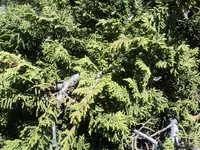
The needles often appear slightly twisted and are grouped in bundles of 5, giving the foliage a fine, tufted texture that distinguishes it from many other pines used in landscapes and bonsai.

Sea-coast specialist

In its native habitats of Japan, this species commonly grows on exposed coastal slopes and islands, showing strong tolerance to wind and salt spray that many other pines cannot withstand.

Slow, compact growth

The species has a naturally slow growth rate and a relatively compact, irregular crown, which is why it became a classic subject for bonsai and for gardens where space and scale must be controlled.

Botan icon

Did you know?

Centuries-old specimens of Pinus parviflora are preserved and carefully maintained at historic Japanese temple and shrine gardens, where they are valued as living cultural artifacts that record long-term horticultural traditions and pruning techniques.

FAQs about Japanese White Pine

This species grows slowly, usually 7–15 cm per year in gardens, sometimes up to 20 cm in ideal conditions. Growth is faster in youth, then gradually slows as the tree matures and crown structure develops.

Grow Healthy Plants with Botan Care

Keep your plants happy and healthy with plant identification, disease detection, and easy care guidance.

Botan plant care app — identify plants on mobile

Explore More Plants