Windfirm Training
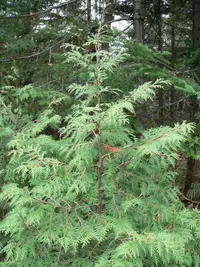
In the first 3–5 years, lightly prune or stake only the leader that leans into prevailing winds so the tree develops a strong, straight central trunk without creating narrow, weak crotches.


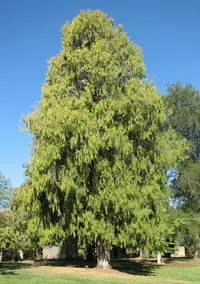
Serbian spruce, Picea omorika, is an evergreen conifer known for its narrow, upright form and graceful, slightly drooping branches. It stays relatively slender, which makes it suitable for smaller gardens and structured landscapes.
The short, dark green needles have silvery undersides, giving the tree a soft, two-tone appearance. In its native habitat, it occurs in a limited area of the Balkans, mainly on rocky, mountainous slopes.
This species is valued for its adaptability and generally moderate growth rate, which keeps maintenance manageable. It prefers cool climates, consistent moisture, and well-drained, slightly acidic soil, which influences how to care for Serbian Spruce.

Care Difficulty
Moderate Care

Light Preference
Full Sun

Water Requirements
Moderate Water

Temperature Preference
Cold Hardy

Hardiness Zone
4–7

Soil Texture
Sandy, Loamy, Clay

Soil pH
Acidic (5.5–6.5), Slightly acidic (6.5–7.0)

Soil Drainage
Moist but well-drained

Fertilization
Minimal (feed rarely)
Scan your plant to receive care tips personalized for your specific plant
Available on iOS and Android
This conifer prefers bright conditions with some protection from harsh afternoon sun.
Moist, well-drained soil supports healthy root development in this species.
This cold-hardy conifer thrives in cool to moderate climates with distinct seasons.
This species handles a wide humidity range but prefers slightly moist, cool air.
Picea omorika prefers deep, cool, well-drained mineral soils with moderate organic matter.
This species can be grown in containers for several years, especially in cooler climates.
This conifer grows steadily with modest feeding, so focus on light, consistent nutrition during the growing season.
Picea omorika needs minimal pruning and is usually maintained with light, corrective work only.
This species is usually grown in the ground, so focus on careful transplanting rather than frequent repotting.
Picea omorika is commonly propagated in nurseries but can be slow and requires patience and controlled conditions.
Serbian Spruce is cold hardy and usually needs little special winter care once established in the landscape.

Plant Health Check
Not sure what's wrong with your plant? Check your plant's health inside the app.
This species survives in the wild mainly in a small area along the Drina River valley in Serbia and Bosnia and Herzegovina, where it is considered a glacial relict that persisted after the last Ice Age while many related spruces disappeared from the region.
Its needles are dark green on the upper side but show two bright whitish bands of stomata underneath, giving the whole crown a noticeable silvery sheen when wind or light catches the branches.
Mature trees keep a very slender, spire-like profile with drooping branch tips, an unusual combination among spruces that makes it highly valued for planting in tight urban or garden spaces.

This species tolerates urban air pollution comparatively well for a conifer, which led to extensive use in European city plantings during the 19th and 20th centuries as a resilient ornamental tree.
Growth is slow to moderate. In typical garden conditions, expect about 15–30 cm of new height per year once established, sometimes less in harsher climates. Young trees often grow more slowly while roots develop.
Keep your plants happy and healthy with plant identification, disease detection, and easy care guidance.