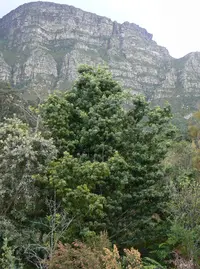
Establish dominant leader
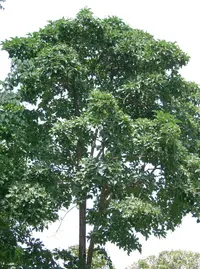
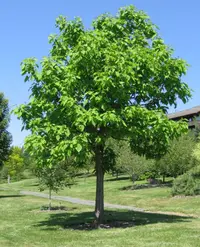
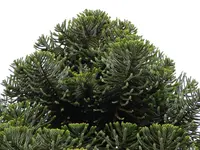
During the first 3–5 years, select one strong, upright central shoot and remove competing leaders in late winter to build a stable framework and reduce the risk of storm damage later.

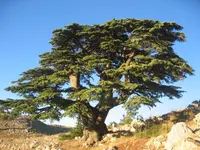
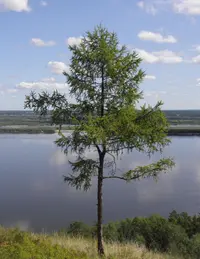
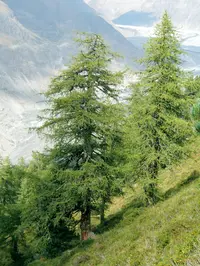
Lebanon cedar, Cedrus libani, is a long-lived coniferous tree known for its strong central trunk, wide spreading branches, and dense, evergreen needles. It develops a broad, flat-topped crown with age, giving it a distinctive architectural silhouette in large landscapes and parks.
This species is native to mountainous regions of the Eastern Mediterranean, especially Lebanon and surrounding areas, where it grows on rocky slopes and well-drained soils. It is generally hardy and wind tolerant but needs space, sun, and good drainage, which influences how to care for Lebanon Cedar in cultivation.

Care Difficulty
Moderate Care

Light Preference
Full Sun

Water Requirements
Low Water

Temperature Preference
Cold Hardy

Hardiness Zone
5–7

Soil Texture
Sandy, Loamy, Rocky

Soil pH
Slightly acidic (6.5–7.0), Neutral (7.0)

Soil Drainage
Well-drained

Fertilization
Minimal (feed rarely)
Scan your plant to receive care tips personalized for your specific plant
Available on iOS and Android
This conifer prefers full sun and strong light from an early age for dense, balanced growth.
This species is drought-tolerant once established and prefers infrequent, deep watering over light, frequent applications.
This hardy conifer thrives in temperate climates with cool winters and moderate to warm summers.
This species is adapted to dry, upland climates and usually does not need special humidity management indoors or outdoors.
Cedrus libani grows best in deep, well-aerated mineral soils that drain freely after rain or watering.
This species can be grown in containers only for early life stages or dwarf forms, since mature trees need open ground.
This conifer is adapted to poor soils, so Lebanon Cedar needs only modest, cautious feeding in cultivation.
Cedrus libani benefits from minimal, selective pruning focused on safety and structure.
This species is usually grown in the ground, so management focuses on careful transplanting of young trees rather than frequent repotting.
Cedrus libani is typically propagated from seed, with vegetative methods used mainly in specialist nurseries.
This cedar is cold hardy in much of its range and typically needs limited winter care once established.

Plant Health Check
Not sure what's wrong with your plant? Check your plant's health inside the app.
This species is a characteristic climax tree of the Eastern Mediterranean mountains, forming long-lived high-altitude forests on limestone ridges in Lebanon, Syria, and Turkey.
Mature trees tolerate snowy winters and dry, hot summers, thanks to deep root systems and tough, resin-rich wood that reduces water loss and damage.
Populations in Lebanon, Turkey, and Syria show genetic differentiation, reflecting long-term isolation in separate mountain refuges during past climatic changes.
Some individual trees of Cedrus libani in Lebanon and Turkey are estimated, based on ring counts and historical records, to be over 1,000 years old, making them living witnesses of major human civilizations in the Eastern Mediterranean.
Growth is slow to moderate. In suitable conditions, this tree often adds about 20–30 cm in height per year when young, slowing as it matures. Poor drainage, compacted soil, heat stress, or drought can reduce growth further.
Keep your plants happy and healthy with plant identification, disease detection, and easy care guidance.