Chinese Fringetree Care (Chionanthus retusus)

Chinese Fringetree

About Chinese Fringetree

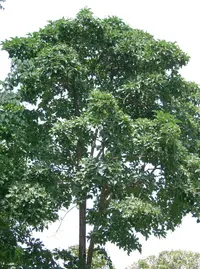
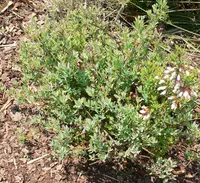
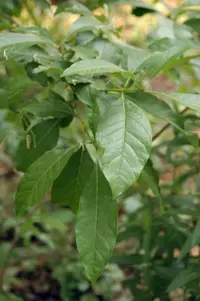
Chinese fringetree, Chionanthus retusus, is a small deciduous tree valued for its showy, lightly fragrant white flowers that appear in late spring. The blossoms form soft, fringe-like clusters that contrast with its neat, oval green leaves and attractive branching structure.

This species is native to China, Korea, and Japan, and is widely used in temperate gardens and urban landscapes as a specimen or small street tree. It grows at a moderate rate and generally stays compact, which makes placement and long-term management easier.

Chionanthus retusus is considered relatively low-maintenance once established, provided it has well-drained soil and consistent moisture. With the right site and basic attention, it is straightforward to care for Chinese Fringetree in many home gardens.


Main Plant Requirements

Care Difficulty

Easy Care

Light Preference

Full Sun

Water Requirements

Moderate Water

Temperature Preference

Cold Hardy

Hardiness Zone

5–9

Soil Texture

Loamy, Clay, Organic-rich

Soil pH

Acidic (5.5–6.5), Slightly acidic (6.5–7.0)

Soil Drainage

Moist but well-drained

Fertilization

Minimal (feed rarely)

Get Personalized Care Plan

Scan your plant to receive care tips personalized for your specific plant

Available on iOS and Android

How to Care for the Chinese Fringetree

This deciduous shrub or small tree prefers bright outdoor conditions with some daily direct sun.

  • Provide 4–6 hours of direct morning sun with light afternoon shade; full sun is best in cooler climates and partial shade is safer in hotter regions.
  • Tolerates light to medium shade, but flowering of Chinese Fringetree decreases and growth becomes sparse if it receives less than about 3–4 hours of direct or strong filtered light.
  • In the first 1–2 years, protect young plants from intense summer afternoon sun to reduce leaf scorch, especially during heat waves or drought.

This species prefers consistently moist but not saturated soil, especially during establishment.

  • Allow the top 3–5 cm of soil to dry before deep watering, aiming for slow soaking that reaches the full root zone rather than frequent shallow watering.
  • Increase watering during hot, dry periods and reduce it in cool or rainy seasons; mature Chionanthus retusus becomes moderately drought-tolerant once well established.
  • Watch for stress signs: yellowing, soft leaves or persistent wet soil suggest overwatering, while dull, curling leaves and dry, cracked soil indicate underwatering or poor water penetration.

This hardy tree tolerates a wide temperature range but performs best in moderate climates.

  • Active growth is strongest around 65–80°F (18–27°C), with flowering and leaf development most reliable under these mild spring and early-summer conditions.
  • Dormant, established plants usually tolerate lows near -10°F (-23°C) when planted in the ground, but late spring frosts can still damage new shoots and flower buds.
  • In hot regions with summer highs above 90°F (32°C), provide soil mulch and some afternoon shade to limit heat stress and reduce the risk of leaf scorch or premature drop.

This species is adapted to outdoor conditions and does not have strict humidity requirements in temperate climates.

Chionanthus retusus grows best in deep, loose, moisture-retentive but well-drained soil.

  • Use a loamy structure with a mix of garden soil, compost, and a smaller portion of coarse sand for stability and drainage.
  • Aim for slightly acidic to neutral pH, roughly 6.0–7.0, avoiding strongly alkaline or saline sites.
  • Improve drainage and aeration on heavier soils by incorporating coarse sand or fine gravel through the top 30–40 cm.
  • Avoid compacted, waterlogged, or very shallow soils where roots cannot spread and oxygen levels drop.

This species can be grown in containers when young or kept small, but long-term growth is more challenging than in the ground.

  • Choose a heavy, wide container to prevent tipping as the canopy becomes broader and wind catch increases.
  • Select a pot at least 45–60 cm deep to accommodate the developing root system without severe restriction.
  • Use a container mix that combines loam-based compost with coarse sand or fine bark to keep drainage rapid yet moisture-retentive.

This tree grows well in average soil and only needs modest feeding to support healthy flowering and foliage.

  • Apply a balanced slow-release fertilizer (around 10-10-10) once in early spring as growth begins.
  • Use light rates; for container plants, apply at half the label strength to avoid salt buildup in the root zone.
  • Supplement with a thin layer of compost around the drip line to improve soil structure and microbial activity.
  • Avoid fertilizing Chinese Fringetree from late summer through winter to prevent soft, frost-tender growth.

Pruning Chionanthus retusus is usually light, aimed at maintaining structure and health rather than strict shaping.

  • Schedule pruning for late winter to very early spring, before new growth starts, or just after flowering if shaping is needed.
  • Remove dead, diseased, crossing, or storm-damaged branches first, cutting back to a healthy outward-facing bud or branch collar.
  • Thin crowded interior shoots slightly to improve air flow and light penetration without over-opening the canopy.
  • Use clean, sharp bypass pruners or loppers, making smooth cuts to reduce the risk of decay and pest entry.

This species is most often grown in the ground; container plants and young trees tolerate infrequent but careful transplanting.

  • Plan transplanting or any major move for early spring or fall, when temperatures are mild and soil moisture is stable.
  • Look for roots circling the pot drainage holes, soil drying very fast, or slowed growth as signs a container plant needs more space.
  • Transplant field-grown or potted trees every few years at most, keeping as much of the original root ball and soil as possible.
  • Water the root zone deeply before and after moving, then mulch 5–8 cm to limit moisture loss and reduce transplant stress.

Propagation of this tree is possible but slower and more technical than many common shrubs.

  • Use semi-ripe cuttings in mid to late summer, placing 8–12 cm pieces in a coarse, well-drained medium under high humidity.
  • Apply a rooting hormone to the cut base and keep cuttings at 70–75°F with bright, indirect light to encourage root formation.
  • Sow seeds outdoors in fall or in containers that can stay outside, as they require a natural cold stratification period to break dormancy.
  • Maintain even moisture without waterlogging; expect germination or rooting to take several months before seedlings can be potted on.

Established trees are cold hardy in much of the US and usually need only minimal winter care.

  • Mature plants tolerate typical winter frosts in USDA zones suited to growing Chinese Fringetree, once fully established.
  • Spread 5–8 cm of organic mulch around the root zone, keeping it a few cm from the trunk to reduce freeze–thaw stress.
  • For young or container-grown plants, wrap the pot or use an insulating sleeve and place in a sheltered spot out of harsh wind.
  • In colder regions, move containers into an unheated garage or cold frame where temperatures stay just above 20–25°F.

Care Tips

Establish strong framework

In the first 3–5 years, selectively keep 3–5 well-spaced main branches and remove steep, crossing, or rubbing shoots in late winter to build a stable framework that carries flowers and resists storm damage as the tree matures.

Protect from lawn stress

Keep turfgrass and string trimmers at least 30–45 cm away from the trunk with a mulch ring, since repeated mechanical injury and root competition from lawn can significantly reduce vigor and flowering.

Monitor for scale

Inspect young twigs and the undersides of leaves 2–3 times per season for small, bump-like scale insects, and if found early, remove lightly infested shoots by pruning or wipe colonies with a cloth dipped in dilute insecticidal soap before populations build.

Mulch for root cooling

Maintain a 5–8 cm layer of coarse organic mulch over the root zone, pulled back a few cm from the trunk, to keep roots cooler in summer, reduce moisture stress, and improve flowering consistency when growing Chinese Fringetree in hot regions.

Manage transplant shock

For the first 1–2 years after planting, avoid heavy pruning or fertilizing, and instead focus on consistent soil moisture and a broad mulch ring so the tree can prioritize root establishment and adapt to the site more quickly.

Common Pests and Diseases

Emerald ash borer

This pest is a metallic green beetle whose larvae tunnel under the bark, disrupting water and nutrient flow and causing canopy dieback and eventual branch death.

Solution

Remove and destroy heavily infested branches to slow spread, keep trees healthy with proper watering and mulching, and in regions with active infestations consult a certified arborist about trunk-injected systemic insecticides labeled for emerald ash borer as part of broader Chionanthus retusus care instructions.

Scale insects

These insects attach to twigs and leaves as small bumps, sucking sap and causing yellowing foliage, reduced vigor, and honeydew deposits that can lead to sooty mold.

Solution

Prune out heavily infested twigs, then treat remaining colonies with repeated applications of horticultural oil or insecticidal soap, ensuring thorough coverage of branch crotches and the undersides of leaves.

Leaf spot

This disease causes tan to dark brown spots that may coalesce on leaves, sometimes leading to premature leaf drop in wet or humid conditions.

Solution

Rake and remove fallen leaves to reduce inoculum, water at soil level instead of overhead, improve airflow through light pruning, and in severe, recurring cases use a labeled ornamental tree fungicide applied at bud break and repeated as directed.

Powdery mildew

This disease appears as a white, powdery coating on leaves and young shoots, which can cause distorted growth and reduced photosynthesis in shaded, humid conditions.

Solution

Increase sun exposure where possible, avoid overhead watering, prune to open the canopy, and if needed apply a sulfur or potassium bicarbonate-based fungicide early in the season when first signs appear.

Spider mites

These pests are tiny arachnids that feed on leaf undersides, causing fine stippling, dull foliage, and light webbing during hot, dry weather.

Solution

Spray foliage thoroughly with a strong stream of water to knock mites off, maintain regular irrigation to reduce plant stress, and when populations remain high use horticultural oil or insecticidal soap directed to the undersides of leaves at 7–10 day intervals.

Interesting Facts

Fringed petal structure

The flowers have four long, narrow petals that twist slightly, creating a fringed, lace-like appearance that is more pronounced and showier than in most other fringe tree species.

Dioecious flowering habit

This species is usually dioecious, meaning individual trees are either male or female, and female trees bear the decorative blue-black drupes only if a compatible male is nearby for pollination.

High urban tolerance

Compared with many ornamental trees, it shows good tolerance to air pollution and compacted urban soils, which is why it is increasingly planted as a small street and courtyard tree in East Asia and North America.

Botan icon

Did you know?

In traditional East Asian garden design, this species is often placed where its white spring bloom contrasts with dark roof tiles or evergreen backdrops, creating a deliberate visual effect of drifting white mist when viewed from a distance.

FAQs about Chinese Fringetree

Poor flowering is often linked to too little light, excess nitrogen fertilizer, heavy pruning at the wrong time, or a young age. This species typically blooms best in full outdoor conditions once well established and not overfed.

Grow Healthy Plants with Botan Care

Keep your plants happy and healthy with plant identification, disease detection, and easy care guidance.

Botan plant care app — identify plants on mobile

Explore More Plants