pearlberry Care (Vallesia glabra)

Also known as: tearshrub
pearlberry

About pearlberry

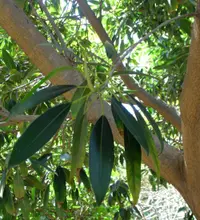
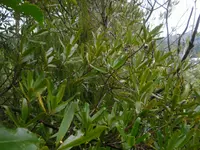
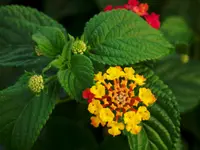
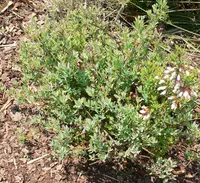
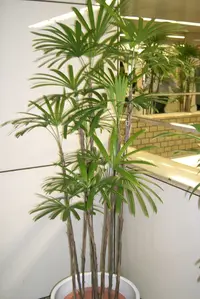
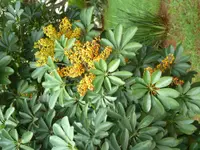
Pearlberry, Vallesia glabra, is an evergreen shrub or small tree valued for its glossy leaves, white tubular flowers, and small rounded fruit. It has a neat, bushy growth habit that suits both outdoor landscapes in warm climates and protected patio or balcony containers.

This species is native to tropical and subtropical regions of the Americas, where it grows in scrub, coastal, and woodland habitats. Its tolerance of heat, seasonal dryness, and moderate neglect makes it relatively straightforward to care for pearlberry.

In cultivation it generally prefers bright light with some protection from harsh sun, regular but not excessive moisture, and well-drained soil.

Main Plant Requirements

Care Difficulty

Moderate Care

Light Preference

Partial Shade

Water Requirements

Moderate Water

Temperature Preference

Tropical / Frost Sensitive

Hardiness Zone

10–11

Soil Texture

Sandy, Loamy, Organic-rich

Soil pH

Slightly acidic (6.5–7.0), Neutral (7.0)

Soil Drainage

Moist but well-drained

Fertilization

Minimal (feed rarely)

Get Personalized Care Plan

Scan your plant to receive care tips personalized for your specific plant

Available on iOS and Android

How to Care for the pearlberry

Vallesia glabra prefers bright, filtered light similar to its native subtropical understory habitat.

  • Provide 3–6 hours of bright, indirect light daily, such as dappled shade under taller shrubs or trees, with only brief early-morning direct sun.
  • Protect from strong midday and afternoon sun, which can scorch leaves, cause bleaching, and dry the soil too quickly, especially in hot climates.
  • Allow more light in cooler months to maintain flowering on pearlberry, but in summer shift to deeper partial shade or use shade cloth (30–50%) if needed.

Watering should keep the root zone evenly moist but never soggy to support healthy Vallesia glabra growth.

  • Irrigate when the top 3–5 cm of soil feel dry, using a slow, deep soak that moistens the entire root area, then let excess drain away fully.
  • In spring and summer, expect to water more often during hot, dry spells; in fall and winter, extend intervals as growth slows and evaporation decreases.
  • Watch for yellowing, soft leaves and a sour smell as signs of overwatering, and for limp, curling leaves and very light, shrinking soil as signs of underwatering; use fast-draining, organic-rich soil.

This species thrives in warm, frost-free conditions typical of subtropical landscapes.

  • Aim for consistent growing temperatures of 65–80°F (18–27°C), where the plant maintains steady foliage growth and flowering.
  • Avoid exposure below 40°F (4°C); light frost can damage leaves, and hard frost near 32°F (0°C) may kill young or unprotected plants.
  • In hot regions, Vallesia glabra tolerates short periods of 90–95°F (32–35°C) if soil moisture is stable and the plant receives partial shade during peak afternoon heat.

This species handles typical indoor humidity but grows best with slightly raised moisture in the air.

  • Aim for 40–60% humidity to keep foliage plump and minimize tip browning on pearlberry.
  • Brown, crisp leaf edges and slow new growth indicate the air is too dry and humidity should be increased.
  • Use a pebble tray or group plants together instead of frequent misting, which adds little lasting humidity.

Vallesia glabra prefers a light, well-drained mix that still retains moderate moisture.

  • Use a loose, loamy mix made from 2 parts all-purpose potting mix, 1 part coarse sand, and 1 part perlite or pumice.
  • Ensure rapid drainage so water exits the pot within seconds, preventing oxygen-poor, waterlogged conditions around the roots.
  • Keep pH slightly acidic to neutral (6.0–7.0), avoiding highly alkaline mixes that can limit nutrient uptake.
  • Avoid heavy clay-based or peat-only substrates that compact easily; add perlite or fine bark to increase aeration and root penetration.

This shrub adapts well to container growing when root space and drainage are managed carefully.

  • Choose a deep, heavy container that resists tipping as the woody framework becomes taller and more top-heavy.
  • Select a pot material such as unglazed terracotta if extra evaporation is needed in hot climates to prevent prolonged sogginess.
  • Raise the container slightly on pot feet so excess water can exit freely and not pool under the base, which can keep roots too wet.

This subtropical shrub has modest nutrient needs but responds well to light, consistent feeding during active growth when grown as pearlberry indoors or in containers.

  • Use a balanced, water-soluble fertilizer (around 10-10-10 or 20-20-20) diluted to 1/4–1/2 strength.
  • Feed every 4–6 weeks in spring and summer for container plants; skip feeding for in-ground plants in fertile soil.
  • Reduce or stop fertilization in fall and winter when growth slows.
  • Avoid heavy applications of compost or strong fertilizers that can cause salt buildup in pots.

Vallesia glabra benefits from light structural pruning to maintain a compact, well-branched form and remove weak growth.

  • Carry out main pruning in late winter to early spring before vigorous new growth begins.
  • Remove dead, diseased, crossing, or crowded branches with clean, sharp hand pruners.
  • Shorten overly long shoots to shape the canopy and encourage denser branching and better flowering.
  • Disinfect blades between cuts when removing diseased wood to limit pathogen spread.

This species is more often planted in the ground, but container-grown plants or young shrubs handle careful transplanting well.

  • Look for roots circling the pot, water running straight through, or slower growth as signs a container plant needs a larger pot.
  • Plan transplanting or repotting for late winter to early spring, allowing roots to establish before peak summer heat.
  • Move to a pot only 1–2 in wider or replant in a similar-depth outdoor hole with well-drained soil.
  • Loosen circling roots gently, keep the root ball slightly moist, and shade the plant for several days to reduce transplant stress.

Vallesia glabra is commonly propagated from semi-hardwood cuttings, with seeds used less often due to slower establishment.

  • Take 8–12 cm semi-hardwood cuttings in late spring to summer from healthy, non-flowering shoots.
  • Remove lower leaves, dip the cut end in rooting hormone, and insert into a sterile, well-drained mix such as perlite and peat.
  • Maintain bright, indirect light, high humidity, and temperatures around 70–80°F for reliable rooting.
  • Sow fresh seeds in warm conditions, keeping the medium slightly moist, and expect a longer, uneven germination period.

This subtropical shrub is frost sensitive and benefits from simple winter precautions in regions that experience freezing temperatures.

  • In USDA zones colder than 10, grow in containers so plants can be moved indoors before nights drop near 32°F.
  • Apply a 5–8 cm mulch layer around in-ground plants to insulate the root zone, keeping mulch off the trunk.
  • For brief light frosts, use breathable frost cloth over the canopy, supported to avoid crushing branches.

Care Tips

Controlled plant size

Pinch back soft new tips after a flush of growth to keep shrubs compact, increase branching, and maintain a manageable size for containers or small landscape beds.

Salt-tolerant placement

Use this species in coastal gardens or near lightly salted walkways, but still provide a shallow mulch layer to limit salt splash directly onto the root zone.

Strategic underplanting

Combine it with low, shade-tolerant groundcovers beneath its canopy to help keep soil cooler, reduce evaporation, and stabilize moisture around its shallow feeder roots.

Light wind protection

In exposed sites, install a low windbreak or plant behind taller shrubs to reduce constant strong wind, which can desiccate foliage and cause minor stem dieback over time.

Gentle transplant strategy

When shifting from container to ground, disturb the root ball as little as possible and shade the plant for 7–10 days with shade cloth or a temporary screen to reduce shock when growing pearlberry outdoors.

Common Pests and Diseases

Scale insects

This pest attaches tightly to stems and leaf undersides, sucking sap and causing yellowing, reduced vigor, and sticky honeydew on nearby surfaces.

Solution

Prune and discard heavily infested twigs, then wipe remaining stems and leaves with a cloth or cotton pad dipped in diluted alcohol or insecticidal soap; repeat weekly until no new scales appear. In outdoor landscapes, encourage natural predators and avoid excess nitrogen fertilization, which promotes soft, scale-prone growth.

Sooty mold

This disease appears as black, soot-like coating on leaves and stems that grows on the honeydew excreted by sap-feeding insects such as scale or aphids.

Solution

Rinse foliage gently with water to remove loose mold, then control the underlying insects with insecticidal soap or horticultural oil so new honeydew is reduced. Improve light and air movement around the plant to help leaves dry faster and limit mold regrowth.

Spiraling whitefly

This pest is sometimes seen on ornamental shrubs in warm regions, leaving white, waxy adults, larvae underneath leaves, and heavy honeydew with leaf yellowing or premature drop.

Solution

Spray the undersides of leaves with a strong stream of water to dislodge nymphs, then treat remaining colonies with horticultural oil or insecticidal soap applied thoroughly and repeatedly. Remove and destroy heavily infested leaves to reduce population pressure and monitor nearby hosts, as part of broader Vallesia glabra care instructions in warm outdoor plantings.

Interesting Facts

Florida hammock specialist

This shrub is naturally native to south Florida and nearby tropical regions, where it grows in rockland hammocks and coastal thickets that provide bright light, warmth, and limestone-based, alkaline soils.

Evergreen with translucent fruit

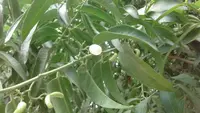
It keeps its glossy leaves year-round and produces small, white, tubular flowers followed by almost transparent, whitish berries that show the dark seeds inside, giving the fruit a distinctive glassy look.

Drought and salt tolerant

In its native range it withstands dry seasons and coastal exposure, showing notable tolerance to short drought periods and some salt spray compared with many other understory shrubs.

FAQs about pearlberry

Sparse or absent flowering usually comes from plant immaturity, insufficient light intensity, or heavy, unpruned wood. Old, shaded stems flower poorly. Regular light pruning after flowering and avoiding heavy nitrogen fertilization helps redirect energy into bud formation.

Grow Healthy Plants with Botan Care

Keep your plants happy and healthy with plant identification, disease detection, and easy care guidance.

Botan plant care app — identify plants on mobile

Explore More Plants