Why Palms Aren't Quite Trees
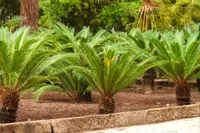
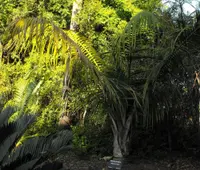
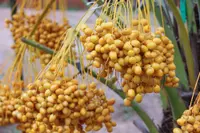
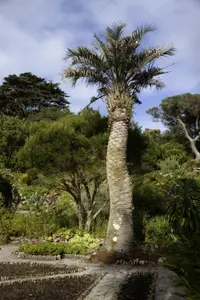
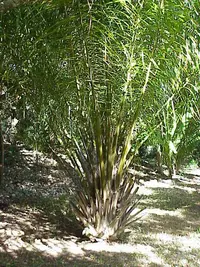
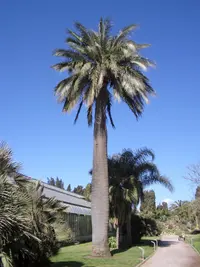
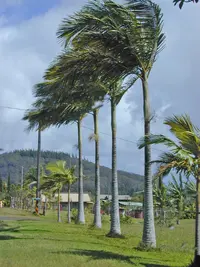
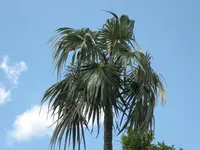
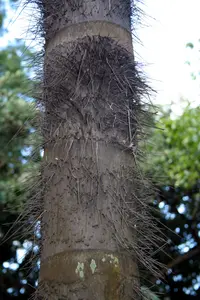
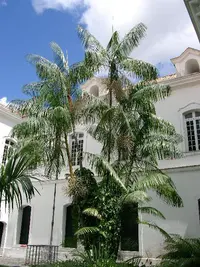
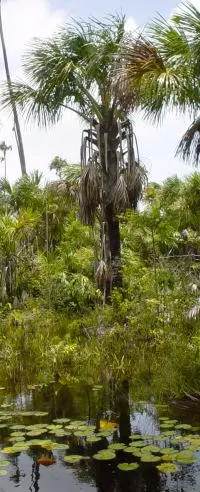
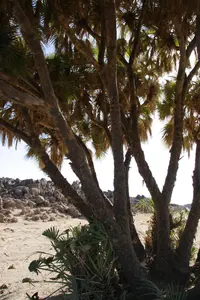
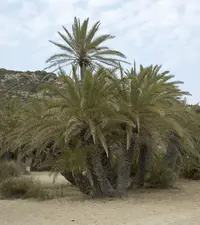
These plants belong to the family Arecaceae and look like trees but grow very differently. Each has a single, unbranched trunk with one terminal growing point at the crown — the source of every new frond.
They are also monocots, which means they're structurally closer to grasses than to broadleaf trees like oaks or maples. They don't produce annual growth rings, and their trunk diameter stays roughly constant from the moment it forms.
Where the Diversity Is Highest
The family Arecaceae spans around 180 genera and 2,500 species, distributed unevenly across the tropics. The greatest concentration falls in South-East Asia and Malesia, with the Americas as the other major center.
Diversity peaks in Malesia — the tropical zone spanning Malaysia, the Philippines, Indonesia, Brunei, and New Guinea. South America is another major hotspot, home to palm species with striking adaptations, like the Walking Palm.
Feather vs. Fan Species
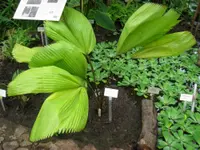
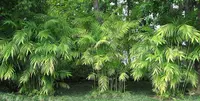
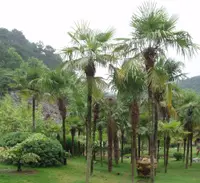
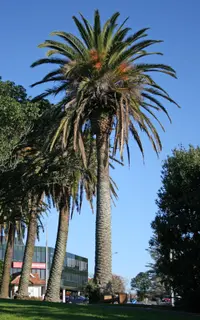
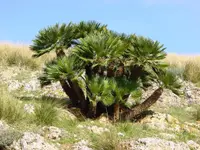
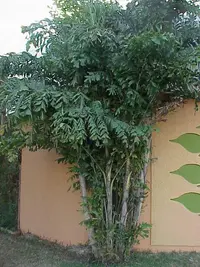
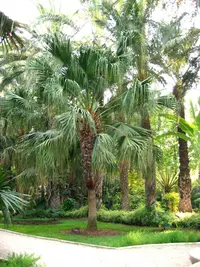
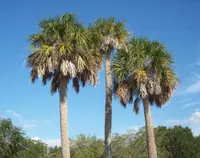
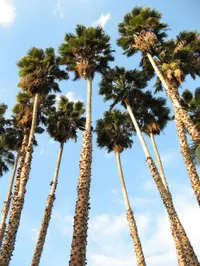
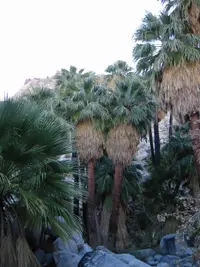
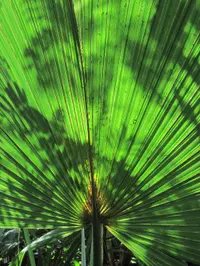
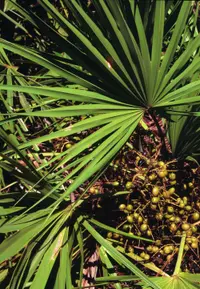
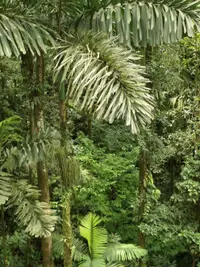
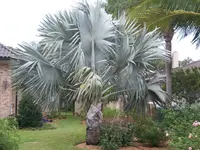
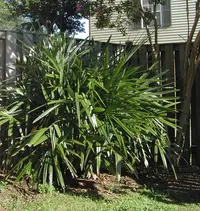
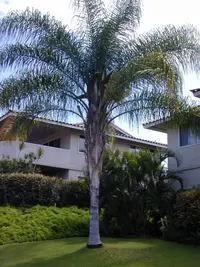
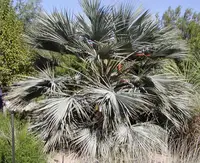
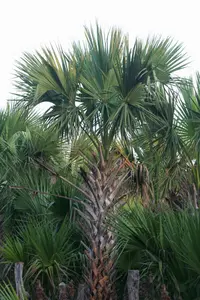
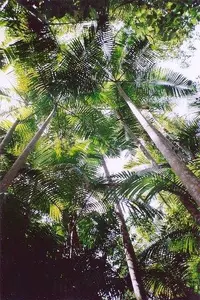
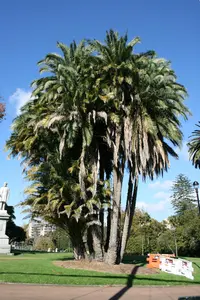
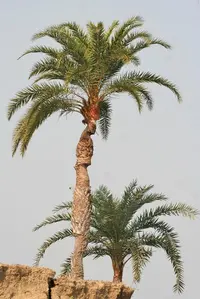
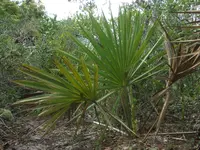
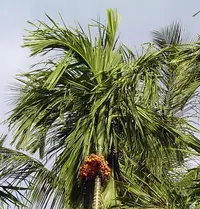
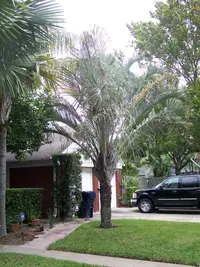
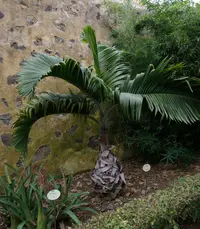
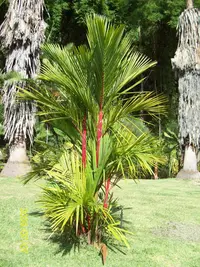
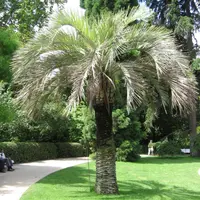
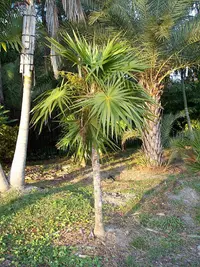
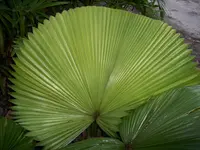
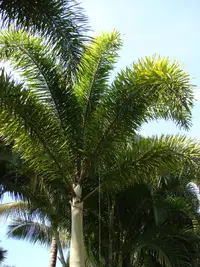
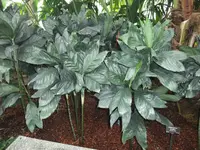
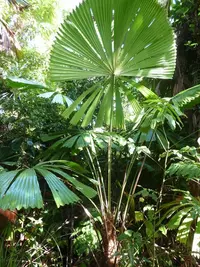
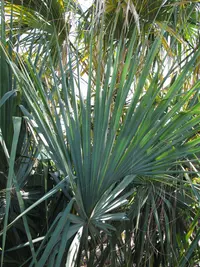
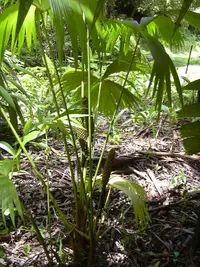
Most palm varieties divide into two groups by frond shape. Feather species, like the Areca palm, have pinnate fronds — leaflets along a central stem. Fan species, like the Windmill Palm, have palmate fronds radiating from a single point.
Feather species dominate in humid tropical lowlands and drive most of the world's palm economy. The fan group, better adapted to drier and cooler climates, extends the family's range far beyond the tropics.