Early site mapping
Before planting, mark out the mature crown spread and root zone radius (at least 6–8 m) so you can keep hardscape, irrigation lines, and large competing trees outside this area as the palm develops.

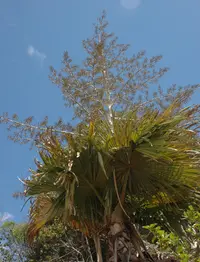
Dimaka, known botanically as Tahina spectabilis, is a rare, gigantic fan palm native to a small region of northwestern Madagascar. It is a monocarpic species, meaning the plant flowers once, sets seed, and then the main trunk dies.
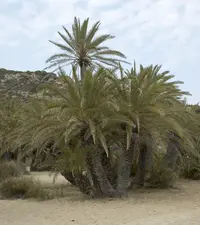
This palm forms a massive solitary trunk topped with a dense crown of huge, circular, pleated leaves. In suitable conditions it can create a striking architectural focal point in large gardens or specialized collections.
Its rarity, large eventual size, and need for warm, frost-free, well-drained but evenly moist conditions make it challenging for most casual growers. Enthusiasts who care for Dimaka often focus on providing bright light, good air movement, and protection from prolonged cold or drought.

Care Difficulty
Hard Care

Light Preference
Full Sun

Water Requirements
Regular Water

Temperature Preference
Tropical / Frost Sensitive

Hardiness Zone
11–12

Soil Texture
Sandy, Loamy

Soil pH
Slightly acidic (6.5–7.0), Neutral (7.0)

Soil Drainage
Well-drained

Fertilization
Minimal (feed rarely)
Scan your plant to receive care tips personalized for your specific plant
Available on iOS and Android
This sun-loving palm thrives in bright, warm conditions similar to its native Madagascar habitat.
This large palm prefers evenly moist but free-draining soil, especially while establishing a deep root system.
This species prefers consistently warm, frost-free conditions and reacts poorly to sudden temperature extremes.
This palm prefers moderately humid air but usually adapts to many outdoor conditions in warm climates.
Tahina spectabilis requires deep, well-drained, slightly sandy soil to support its large root system and prevent rot.
This species can be grown in containers only for the juvenile stage and needs very careful pot selection.
Tahina spectabilis benefits from light, controlled feeding in warm months, especially in containers.
Tahina spectabilis needs minimal pruning, mainly for safety and appearance, not shaping.
Transplanting Tahina spectabilis requires planning, as this palm dislikes root disturbance once established.
Propagation of Tahina spectabilis is done almost exclusively from seed and is considered slow and specialized.
Tahina spectabilis is a tropical, frost-sensitive palm that needs careful winter management outside warm climates.

Plant Health Check
Not sure what's wrong with your plant? Check your plant's health inside the app.
Tahina spectabilis is hapaxanthic, meaning it flowers only once at the end of its life and then dies, producing a huge, branched flowering structure rarely seen in palms.
Although it is a massive, visually striking palm, it was described by science only in 2008 after being discovered in a remote area of northwestern Madagascar.
This species is naturally restricted to a very small area on limestone and sandy soils in dry, seasonal habitats of Madagascar, making its wild populations highly localized and vulnerable.

Individual inflorescences of this palm can reach lengths of several meters and bear hundreds of thousands of tiny flowers at once, creating one of the most spectacular single blooming events known among palms.
This palm is monocarpic, so it flowers only once late in life, usually after several decades. A younger specimen will not bloom yet. Limited root space or severe drought can also delay flowering.
Keep your plants happy and healthy with plant identification, disease detection, and easy care guidance.