Root-zone mulching
Apply a 5–8 cm layer of coarse organic mulch around the root zone, keeping it 5–10 cm away from the trunk, to stabilize soil moisture and temperature and reduce stress on the palm in hot or windy periods.

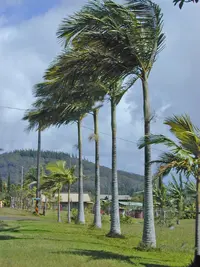
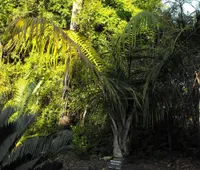
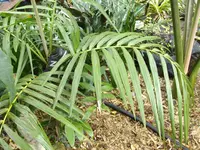
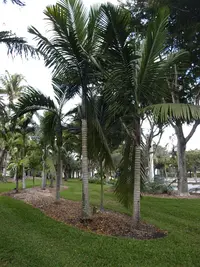
Alexandra palm (Archontophoenix alexandrae) is a fast-growing, solitary palm tree valued for its smooth gray trunk and elegant, arching fronds. It develops a neat, symmetrical crown that gives a distinctly tropical look.
This species is native to the rainforests and river gullies of northeastern Australia, where it grows in warm, humid conditions with regular moisture. In cultivation it prefers bright light, consistent watering, and freely draining soil.
Gardeners often find it straightforward to care for Alexandra palm in frost-free climates, but it can struggle with cold, dry air, or drought. In cooler regions it is sometimes grown in large containers and protected from low temperatures.

Care Difficulty
Moderate Care

Light Preference
Full Sun

Water Requirements
Regular Water

Temperature Preference
Tropical / Frost Sensitive

Hardiness Zone
10–11

Soil Texture
Sandy, Loamy, Organic-rich

Soil pH
Acidic (5.5–6.5), Slightly acidic (6.5–7.0)

Soil Drainage
Moist but well-drained

Fertilization
Light (every 4–6 weeks)
Scan your plant to receive care tips personalized for your specific plant
Available on iOS and Android
This tropical palm prefers bright, indirect light with some direct sun in mild climates.
This palm prefers consistently moist but not saturated soil, reflecting its rainforest origin.
This species thrives in warm, frost-free climates typical of tropical and subtropical regions.
This palm prefers consistently moist air and reacts quickly to dry indoor conditions.
This species performs best in deep, moist, well-drained, slightly acidic soil with high organic content.
This palm can be grown in large containers for several years, especially in mild climates or protected spaces.
Nutrient-rich soil and moderate feeding support steady growth in Alexandra palm.
Pruning Archontophoenix alexandrae focuses on cleanliness and safety rather than shaping the crown.
Container-grown or young landscape plants benefit from careful transplanting to maintain healthy root development.
New plants are usually raised from seed, since vegetative propagation is not practical for this palm.
Cold sensitivity means this palm needs protection in regions with frost or prolonged cool periods.

Plant Health Check
Not sure what's wrong with your plant? Check your plant's health inside the app.
This palm occurs naturally only in a narrow strip of lowland and foothill rainforest in northeast Queensland, Australia, typically along wet valleys and river systems close to the coast.
In the wild it often forms dense stands along creeks and seasonally flooded areas, tolerating periodic inundation and high water tables better than many other rainforest palms.
Its bright red fruit are produced in large clusters and are eaten by many Australian rainforest birds, including fruit-doves and pigeons, which help disperse the seeds over long distances.

This species was named in honor of Prince Alexander of Wales (later King Edward VII) by the 19th‑century botanist Ferdinand von Mueller, reflecting the historical practice of dedicating conspicuous new Australian plants to members of the British royal family.
Yellowing leaves usually come from overwatering, waterlogged soil, nutrient deficiency, or natural aging of the lowest fronds. Check drainage, reduce watering if soil stays wet, and use a balanced palm fertilizer during active growth.
Keep your plants happy and healthy with plant identification, disease detection, and easy care guidance.

-1-200x133.webp)