Scarlet Oak Care (Quercus coccinea)

Also known as: Red Oak
Scarlet Oak

About Scarlet Oak

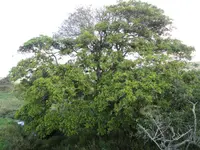
Scarlet oak, Quercus coccinea, is a medium to large deciduous tree known for its vivid red autumn foliage and strong, upright branching. It develops a broad, open crown with age and produces typical acorns that attract wildlife.

This species is native to eastern North America, especially dry, sandy uplands and ridges. It is commonly used as a landscape and street tree where bold fall color is desired.

Scarlet oak prefers full sun, well-drained, slightly acidic soil, and moderate moisture, and it dislikes poorly drained or compacted sites. These traits make it relatively easy to grow if the site is chosen carefully and you understand how to care for Scarlet Oak from planting onward.

Main Plant Requirements

Care Difficulty

Moderate Care

Light Preference

Full Sun

Water Requirements

Moderate Water

Temperature Preference

Cold Hardy

Hardiness Zone

4–9

Soil Texture

Sandy, Loamy, Clay

Soil pH

Acidic (5.5–6.5), Slightly acidic (6.5–7.0)

Soil Drainage

Well-drained

Fertilization

Minimal (feed rarely)

Get Personalized Care Plan

Scan your plant to receive care tips personalized for your specific plant

Available on iOS and Android

How to Care for the Scarlet Oak

This deciduous oak develops best color and structure in full sun conditions.

  • Provide 6–8 hours of direct sun daily; open, unshaded sites are ideal for strong growth and vivid autumn foliage in Scarlet Oak.
  • Young trees tolerate light partial shade, but too much shade leads to thinner crowns, reduced red color, and increased risk of fungal issues.
  • In hot climates, some late-afternoon shade reduces leaf scorch, while winter sun exposure helps buds mature and supports consistent spring leaf-out.

This species prefers evenly moist but not saturated soil, especially during establishment.

  • During the first 2–3 growing seasons, water deeply when the top 5–8 cm of soil feels dry, aiming to moisten the root zone 20–30 cm deep.
  • Mature Quercus coccinea usually relies on rainfall; add supplemental water only during extended dry periods when leaves start to dull or slightly curl at the edges.
  • Use well-drained, slightly acidic soil; symptoms of overwatering include yellowing leaves and dieback on young shoots, while crispy brown leaf margins indicate drought stress.

This hardy oak tolerates a wide climate range but has clear preferences for strong growth.

  • Active growth is best in 65–85°F (18–29°C); stable spring and early-summer temperatures in this range support healthy leaf and root development.
  • Once established, the tree withstands winter lows around -20°F (-29°C), but young specimens benefit from protection from sudden hard frosts their first 1–2 winters.
  • In hot summers above 90°F (32°C), adequate soil moisture and mulch limit heat stress, while avoiding reflected heat from pavement reduces leaf scorch and decline.

This oak tolerates a wide humidity range and usually does not need special humidity management outdoors.

Quercus coccinea performs best in deep, well-aerated, free-draining mineral soils.

  • Use a loamy or sandy-loam soil with moderate organic matter to combine moisture retention with air spaces.
  • Aim for slightly acidic soil, around pH 5.0–6.5, since high pH can limit nutrient availability and cause chlorosis.
  • In heavy or compacted soils, incorporate coarse sand or fine gravel plus compost to improve drainage and root aeration.
  • Avoid waterlogged, shallow, or hardpan sites, which restrict taproot development and increase risk of root rot.

This species is generally unsuited to long-term container culture, except as a very short-term seedling or juvenile specimen.

This native tree usually needs minimal feeding in average garden soil, but light nutrition supports young Scarlet Oak establishment.

  • For landscape trees, apply a thin layer of compost over the root zone once each spring, keeping it away from the trunk flare.
  • On poorer soils, use a balanced slow-release NPK fertilizer at label rate in early spring to support steady growth.
  • Avoid summer and fall applications that can stimulate tender late growth vulnerable to winter injury.
  • Never exceed recommended strength; overfertilizing can cause weak, overly lush shoots and reduce long-term resilience.

Pruning Quercus coccinea focuses on safety, structure, and removal of unhealthy wood rather than frequent shaping.

  • Schedule most pruning in late winter while the tree is dormant and branch structure is visible.
  • Remove dead, diseased, crossing, or storm-damaged branches with clean, sharp bypass pruners or a pruning saw.
  • Maintain a single strong central leader and well-spaced scaffold branches to encourage a stable, balanced crown.
  • Use proper three-cut technique on larger limbs to prevent bark tearing and reduce the risk of decay at the collar.

This oak is rarely a long-term container plant and is usually transplanted to a permanent outdoor site while still young.

  • Transplant in late fall or early spring when the tree is dormant and soil is workable, avoiding hot, dry periods.
  • Look for circling roots in nursery pots, slow growth, or the root ball drying very quickly as signs it must be moved.
  • Plant at the same depth as in the container, spreading or cutting circling roots and watering deeply after backfilling.
  • Mulch 5–8 cm over the root zone, keep mulch off the trunk, and maintain consistent moisture to reduce transplant stress.

Quercus coccinea is usually propagated from seed; vegetative methods are uncommon and more technically demanding.

  • Collect healthy acorns in fall, discarding any with holes or that float in water, which often indicates insect damage.
  • Provide cold stratification at about 34–41°F in moist medium for 8–12 weeks to break seed dormancy and enhance germination.
  • Sow stratified acorns in deep containers or nursery beds, positioning them on their side and covering lightly with soil.
  • Keep the medium evenly moist, protect from rodents, and grow seedlings on for 1–2 years before field planting.

Mature scarlet oak is cold hardy in much of the US and usually needs little active winter care once established.

  • Apply 5–8 cm of organic mulch over the root zone in fall to buffer soil temperature and moisture, avoiding trunk contact.
  • Water young trees well into late fall during dry weather so roots enter winter with adequate moisture reserves.
  • For container-grown saplings, move pots into an unheated but sheltered location to prevent root systems from freezing solid.

Care Tips

Establishing Strong Leader

Select one central, upright stem in the first 3–5 years and remove competing leaders during late winter to build a single strong trunk and reduce future storm damage risk when growing Scarlet Oak.

Early Structural Pruning

In years 2–8, remove or shorten steeply upright branches with narrow crotch angles and retain well-spaced lateral branches to create a stable scaffold and reduce the chance of limb splitting as the tree matures.

Root Zone Protection

Keep the root zone under the canopy free from soil compaction by avoiding parking, heavy foot traffic, or construction trenches and use a wide mulch ring instead of turf right up to the trunk.

pH And Nutrient Monitoring

Test soil every 2–3 years, aiming for slightly acidic conditions, and correct high pH or nutrient imbalances before symptoms appear to prevent chronic chlorosis and slow decline.

Preventing Trunk Injury

Install a visible mulch ring and use physical guards if needed to keep string trimmers, mowers, and chewing animals away from the bark, since repeated trunk damage can permanently weaken the tree.

Common Pests and Diseases

Oak anthracnose

This disease causes irregular brown blotches along leaf veins, leaf curling, and early leaf drop in cool, wet spring weather.

Solution

Prune and dispose of heavily infected twigs and fallen leaves, then improve airflow through the canopy with selective thinning. In landscape settings, focus on keeping the tree vigorous through proper watering and mulching; fungicide sprays are rarely needed for established trees unless a certified arborist recommends targeted spring treatments as part of broader Quercus coccinea care.

Oak wilt

This disease leads to sudden leaf wilting, bronzing, and rapid branch dieback, often starting in the upper crown and progressing downward.

Solution

Contact a certified arborist or local extension service immediately, as oak wilt is serious and regulated in many regions. Avoid pruning during the growing season, sanitize tools between trees, and, if confirmed, follow professional guidance on root disruption, sanitation felling, and preventing spread to nearby oaks.

Two-lined chestnut borer

This pest attacks stressed oaks, causing thinning foliage, branch dieback from the top down, and D-shaped exit holes in the bark.

Solution

Reduce stress on the tree with deep, infrequent watering during drought, proper mulching, and avoiding trunk or root damage. In confirmed infestations, have an arborist evaluate the need for removing heavily infested limbs and consider systemic insecticide treatments timed to adult emergence if appropriate in your area.

Gypsy moth

These insects can defoliate trees by feeding heavily on leaves, sometimes stripping large sections of the canopy in outbreak years.

Solution

Monitor for egg masses on trunks and branches and physically remove and destroy them during the dormant season. For active caterpillars, use targeted biological products containing Bacillus thuringiensis kurstaki (Btk) on reachable foliage, and seek community or municipal management advice during regional outbreaks.

Oak leaf blister

This disease causes raised, light green to yellow blisters on leaves that later turn brown, giving foliage a puckered appearance.

Solution

Rake and remove fallen leaves to reduce overwintering spores and promote good canopy airflow through careful pruning. Chemical control is rarely necessary; most trees tolerate the damage, so focus on overall tree health with adequate water, mulch, and avoidance of soil compaction.

Interesting Facts

Brilliant fall canopy

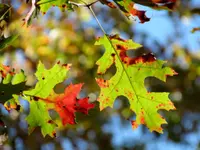
Scarlet oak is known for its vivid red autumn foliage that can persist on the tree well into winter, especially on younger branches, giving it a long-lasting seasonal display in its native eastern North American forests.

Dry, acidic soil specialist

This species is particularly adapted to dry, sandy, or rocky, acidic soils on ridges and slopes, where many other oaks perform poorly, and it often becomes a dominant tree in these nutrient-poor sites.

Wildlife food source

Its relatively small, slightly bitter acorns are produced in the second year and are eaten by many birds and mammals, including wild turkey, deer, and squirrels, supporting food webs in oak–pine and mixed hardwood forests.

Botan icon

Did you know?

Scarlet oak is one of the classic shade trees planted on the National Mall in Washington, D.C., where its intense red fall color has been used deliberately in large-scale landscape designs since the late 19th century.

FAQs about Scarlet Oak

Growth is moderate, typically 30–60 cm per year in good conditions. Young trees form a noticeable canopy in about 8–12 years, with growth rate influenced by soil quality, moisture availability, and climate.

Grow Healthy Plants with Botan Care

Keep your plants happy and healthy with plant identification, disease detection, and easy care guidance.

Botan plant care app — identify plants on mobile

Explore More Plants