Mexican Blue Palm Care (Brahea armata)

Mexican Blue Palm

About Mexican Blue Palm

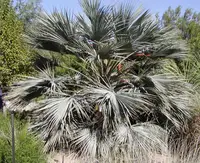
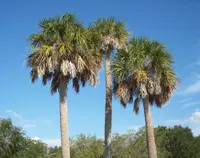
Mexican blue palm (Brahea armata) is a slow-growing, fan palm valued for its striking silver-blue foliage and strong architectural form. It develops a stout trunk topped with a dense crown of rigid, circular leaves.

This species is native to arid regions of Baja California in Mexico, where it experiences intense sun, dry air, and poor, rocky soils. Its natural habitat makes it highly drought-tolerant but less suited to very humid or wet climates.

Brahea armata is considered moderately challenging for beginners because it grows slowly, dislikes frequent disturbance, and needs good light and sharp drainage. Understanding how to care for Mexican Blue Palm starts with providing bright sun, low to moderate moisture, and a well-drained, gritty soil mix.

Main Plant Requirements

Care Difficulty

Moderate Care

Light Preference

Full Sun

Water Requirements

Low Water

Temperature Preference

Warm Climate

Hardiness Zone

8–11

Soil Texture

Sandy, Loamy, Rocky

Soil pH

Slightly acidic (6.5–7.0), Slightly alkaline (7.0–7.5)

Soil Drainage

Well-drained

Fertilization

Minimal (feed rarely)

Get Personalized Care Plan

Scan your plant to receive care tips personalized for your specific plant

Available on iOS and Android

How to Care for the Mexican Blue Palm

This desert palm thrives in strong light and develops best color in full sun.

  • Provide 6–10 hours of direct sun daily; full, unobstructed exposure suits mature Brahea armata in most dry climates.
  • Allow light afternoon shade in very hot regions, especially for young plants, to reduce leaf scorch and heat stress on newly planted specimens.
  • Avoid prolonged shade, which leads to thin, stretched growth and dull foliage; in winter, ensure the site stays as open and bright as possible.

This species prefers dry, well-drained conditions and is sensitive to excess moisture around the roots.

  • Let the top 5–8 cm of soil dry before watering; in most landscapes this means deep, infrequent soaking rather than light, frequent watering.
  • Reduce watering further in cool or rainy seasons, since Brahea armata is drought tolerant but prone to root rot in poorly drained or constantly wet soil.
  • Watch for drooping, crisp leaf tips as a sign of underwatering and yellowing, soft bases or foul smell near the trunk as signs of overwatering.

This palm is adapted to hot, arid climates but tolerates notable cold once established.

  • Aim for warm growing-season temperatures around 70–95°F (21–35°C), with low humidity and good air movement to mimic its native desert valleys.
  • Mature plants can survive brief drops to about 15–20°F (-9 to -6°C), but young specimens are safer above 25°F (-4°C), especially in damp winter conditions.
  • Protect from prolonged hard frost and freezing winds, and allow soil to dry slightly faster during hot spells above 100°F (38°C) to prevent root stress.

Brahea armata tolerates dry air well, so humidity is rarely a concern in typical home or outdoor conditions.

Brahea armata prefers very well-drained, mineral, slightly alkaline soil that mimics its native desert slopes.

  • Use a gritty mix such as 50–60% coarse sand or fine gravel with the rest loam-based potting mix.
  • Aim for a pH around 7.0–8.0, adding a small amount of garden lime if your base mix is acidic.
  • Incorporate materials like pumice or perlite to increase aeration and prevent compaction over time.
  • Avoid heavy clay, peat-heavy, or water-retentive mixes that stay wet for more than 1–2 days after watering.

This palm can grow in large containers for many years if given stable, well-drained conditions.

  • Choose a wide, heavy container to counter the tall, top-heavy crown and reduce tipping risk in wind.
  • Use a deep pot that allows the taproot and strong anchoring roots to extend downward without circling tightly.
  • Select thick-walled clay or concrete containers outdoors, as they moderate root temperature and improve stability in exposed sites.

This desert palm grows slowly and needs only modest feeding to stay healthy.

  • Use a balanced slow-release palm fertilizer (for example 10-5-10 with micronutrients) or light compost in spring.
  • Feed Mexican Blue Palm 1–2 times during the warm growing season, not monthly.
  • Apply at half the label rate for in-ground plants and water in thoroughly.
  • Stop feeding in late summer so growth can harden before winter dormancy.

Pruning Brahea armata focuses on safety and appearance rather than shaping the canopy.

  • Best time is late winter to early spring, before strong new growth starts.
  • Remove only dead, completely brown, or damaged fronds and spent flower stalks.
  • Keep healthy green fronds to maintain energy reserves and natural form.
  • Use clean, sharp loppers or a pruning saw, cutting close to the trunk without damaging it.

This palm is usually grown in the ground and dislikes frequent disturbance of its root system.

  • Transplant young plants in late spring when soil is warming and frost risk has passed.
  • Move only when roots are circling the pot, growth is stalled, or the plant becomes unstable.
  • Handle the root ball gently, keeping as much soil attached as possible to limit shock.
  • Water deeply after planting, then keep soil slightly moist until new growth shows establishment.

Brahea armata is propagated mainly from seeds and the process is slow but reliable.

  • Collect ripe seeds and sow in late spring to early summer for warm soil conditions.
  • Soak seeds 24–48 hours in warm water, then sow in a free-draining, sandy mix.
  • Maintain 75–85°F bottom warmth, high light, and constant slight moisture for germination.
  • Expect very slow, staggered germination; keep pots undisturbed for many months.

This palm is relatively cold hardy but benefits from some winter protection in colder regions.

  • Mature plants tolerate brief drops to about 15–20°F when soil is well drained.
  • Apply a 5–8 cm mulch layer around the root zone, keeping it away from the trunk.
  • In areas with severe freezes, loosely wrap the crown with breathable frost cloth.
  • Move container plants into a bright, cool, frost-free space before hard freezes.

Care Tips

Protect Young Trunk

For the first 2–3 years, wrap the young trunk with breathable frost cloth or burlap during hard freezes or drying winter winds to reduce scarring and prevent cold damage to the central growth point.

Deep Root Establishment

During the first 1–2 growing seasons, encourage a deep root system by applying water slowly in a wide basin around the drip line, then gradually expanding the basin radius as the canopy enlarges.

Salt And Alkalinity Check

In arid or coastal areas, periodically test soil and irrigation water for salinity and high pH, and if levels are elevated, leach the root zone with low-salt water a few times per year to prevent leaf tip burn and micronutrient lockout.

Safe Frond Removal

Remove only fully dead, dry fronds and cut them 5–10 cm from the trunk with clean, sharp loppers to avoid trunk damage and reduce hiding places for rodents and insects.

Summer Weed Control

Keep a 60–90 cm weed-free zone around the base using mulch or manual removal rather than string trimmers, which can injure surface roots and the trunk when caring for Mexican Blue Palm.

Common Pests and Diseases

Palm weevils

This pest attacks the crown and young growth, tunneling into tissues and causing collapse of new fronds and eventual crown failure. Symptoms include wilting, deformed emerging leaves, and internal rot in the growing point.

Solution

Remove and destroy heavily infested or collapsed plants to prevent spread, and inspect the crown regularly for boring holes, frass, or odor. Use species-appropriate systemic insecticide drenches on the crown and trunk in warm months, and avoid wounding the trunk, which attracts adults.

Scale insects

These insects attach to leaf stalks and undersides of fronds, sucking sap and causing yellowing, reduced vigor, and sticky honeydew that can lead to sooty mold. Symptoms include small dome-shaped or shell-like bumps that do not move when touched.

Solution

Prune and discard heavily infested fronds, then wipe accessible areas with a cloth dipped in water with a few drops of mild soap or horticultural oil. For larger palms, use repeated applications of horticultural oil or a labeled systemic product according to instructions, monitoring new growth for reinfestation as part of Brahea armata care instructions.

Ganoderma butt rot

This disease affects the lower trunk, causing internal decay that slowly weakens structural integrity. Symptoms include thinning canopy, slower growth, and hard, varnished, shelf-like fruiting bodies at the trunk base.

Solution

There is no curative treatment; remove and destroy affected palms, including the stump, to reduce inoculum in the soil. Avoid trunk injuries and do not move contaminated soil or wood debris to new planting areas, and replant only with species considered less susceptible in that location.

Leaf spot fungus

This disease causes small brown to gray spots on leaf blades that may merge into larger blotches, especially on older fronds. Symptoms include cosmetic damage and, under prolonged wet or humid conditions, premature browning and shedding of affected leaves.

Solution

Remove and dispose of badly spotted fronds, keeping the crown open to light and air. Water at soil level rather than over the canopy, and in persistent or severe cases apply a palm-safe fungicide during warm, wet periods while improving spacing and airflow around the plant.

Bud rot

This disease attacks the central growing point, especially after prolonged wet, humid, or cool conditions, leading to soft, foul-smelling tissue and collapse of the spear leaf. Symptoms include a loose or easily pulled spear, browning of new growth, and eventual death of the crown if not contained.

Solution

At early stages, remove and discard the rotting spear and affected tissue, then treat the exposed bud area with a systemic or copper-based fungicide labeled for palms. Improve drainage, avoid overhead watering into the crown, and space irrigation so that the central bud dries quickly after rain or watering to reduce recurrence.

Interesting Facts

Native desert specialist

This species is native to the arid canyons and rocky slopes of Baja California, where it naturally endures intense sun, high heat, and very low rainfall, making it one of the more drought-adapted fan palms. Its native habitat includes limestone and rocky soils with excellent drainage, which shapes many core Brahea armata care instructions in cultivation.

Distinctive blue foliage

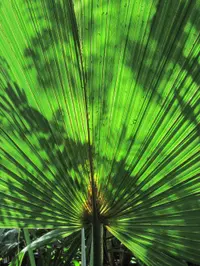
The leaves have a strong glaucous coating, a waxy layer that gives them a pale silvery-blue color and helps reduce water loss under high radiation and dry air. This distinctive coloration can appear more intense in full sun and low-humidity environments.

Slow but long-lived

Growth is naturally slow, especially in youth, as the palm invests heavily in a sturdy trunk and deep root system for survival in harsh conditions. In suitable climates, individual specimens can persist for many decades and become long-term structural elements in landscapes.

Botan icon

Did you know?

The species often grows on steep, inaccessible canyon walls in its native Baja California range, and some wild populations are visited by specialized nectar-feeding bats that pollinate the tall flower stalks at night as they move between desert oases.

FAQs about Mexican Blue Palm

This species usually flowers only after many years, once the trunk is well formed. Lack of bloom is normal in young plants. Cool winters, strong light, and avoiding heavy fertilization help trigger flowering when it reaches maturity.

Grow Healthy Plants with Botan Care

Keep your plants happy and healthy with plant identification, disease detection, and easy care guidance.

Botan plant care app — identify plants on mobile

Explore More Plants