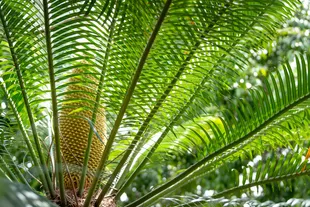
What Defines Ferns as a Separate Group
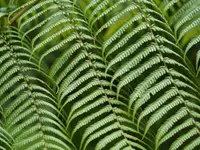
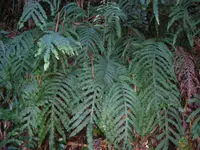
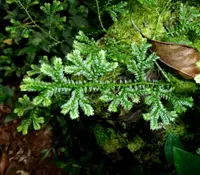
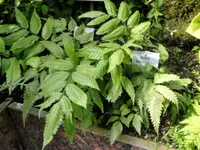
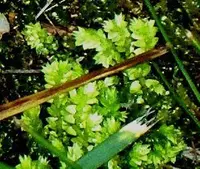
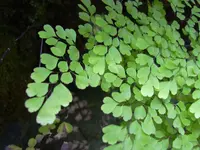
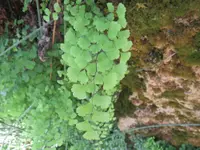
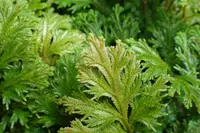
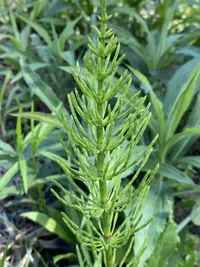
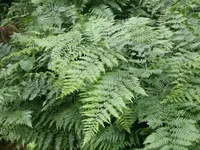
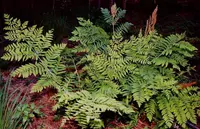
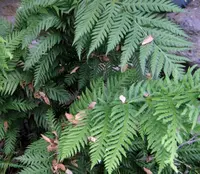
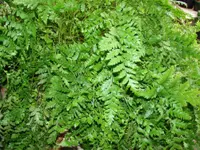
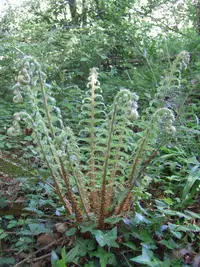
Ferns are vascular plants, meaning they have internal systems for moving water and nutrients, like trees and flowering plants. However, they produce spores, not seeds or flowers, and depend on moisture to reproduce. That is why they're so common in humid, shaded environments.
They're also ancient. These plants appeared over 360 million years ago, hundreds of millions of years before the first flowering plant. Around 10,500 species exist today, making them the second-largest group of vascular plants on Earth.
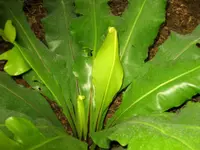
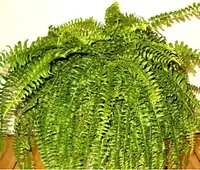
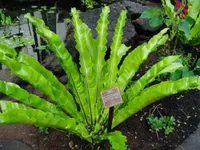
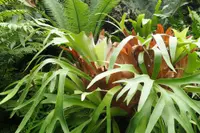
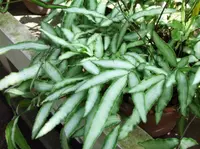
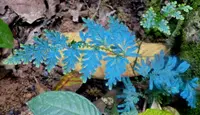
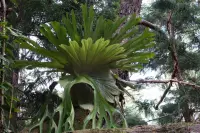
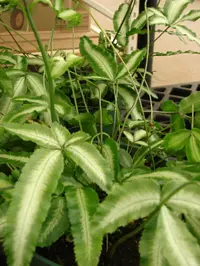
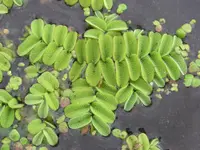
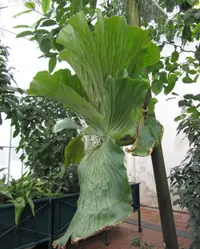
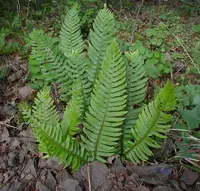
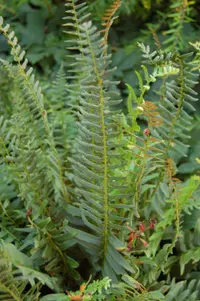
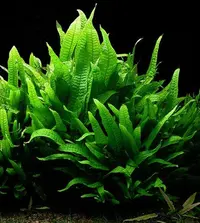
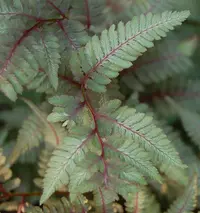
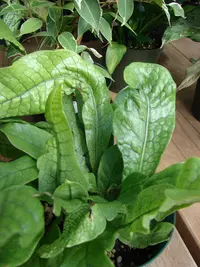
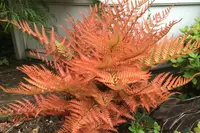
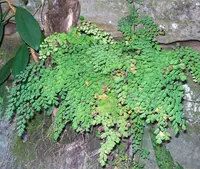
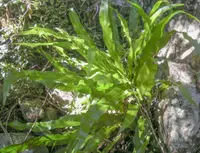
Some fern names will be familiar. For example, Bird's Nest and Southern sword are common houseplants. Others are less expected, like the water-dwelling Floating Fern or the vivid Blue Star.
The Reproduction Cycle Explained
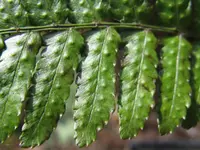
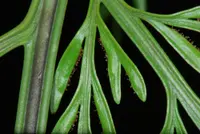
Ferns release microscopic cells called spores from patches on the undersides of their fronds to reproduce. A spore landing in moist soil grows into a tiny new plant, which produces sperm and egg cells. Sperm must swim through a thin film of water to reach the egg.
Unlike flowering plants that evolved pollen and can spread across dry habitats, ferns can grow and reproduce only in humid environments.
From Treetops to Ponds: The Main Fern Groups
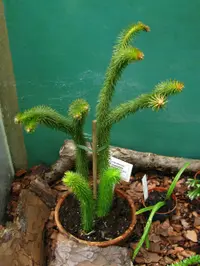
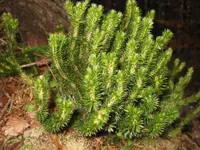
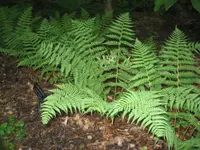
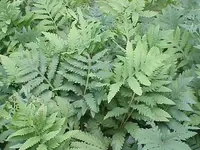
The names of ferns in the list above cover all four main groups: tree, epiphytic, aquatic, and terrestrial species.
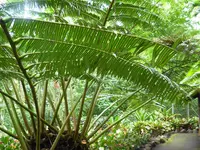
Tree species grow a trunk-like stem and can reach up to 20 meters tall. The Tasmanian Tree Fern is a well-known example.
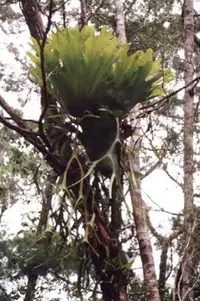
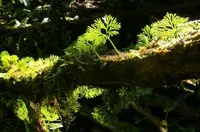
Epiphytic species attach to other plants and absorb moisture from air and rain rather than soil, like the Elkhorn Fern.
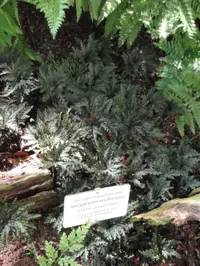
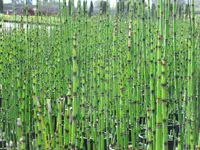
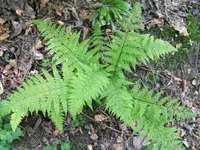
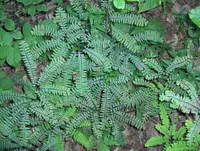
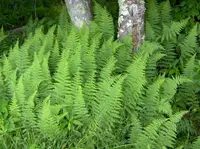
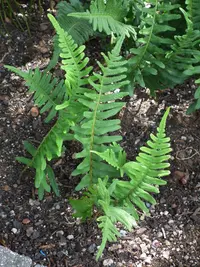
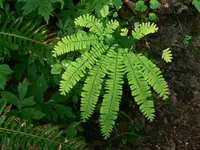
Aquatic plants grow in or on water, from ponds to flooded rice fields. Terrestrial ones cover shaded woodlands and rocky slopes, making up the vast majority of all 10,500 known species.