Soft Shield Fern Care (Polystichum setiferum)

Soft Shield Fern

About Soft Shield Fern

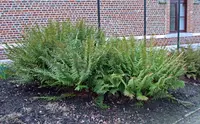
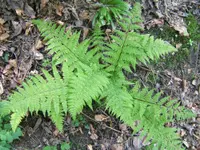
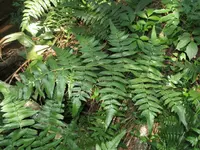
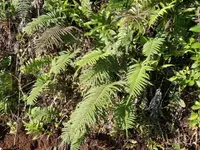
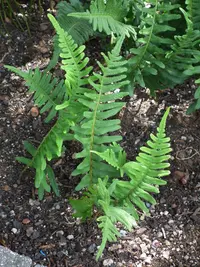
Soft shield fern, Polystichum setiferum, is an evergreen fern grown mainly for its finely divided, feathery fronds and dense, upright clumps. It forms soft, arching fronds that create a graceful, layered texture, often used to soften shady borders or underplant trees and shrubs.

This species is native to western and southern Europe, where it grows in woodland and rocky, shaded habitats. It is generally considered a reliable, long-lived fern, tolerant of cool climates and partial to full shade, which makes it relatively straightforward to care for Soft Shield Fern.

It prefers consistently moist, humus-rich soil with good drainage and protection from harsh sun and drying winds. These traits make Polystichum setiferum a suitable choice for shaded gardens and naturalistic plantings.

Main Plant Requirements

Care Difficulty

Moderate Care

Light Preference

Partial Shade

Water Requirements

Keep Soil Moist

Temperature Preference

Cold Hardy

Hardiness Zone

5–8

Soil Texture

Loamy, Peaty, Organic-rich

Soil pH

Acidic (5.5–6.5), Slightly acidic (6.5–7.0)

Soil Drainage

Moist but well-drained

Fertilization

Minimal (feed rarely)

Get Personalized Care Plan

Scan your plant to receive care tips personalized for your specific plant

Available on iOS and Android

How to Care for the Soft Shield Fern

This fern prefers cool, shaded conditions that mimic woodland understories.

  • Provide dappled or filtered light under trees or shade cloth, with no more than 1–2 hours of gentle morning sun and no direct hot afternoon sun.
  • Soft Shield Fern tolerates deep shade but fronds may grow thinner; best growth occurs in partial to full shade with bright, indirect light nearby.
  • If fronds bleach, curl, or show crispy tips, light is too strong; if growth is sparse and leggy, increase indirect light exposure gradually.

This fern favors consistently moist but not waterlogged soil.

  • Water when the top 2–3 cm of soil feel slightly dry, aiming to keep the root zone evenly damp, especially during active growth in spring and summer.
  • Ensure soil is rich in organic matter and drains freely; avoid standing water, which can cause root rot, limp fronds, and a sour soil smell.
  • In dry or windy periods, monitor more often for drooping, crisping frond tips, and shrinking fronds, which signal the need for more moisture.

This hardy fern tolerates a wide temperature range typical of temperate gardens.

  • Optimal growth occurs at 50–70°F (10–21°C), with cool, humid conditions and shelter from strong, drying winds.
  • The plant tolerates winter lows down to about 5–10°F (-15 to -12°C) once established, though heavy frost can scorch older fronds, which usually regrow in spring.
  • In hot weather above 80°F (27°C), provide extra shade, mulch to keep roots cool, and consistent moisture to prevent heat stress and frond drooping.

This fern prefers consistently moist air and reacts quickly to dry indoor conditions.

  • Aim for 50–70% humidity to keep fronds soft and evenly green.
  • Dry air causes crisping at frond tips and edges, especially on new growth of Soft Shield Fern.
  • Increase humidity by grouping pots, using a nearby humidifier, or placing the container on a pebble tray with water below the pot base.

This fern grows best in loose, humus-rich soil that stays evenly moist but never waterlogged.

  • Use a mix of 50–60% peat-free compost with 20–30% fine bark and 10–20% perlite for a fibrous, airy texture.
  • Ensure fast drainage so water drains from the pot within 30–60 seconds after thorough watering.
  • Aim for slightly acidic to neutral pH, roughly 5.5–7.0, which suits Polystichum setiferum roots.
  • Avoid heavy clay, compacted mixes, or those with large amounts of unamended garden soil that stay wet and exclude air.

This species is well suited to container growing on shaded patios or balconies.

  • Choose a pot slightly wider than the root ball but deep enough to accommodate its fibrous root system without crowding.
  • Select a stable, heavier container if exposed to wind, since dense fronds can catch air and tip light pots.
  • Use thick-walled terracotta or similar porous materials when extra evaporation helps prevent soggy conditions in cool, wet climates.

Polystichum setiferum is a woodland fern that benefits from light feeding rather than heavy fertilization.

  • Use a balanced, dilute liquid fertilizer (such as 10-10-10 at 1/4 strength) every 4–6 weeks in spring and early summer.
  • Alternatively, top-dress with a thin layer of compost once in spring to mimic rich leaf litter.
  • Stop feeding in late summer and do not fertilize in winter dormancy.
  • Flush the soil with plain water occasionally to prevent salt buildup in containers.

Polystichum setiferum responds well to modest pruning aimed at cleanliness and neat shape.

  • Best time is late winter or very early spring before new fronds unfurl.
  • Remove dead, yellowing, or damaged fronds at the base with clean, sharp pruners or scissors.
  • Thin a few crowded, overlapping fronds to improve air flow and maintain an open, arching form.
  • Avoid cutting healthy green fronds mid-blade, as this can leave unattractive stubs and reduce photosynthesis.

Soft Shield Fern has a shallow, fibrous root system that dislikes frequent disturbance but accepts careful transplanting.

  • Consider repotting or transplanting every 3–4 years when roots circle the pot, growth slows, or soil breaks down.
  • Aim for early spring, selecting a container or site only slightly larger, with moisture-retentive, well-drained, humus-rich soil.
  • Lift the root ball gently, keep roots shaded and moist, and avoid breaking the crown where fronds emerge.
  • Set at the same depth, firm soil lightly, water thoroughly, then keep evenly moist and sheltered until new growth resumes.

This fern is most reliably increased by division of established clumps rather than by spores.

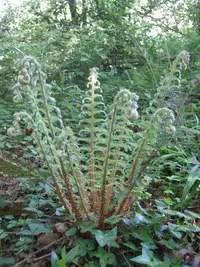
  • Divide Polystichum setiferum in early spring as new croziers (coiled young fronds) start to appear.
  • Lift the clump, then split it into sections, each with several healthy fronds and a firm portion of crown and roots.
  • Replant divisions immediately into humus-rich, moist, shaded ground or containers, keeping roots covered and cool.
  • Maintain steady moisture and moderate shade until new frond growth confirms successful establishment.

This fern is generally cold hardy in much of the US and needs only modest winter attention outdoors.

  • Tolerates light to moderate frost once established, though young plants appreciate extra shelter.
  • Apply a 5–8 cm layer of leaf mold or bark mulch around the root zone in late fall, keeping it off the crown.
  • For containers in colder zones, move pots to an unheated garage, porch, or sheltered wall to prevent root freeze.

Care Tips

Divide Mature Clumps

Every 3–5 years, lift and divide overgrown crowns in early spring, replanting sturdy outer sections at the same depth to renew vigor and maintain an attractive, open rosette form.

Mulch Around Crowns

Apply a 3–5 cm layer of fine, leaf-based mulch around but not over the crowns each year to keep roots cool, conserve moisture, and gradually improve the soil structure.

Protect Frond Bases

Leave a low ring of older, cut frond stubs around the crown through winter to help shield emerging croziers from cold winds and physical damage, then tidy them away once new fronds harden.

Shelter From Wind

Install low windbreaks such as lattice panels or dense companion shrubs on exposed sites so fronds are less likely to tear, scorch, or desiccate in drying winds.

Monitor Crown Density

Periodically thin out damaged or congested fronds at the base, removing them cleanly with sharp tools so light and air can reach the center of the plant, which supports healthier long-term Polystichum setiferum care.

Common Pests and Diseases

Soft scale

This pest feeds on frond stems and undersides, drawing sap and causing yellowing and a sticky honeydew coating that encourages sooty mold growth.

Solution

Wipe fronds and stipes with a damp cloth or soft brush dipped in diluted insecticidal soap, then rinse gently; for heavier infestations on outdoor clumps, apply a horticultural oil spray in cool, overcast conditions and repeat every 7–10 days until no new scale appears.

Vine weevil

This pest primarily damages soft shield fern through larvae that feed on roots and crowns, leading to wilting, stunted growth, and sudden collapse, while adults notch frond edges.

Solution

Inspect for notched fronds and loosen soil to look for C-shaped white grubs, then hand-pick adults at night and remove larvae; in gardens or containers, apply nematodes labeled for vine weevil control to moist soil in spring or late summer according to label directions.

Fern aphids

These insects cluster on soft new fronds and midribs, sucking sap and causing distortion, curling, and sticky honeydew deposits that may attract ants.

Solution

Rinse the plant thoroughly with a firm but gentle stream of water, focusing on young fronds, then treat remaining colonies with insecticidal soap or a light horticultural oil, repeating weekly until populations stay low while monitoring for beneficial insects.

Rhizoctonia crown rot

This disease affects the crown and lower rhizomes, with symptoms including browning at the base of fronds, a mushy crown, and fronds collapsing despite adequate moisture.

Solution

Remove and discard affected fronds and any soft, discolored crown tissue, improve drainage and avoid waterlogging, then replant healthy divisions in well-drained, humus-rich soil and water at the soil level rather than over the crown to reduce infection risk.

Leaf spot

This disease causes small brown to black spots or irregular lesions on pinnae, sometimes surrounded by yellow halos, which can merge and lead to premature frond dieback in shaded, humid sites.

Solution

Cut and discard heavily spotted fronds to reduce spore spread, water at soil level instead of overhead, increase air movement, and if needed apply a fern-safe fungicide labeled for leaf spot, following directions and treating new fronds as they emerge during humid periods.

Interesting Facts

Soft fronds, sharp name

The species epithet setiferum means bristle-bearing, referring to the tiny bristle-like teeth along the leaf segments, even though the fronds feel comparatively soft and flexible to the touch compared with many other shield ferns.

Evergreen in mild climates

This fern is reliably evergreen in oceanic and mild temperate regions, retaining functional fronds year-round and continuing low-level photosynthesis during winter when many other woodland plants are dormant.

High natural variability

It shows strong natural variation in pinnae shape and division, which has led to the selection of many distinct horticultural cultivars, especially in Britain and Ireland, where it has been grown and selected for frond form since at least the 18th–19th centuries.

Botan icon

Did you know?

In parts of western Europe, particularly the British Isles, this species forms characteristic lush stands on old stone walls, banks, and shaded ruins, where it can persist for many decades and is often used as an indicator of long-term shade and stable, humid microclimates.

FAQs about Soft Shield Fern

This species spreads slowly by short creeping rhizomes and spores. In garden settings it usually forms tidy clumps rather than running. It can self-seed lightly, but is not considered aggressive in typical conditions.

Grow Healthy Plants with Botan Care

Keep your plants happy and healthy with plant identification, disease detection, and easy care guidance.

Botan plant care app — identify plants on mobile

Explore More Plants