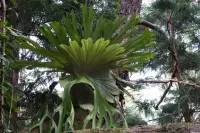
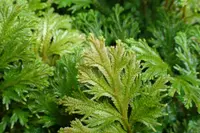
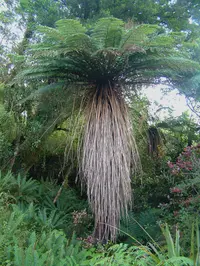
Thelypteris unita Care

About Thelypteris unita

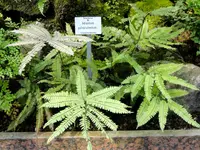
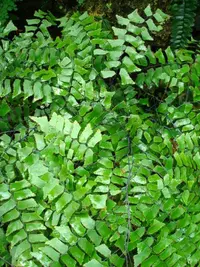
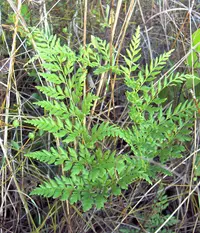
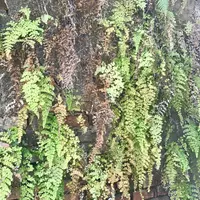
Thelypteris unita is a terrestrial fern with arching fronds that form a soft, spreading clump. It has a finely divided, delicate look but a fairly robust constitution.

This species is typically found in moist, shaded habitats such as forest edges, stream banks, and damp clearings in tropical to subtropical regions. It prefers consistently damp, humus-rich soil and protection from harsh sun.

For most home growers, it is moderately easy to manage once stable moisture and shade are provided. Understanding how to care for Thelypteris unita mainly involves keeping its roots cool, evenly moist, and never waterlogged.

Main Plant Requirements

Care Difficulty

Moderate Care

Light Preference

Partial Shade

Water Requirements

Keep Soil Moist

Temperature Preference

Warm Climate

Hardiness Zone

Unknown

Soil Texture

Loamy, Silty, Organic-rich

Soil pH

Acidic (5.5–6.5)

Soil Drainage

Moist but well-drained

Fertilization

Minimal (feed rarely)

Get Personalized Care Plan

Scan your plant to receive care tips personalized for your specific plant

Available on iOS and Android

How to Care for the Thelypteris unita

This fern prefers soft, filtered light that mimics woodland or understory conditions.

  • Provide bright, indirect light or dappled shade, such as under taller plants or light tree canopy, with 2–4 hours of gentle morning sun and no harsh afternoon sun.
  • Thelypteris unita tolerates partial to full shade, but fronds may lengthen and thin if light is too low; increase filtered light if growth becomes sparse.
  • Avoid direct midday sun, which can scorch fronds and dry soil quickly; in hotter months, shift to deeper shade or add shade cloth outdoors.

This species prefers evenly moist conditions and does not tolerate prolonged drought.

  • Aim for consistently moist soil; in active growth, water whenever the top 2–3 cm of soil feel slightly dry, using slow, thorough watering instead of frequent splashing.
  • Ensure soil is humus-rich and well draining; waterlogged conditions cause limp, yellowing fronds and possible root rot, especially in heavy clay sites.
  • During cooler months, allow the top 3–4 cm to dry a bit more between waterings; crisp, browning frond tips suggest underwatering, while blackened bases suggest excess moisture.

This fern favors mild, frost-free conditions with stable, moderate temperatures.

  • Optimal growth occurs around 60–80°F (16–27°C); sustained temperatures near this range support steady frond production and healthy root activity.
  • Protect from frost; growth slows below 50°F (10°C) and tissue damage may occur near 32°F (0°C), so provide mulch or shelter in colder climates.
  • In hotter periods above 85°F (29°C), increase shade and soil moisture to reduce heat stress and prevent frond scorch, especially in exposed or windy positions.

This fern prefers consistently moist air and reacts quickly to dry indoor conditions.

  • Aim for 60–80% humidity, especially indoors or in heated rooms.
  • Crisping frond tips, stalled growth, and frequent pest issues indicate humidity stress.
  • Use a wide pebble tray with water under the pot, group plants closely, or run a small humidifier to raise local humidity.

This species grows best in moist, airy, organic-rich soil that never fully dries out.

  • Use a loose, humus-rich mix such as 2 parts peat- or coir-based potting mix, 1 part compost, and 1 part fine bark or perlite.
  • Ensure drainage is moderate, not fast; the mix should stay evenly damp but never waterlogged or soupy.
  • Aim for slightly acidic soil, around pH 5.5–6.5, similar to woodland leaf litter conditions.
  • Avoid heavy clay, compacted ground, or very sandy substrates, and regularly add organic matter to maintain moisture and aeration for Thelypteris unita.

This fern can be grown in containers if moisture and stability are carefully managed.

  • Choose a wide, relatively shallow pot to accommodate its fibrous, spreading roots and to keep the substrate evenly moist.
  • Select a heavier material like ceramic or terracotta to keep the container stable against the plant’s spreading fronds.
  • Elevate the pot slightly on feet or spacers so drainage holes clear the surface and excess water can escape quickly.

This fern grows well in humus-rich soil and benefits from light feeding in cultivation.

  • Apply a balanced, diluted liquid fertilizer (around 10-10-10 at 1/4–1/2 strength) every 4–6 weeks during spring and summer.
  • Use well-rotted compost as a top-dressing to support soil structure and microbial life.
  • Skip feeding in late fall and winter when growth slows, especially for indoor or container plants.
  • Flush the pot with plain water every few months to prevent salt buildup that can burn delicate roots.

Pruning focuses on cleaning and thinning rather than shaping Thelypteris unita.

  • Cut dead, yellowing, or torn fronds at the base throughout the growing season to reduce disease risk.
  • In late winter or early spring, remove old, congested fronds to let light reach emerging growth.
  • Use clean, sharp scissors or pruning shears to make smooth cuts and avoid tearing the rhizome.
  • Limit pruning to older fronds so the plant maintains enough healthy foliage for photosynthesis and steady growth.

This fern is often grown in the ground, but container plants benefit from occasional transplanting.

  • Check for roots circling the pot, emerging from drainage holes, or reduced vigor as signs it needs a larger container.
  • Plan repotting or outdoor transplanting in early spring so roots can recover during the active growing season.
  • Move up 1 pot size, using a moisture-retentive, well-drained mix rich in organic matter to limit shock.
  • Water thoroughly after moving, then keep evenly moist and shaded for 1–2 weeks to help roots re-establish.

Propagation of this fern is usually done by division rather than from spores by home growers.

  • Divide mature clumps in early spring when new fronds start to emerge and soil is workable.
  • Lift the plant carefully, then separate the rhizome into sections, each with several healthy fronds and roots.
  • Replant divisions at original depth in moist, humus-rich soil, firming gently around the root zone.
  • Maintain high, even moisture and light shade until new growth confirms successful establishment.

This fern is moderately cold tolerant but may need some winter care in colder regions.

  • In climates with freezing temperatures, add a 5–8 cm layer of leaf mulch around the crown to insulate roots.
  • Allow fronds to die back naturally, then remove soggy foliage in late winter to prevent rot.
  • For container plants, move pots into a cool, frost-free area with bright, indirect light and slightly drier soil.

Care Tips

Segmented division timing

Divide mature clumps in early spring while new croziers are just emerging, keeping each division with several growing points and plenty of attached rhizome to reestablish quickly.

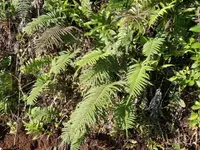
Moisture zoning

Create a slight basin or shallow swale around the planting area so water naturally collects near the fern roots, which reduces watering frequency while still avoiding standing water.

Leaf litter mulching

Use a thin layer of shredded leaf mulch instead of bark or stones to mimic woodland conditions, moderating soil temperature and supporting beneficial fungi around the root zone.

Frond health monitoring

Inspect the undersides of fronds monthly during the growing season for scale insects, caterpillars, or early signs of fungal spotting, and remove affected fronds promptly to limit spread.

Gradual site adjustment

If moving established plants to a new location, shift them in stages over 1–2 seasons by transplanting divisions into similar light and moisture conditions to reduce stress when caring for Thelypteris unita.

Common Pests and Diseases

Fern aphids

This pest feeds on young fronds and undersides of pinnae, causing pale stippling, distorted new growth, and sticky honeydew that can attract sooty mold.

Solution

Rinse fronds thoroughly with a firm stream of water, focusing on the undersides, and remove heavily infested fronds. If needed, apply insecticidal soap or a light horticultural oil, repeating every 7–10 days until new growth appears clean, and avoid overfertilizing, which can encourage aphid buildup when growing Thelypteris unita in rich, moist sites.

Scale insects

These insects attach to frond midribs and lower stipes as small, hard bumps, slowly weakening plants and causing dull, yellowing fronds.

Solution

Gently scrape or wipe individual scales off with a cotton swab dipped in isopropyl alcohol, then rinse the plant to remove residues. Improve air movement around the planting and, in persistent cases, use horticultural oil sprays directed at the stems and frond bases during mild weather, making sure the soil is not water stressed at the time of treatment.

Rhizoctonia blight

This disease appears as brown, sunken lesions at the base of fronds and along young stems, which can lead to collapse of affected fronds in dense, wet plantings.

Solution

Remove and discard all infected fronds and surface debris, then thin crowded clumps to improve airflow and reduce prolonged leaf wetness. Avoid overhead watering, keep the soil moist but not waterlogged, and if the problem persists in high-value plantings, consider a labeled fungicide drench targeting Rhizoctonia applied according to local recommendations.

Leaf spot (Cercospora-type)

This disease causes small, dark to grayish spots that may merge into irregular patches, giving fronds a scorched or patchy appearance, especially in warm, humid conditions.

Solution

Prune and dispose of affected fronds to reduce spore sources and avoid wetting foliage late in the day. Maintain good spacing and airflow, water at soil level, and in sites with recurring issues consider rotating to a different location or using a fern-safe fungicide labeled for leaf spot, applied preventively during periods of warm, humid weather.

Interesting Facts

Habitat in South Africa

This fern is native to southern Africa and is most often recorded from moist, shaded habitats such as stream banks and damp forest margins, where the soil stays relatively cool and consistently moist.

Rhizome-based growth

The species grows from a creeping rhizome, a horizontal underground stem, which allows it to slowly spread and form loose colonies in suitable, undisturbed sites.

Frond and spore features

Its fronds are typically once-pinnate with narrow pinnae, and like many thelypteroid ferns it produces spores in sori that are often protected by a small indusium, a thin membrane covering the spore clusters.

FAQs about Thelypteris unita

This fern is typically evergreen in mild, frost-free climates, holding fronds year-round. In colder regions it may act semi-evergreen or die back to the crown, then re-sprout fresh fronds in spring when conditions improve.

Grow Healthy Plants with Botan Care

Keep your plants happy and healthy with plant identification, disease detection, and easy care guidance.

Botan plant care app — identify plants on mobile

Explore More Plants