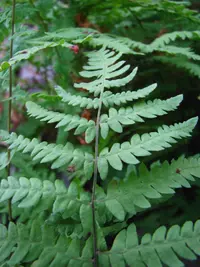
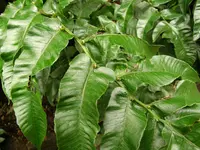
palm fern Care (Blechnum appendiculatum)

palm fern

About palm fern

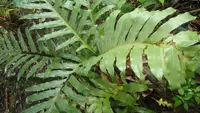
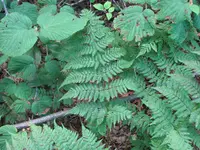
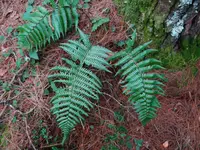
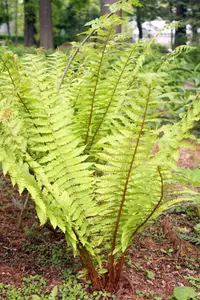
Blechnum appendiculatum, commonly called palm fern, is a terrestrial fern with a compact, rosette-forming habit and strongly divided fronds that resemble small palm leaves. It stays relatively low and dense, giving a neat, architectural look in pots or shaded beds.

This species is native to humid, shaded forests in parts of South America, where it grows in consistently moist, well-drained, humus-rich soil. Its preference for steady moisture and shelter from harsh sun makes it moderately demanding, so learning how to care for palm fern is important for long-term success.

It suits indoor or sheltered outdoor spots with soft, filtered light and stable conditions, making it appealing to fern enthusiasts who can provide regular attention.

Main Plant Requirements

Care Difficulty

Moderate Care

Light Preference

Partial Shade

Water Requirements

Keep Soil Moist

Temperature Preference

Warm Climate

Hardiness Zone

9–11

Soil Texture

Loamy, Peaty, Organic-rich

Soil pH

Acidic (5.5–6.5)

Soil Drainage

Moist but well-drained

Fertilization

Light (every 4–6 weeks)

Get Personalized Care Plan

Scan your plant to receive care tips personalized for your specific plant

Available on iOS and Android

How to Care for the palm fern

This fern prefers soft, filtered light that mimics a forest floor environment.

  • Give 2–4 hours of gentle morning sun with bright, dappled or filtered light the rest of the day; avoid harsh midday or strong afternoon sun that can scorch fronds.
  • Site palm fern in partial to full shade outdoors, under trees or on the north or east side of buildings, where it receives indirect light for most of the day.
  • In summer, protect from long periods of direct sun; in winter, allow slightly brighter light but still filtered to prevent leaf burn and drying.

This fern prefers consistently moist but not waterlogged soil.

  • Water when the top 2–3 cm of soil feels just barely dry, aiming to keep the root zone evenly damp without puddling or standing water.
  • Use rich, humus-heavy soil that drains freely; avoid compacted or clay-heavy sites that stay saturated and cause root rot or yellowing fronds.
  • In warm growing seasons, expect to water more often; in cooler months, extend intervals and watch for limp, curling fronds (too dry) or blackened, mushy bases (too wet) in Blechnum appendiculatum.

This fern prefers cool to mild, stable temperatures without extremes.

  • Ideal growth occurs at 60–75°F (16–24°C), with steady moisture and protection from drying winds that can stress the fronds.
  • It tolerates short drops to about 40°F (4°C), but prolonged exposure below 35°F (2°C) can damage or kill fronds, especially in exposed sites.
  • In hot weather above 85°F (29°C), give extra shade and humidity, as heat combined with low moisture leads to crisping leaf tips and slowed growth.

This fern needs consistently moist air and responds strongly to low humidity.

  • Aim for 60–80% humidity, as palm fern foliage stays denser and fresher when air is on the higher side.
  • In dry indoor air below 50%, fronds may brown at tips, feel crisp at the edges, and new growth may emerge deformed.
  • Increase humidity with a pebble tray under the pot, grouped plants, or a room humidifier rather than frequent misting.

Blechnum appendiculatum prefers moisture-retentive but airy soil that never becomes stagnant.

  • Use a loose, organic-rich mix such as 2 parts peat or coco coir, 1 part compost, and 1 part fine bark or perlite for structure.
  • Ensure fast drainage so water moves through in seconds, yet the mix still feels slightly damp a few hours after watering.
  • Target slightly acidic conditions around pH 5.5–6.5, avoiding limed or alkaline potting blends that can limit nutrient uptake.
  • Avoid compacted, heavy clay or pure peat; lighten dense mixes with bark, perlite, or coarse sand to improve aeration and root health.

This species adapts well to container growing when moisture and stability are controlled carefully.

  • Choose a slightly wider, medium-depth pot so the shallow fibrous roots can spread without encouraging deep, soggy soil layers.
  • Select a sturdy, heavier container material if the fronds become tall, to prevent the pot from tipping in wind or when moved.
  • Use a pot with multiple drainage holes and elevate it slightly on feet or pot risers so surplus water escapes quickly from the base.

Blechnum appendiculatum benefits from light, consistent feeding during active growth rather than heavy applications.

  • Use a balanced liquid fertilizer (around 10-10-10 or 20-20-20) at 1/4–1/2 strength for palm fern in spring and summer.
  • Apply every 4–6 weeks to moist soil, never on dry substrate to avoid root burn.
  • Reduce feeding to 1 light application in late autumn or stop entirely in winter dormancy.
  • Organic compost or a mild slow-release fern fertilizer can be mixed sparingly into the top layer at the start of the growing season.

Blechnum appendiculatum needs only light pruning focused on cleanliness and maintaining a tidy clump.

  • Best time for pruning is late winter to early spring, before strong new growth starts.
  • Remove dead, yellowing, or damaged fronds at the base with clean, sharp scissors or pruners.
  • Thin a few crowded inner fronds if airflow is poor, but keep the natural fountain shape.
  • Disinfect tools before and after use to reduce the risk of spreading fungal or bacterial problems.

This fern prefers stable conditions, so repot or transplant Blechnum appendiculatum only when clear signs of crowding appear.

  • Look for roots circling the pot, pushing through drainage holes, or noticeably slowed growth as cues to move up 1 pot size.
  • Plan repotting or outdoor transplanting in early spring so roots can re-establish during the full growing season.
  • Expect repotting every 2–3 years in containers, using a moisture-retentive, well-drained mix rich in organic matter.
  • Handle the root ball gently, loosen circling roots slightly, keep the crown at the same depth, then water thoroughly and shade from strong sun for 1–2 weeks.

Blechnum appendiculatum is usually propagated by division rather than from spores, which are slower and more technical.

  • Divide established clumps in early spring when new croziers (unfurling fronds) just start to emerge.
  • Lift the plant, then separate the rhizome into sections, each with several healthy fronds and a good root portion.
  • Replant divisions into moist, humus-rich, well-drained substrate and firm gently to remove air pockets.
  • Maintain high humidity, steady moisture, and indirect light until divisions show fresh growth, then resume normal care.

Blechnum appendiculatum carries some cold tolerance but benefits from simple winter protection in colder climates.

  • In regions below about 20–25°F, treat as marginally hardy and give extra root insulation.
  • Apply a 5–8 cm mulch layer of bark or leaf mold around the root zone, keeping it slightly away from the crown.
  • In containers, move plants to a cool, frost-free, bright spot and water sparingly so the mix never fully dries.

Care Tips

Rotate For Symmetry

Turn the pot 90° every 2–3 weeks so fronds develop evenly and the crown stays centered instead of leaning toward the strongest light source.

Refresh Tired Fronds

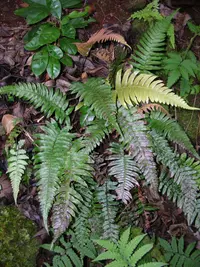
At the end of winter, remove only the oldest, dullest fronds at the base to stimulate new, compact growth without shocking the plant.

Use Shallow Topdressing

Once a year, gently loosen the top 1–2 cm of mix with a chopstick and add a thin layer of fresh, fine-textured compost or fern mix to maintain aeration around the shallow roots.

Protect Emerging Croziers

Shield new unfurling fronds from direct drafts and handling, since mechanical damage at this stage often leads to misshapen or stunted growth.

Plan Gentle Repotting

Repot just after new fronds start to emerge in spring, using a container only 2–3 cm wider and handling the root ball as a solid unit to reduce stress when growing palm fern indoors.

Common Pests and Diseases

Scale insects

These insects attach to fronds and stems, sucking sap and causing yellowing, stunted fronds, and sticky honeydew that can lead to sooty mold. This pest is more frequent in warm, sheltered indoor or greenhouse conditions where palm ferns are often grown.

Solution

Wipe fronds with a soft cloth dipped in diluted insecticidal soap, targeting the raised bumps, and repeat every 7–10 days until new growth is clean. For heavier infestations on Blechnum appendiculatum plant care, prune heavily infested fronds and improve air movement around the plant to reduce reinfestation.

Fern aphids

These insects feed on the soft rachis and new frond tips, causing distortion, puckering, and sticky residue that can attract mold. This pest is common on tender new flushes when humidity is high but air circulation is poor.

Solution

Rinse the plant thoroughly with a strong but gentle stream of water to dislodge aphids, then follow with an application of insecticidal soap or a neem-based spray, covering both sides of the fronds. Repeat at 5–7 day intervals until no new aphids appear and encourage good airflow to keep new flushes dry between waterings.

Rhizoctonia leaf blight

This disease produces irregular brown lesions along frond edges and between pinnae, often with a yellow halo, and can cause entire fronds to collapse in humid, crowded conditions. Symptoms include rapid spread along overlapping fronds in shaded, poorly ventilated sites.

Solution

Remove and discard all affected fronds, avoiding overhead watering, and keep foliage as dry as possible by watering at the soil level. Space plants for better airflow and, in persistent cases, use a labeled fungicide containing azoxystrobin or chlorothalonil according to directions to protect new fronds.

Botrytis gray mold

This disease favors cool, damp, low-light conditions and causes soft brown patches on fronds covered with gray fuzzy mold, particularly on older or damaged tissue. Symptoms include rapid tissue collapse where dead fronds or debris are left on the crown.

Solution

Promptly remove dead or damaged fronds and any fallen debris around the crown, and increase ventilation while reducing humidity spikes, especially at night. Avoid misting the foliage, water in the morning, and if needed apply a protective fungicide labeled for ornamental ferns to prevent infection on young fronds.

Fern mite

This pest is a tiny eriophyid mite that feeds inside young coiled fronds, causing distorted, hardened, or stunted fronds as they unfurl. Symptoms include uneven, rough-textured pinnae and poor overall frond expansion without obvious insects visible to the eye.

Solution

Isolate the plant, remove and discard the most distorted fronds, and increase humidity slightly while boosting airflow to reduce stress. Treat with a miticide or sulfur-based product labeled for ornamental ferns, repeating as directed, and avoid allowing new croziers to stay dry and stressed for long periods.

Interesting Facts

Southern South America native

This fern occurs naturally in temperate regions of southern South America, especially Chile and Argentina, often in moist forests and along stream banks where the soil stays cool and consistently damp.

Dimorphic frond structure

It produces two distinct frond types: sterile fronds that are broader and primarily photosynthetic, and narrower fertile fronds where the spore-bearing structures are concentrated on the undersides.

Rhizome-based growth

The plant spreads via a creeping rhizome (a horizontal underground stem), allowing it to slowly form clumps over time rather than spreading aggressively over large distances.

FAQs about palm fern

Brown tips or fronds usually come from low humidity, inconsistent watering, or excessive direct sun. Check soil moisture, raise humidity to around 50–60%, and protect it from hot drafts or heaters to prevent leaf scorch.

Grow Healthy Plants with Botan Care

Keep your plants happy and healthy with plant identification, disease detection, and easy care guidance.

Botan plant care app — identify plants on mobile

Explore More Plants