


Cool root zone
Provide a 3–5 cm layer of fine bark or leaf mold mulch around the crown to keep roots cool and moist while leaving the central growing point exposed to prevent rot.

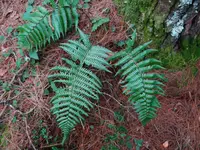
Sunset fern, Dryopteris lepidopoda, is a deciduous woodland fern valued for its colorful new fronds. Young growth often emerges copper, pink, or orange before maturing to deep green. This creates a layered, multitone effect that stands out among typical green ferns.
The plant forms neat clumps with arching fronds, making it suitable for shaded borders, underplanting around shrubs, or containers in cool, protected spots. It is native to parts of East Asia, where it grows in moist, humus-rich forest soils.
Gardeners generally find it moderate in difficulty. Consistent moisture, shade, and well-drained, organic soil are key factors in how to care for Sunset Fern.

Care Difficulty
Moderate Care

Light Preference
Partial Shade

Water Requirements
Keep Soil Moist

Temperature Preference
Cool Climate

Hardiness Zone
6–8

Soil Texture
Loamy, Peaty, Organic-rich

Soil pH
Acidic (5.5–6.5), Slightly acidic (6.5–7.0)

Soil Drainage
Moist but well-drained

Fertilization
Minimal (feed rarely)
Scan your plant to receive care tips personalized for your specific plant
Available on iOS and Android
This fern prefers cool, shaded woodland-style light with no harsh exposure.
This fern prefers consistently moist but not waterlogged soil around its shallow roots.
This species prefers mild, cool-temperate conditions with protection from extremes.
This fern prefers consistently moist air and reacts quickly to dry indoor conditions.
This species grows best in loose, humus-rich soil that stays evenly moist but never stagnant.
This fern is well suited to container growing outdoors in shaded or part-shaded positions.
This fern has modest nutrient needs, so light, consistent feeding supports healthy fronds without forcing soft, weak growth in Sunset Fern.
Dryopteris lepidopoda benefits from light, periodic cleanup rather than shaping cuts.
This fern is usually grown in the ground, but container plants and clumps benefit from occasional division and careful moving.
Dryopteris lepidopoda is most commonly propagated by division, as spore growing is slow and more advanced.
This fern is moderately cold hardy, but some winter care helps maintain frond quality in colder regions.

Plant Health Check
Not sure what's wrong with your plant? Check your plant's health inside the app.
New fronds emerge in striking copper, pink, or orange tones before gradually turning mid to dark green as they mature, giving the plant a distinctive two-tone appearance in spring and early summer.
In its native East Asian range and similarly mild regions, this fern often remains semi-evergreen, holding foliage through winter unless temperatures drop well below freezing.
This species is naturally found in shaded, humid forest habitats in parts of China, Taiwan, Japan, and the Himalayas, typically growing on moist, well-drained slopes and among leaf litter on the forest floor.

This species is commonly used by fern breeders and collectors as a parent in ornamental selections because its strong copper and pink new growth reliably passes on vivid coloration to hybrid offspring.
This fern performs best outdoors in cool, shaded, consistently moist conditions, often in woodland or shaded border plantings. It can be grown indoors, but Sunset Fern indoor care is more challenging due to its need for stable humidity and airflow.
Keep your plants happy and healthy with plant identification, disease detection, and easy care guidance.

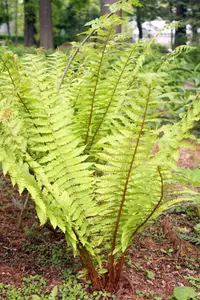
Thick-stemmed woodfern
Dryopteris crassirhizoma
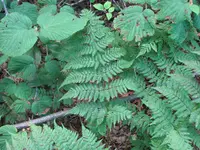
mountain woodfern
Dryopteris campyloptera
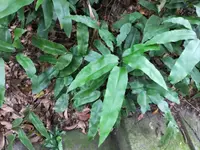
Diplazium lineolatum
Diplazium lineolatum
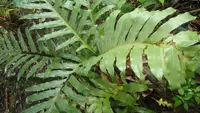
Oakleaf fern
Drynaria quercifolia
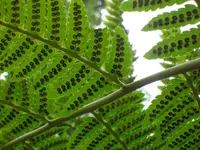
Goldie's fern
Dryopteris goldieana
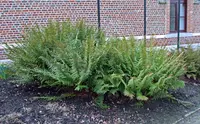
Dryopteris pseudomas
Dryopteris pseudomas
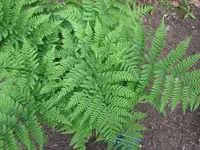
scaly buckler-fern
Dryopteris remota
Clinton's woodfern
Dryopteris clintoniana