Mulch To Cool
Apply a 3–5 cm layer of shredded leaf mold or fine bark around the crown each spring to keep roots cool, conserve moisture, and mimic the forest floor conditions this species prefers.

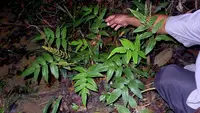
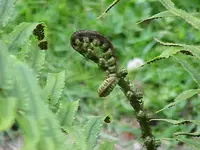
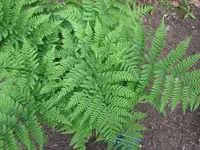
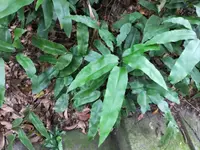
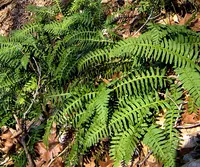
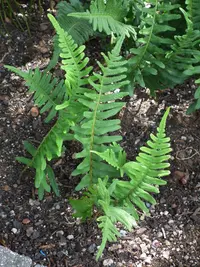
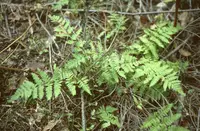
Goldie's fern, Dryopteris goldieana, is a large deciduous woodland fern valued for its bold, upright fronds and graceful, arching habit. It forms dense clumps that create a lush, architectural look in shaded gardens.
This species is native to moist, rich forests in eastern North America, where it grows on cool, sheltered slopes and along shaded ravines. It prefers consistently damp, humus-rich soil and protection from strong sun and drying winds.
With adequate moisture and shade, it is a fairly reliable and long-lived garden plant, though slow to establish compared with some common ferns. Understanding how to care for Goldie's fern mainly involves providing steady moisture, organic soil, and a stable, cool site.

Care Difficulty
Moderate Care

Light Preference
Shade

Water Requirements
Keep Soil Moist

Temperature Preference
Cold Hardy

Hardiness Zone
3–8

Soil Texture
Loamy, Silty, Organic-rich

Soil pH
Acidic (5.5–6.5), Slightly acidic (6.5–7.0)

Soil Drainage
Moist but well-drained

Fertilization
Minimal (feed rarely)
Scan your plant to receive care tips personalized for your specific plant
Available on iOS and Android
This woodland fern prefers cool, shaded conditions that mimic a forest floor.
Moist, cool soil is essential for healthy growth of this fern.
This hardy fern thrives in cool to mild outdoor conditions typical of shaded woodland gardens.
This fern prefers steady, moist air and reacts quickly to dry indoor conditions.
This species needs consistently moist, humus-rich soil that stays airy and never waterlogged.
This fern can grow successfully in containers when moisture and stability are carefully managed.
This woodland fern grows well in humus-rich soil and needs only light feeding in cultivation.
Pruning Dryopteris goldieana focuses on hygiene rather than shaping the plant.
This fern is more often transplanted in the garden than grown long term in containers.
Dryopteris goldieana is most practically propagated by division rather than from spores for home gardeners.
This fern is cold hardy in much of its range and usually needs only minimal winter attention in the ground.

Plant Health Check
Not sure what's wrong with your plant? Check your plant's health inside the app.
This fern is native to rich, moist forests of eastern North America and is most often found in cool ravines and along shaded stream banks, where calcium-rich soils and constant moisture support its growth.
Individual fronds of Goldie’s wood fern can reach about 90–120 cm tall under good conditions, making it one of the largest terrestrial ferns in its native woodland habitats.
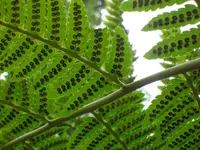
The undersides of its fronds show neat, rounded clusters of sporangia called sori, arranged in two rows between the midrib and margin of each leaflet, which helps botanists distinguish it from similar woodland ferns.

Goldie’s wood fern is considered an indicator of high-quality, relatively undisturbed hardwood forests, so its presence often signals long-term forest stability and minimal past land disturbance.
Growth is moderate. In good woodland conditions, fronds usually expand to near-mature size over 3–5 years. After that, the crown slowly enlarges, producing more fronds each season rather than gaining much extra height.
Keep your plants happy and healthy with plant identification, disease detection, and easy care guidance.