Dryopteris atrata Care

Dryopteris atrata

About Dryopteris atrata

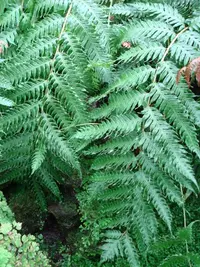
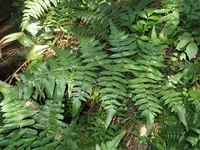
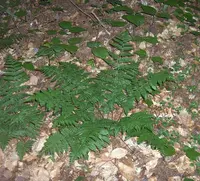
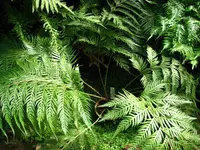
Dryopteris atrata, often called the shaggy shield fern, is a hardy deciduous fern valued for its strong, upright fronds and dark, textured scales. It forms neat clumps that give a structured, architectural look to shaded borders and woodland-style plantings.

This fern is native to parts of East Asia, where it grows in cool, moist forests and on shaded slopes. Its preference for consistent moisture, shade, and humus-rich soil makes it a good choice for temperate gardens and for those learning how to care for Dryopteris atrata.

The species is generally robust and adaptable if kept out of hot, dry sun and away from waterlogged conditions, so it suits many beginner and intermediate gardeners.


Main Plant Requirements

Care Difficulty

Moderate Care

Light Preference

Partial Shade

Water Requirements

Keep Soil Moist

Temperature Preference

Cool Climate

Hardiness Zone

5–8

Soil Texture

Loamy, Peaty, Organic-rich

Soil pH

Acidic (5.5–6.5), Slightly acidic (6.5–7.0)

Soil Drainage

Moist but well-drained

Fertilization

Minimal (feed rarely)

Get Personalized Care Plan

Scan your plant to receive care tips personalized for your specific plant

Available on iOS and Android

How to Care for the Dryopteris atrata

This fern prefers cool, shaded positions that mimic woodland understorey light.

  • Provide bright, dappled shade with 1–3 hours of gentle morning sun and no harsh afternoon sun to prevent frond scorch.
  • Site Dryopteris atrata under open shrubs, trees, or on the north or east side of buildings so it receives filtered light most of the day.
  • In summer, increase shade or add mulch if fronds pale or crisp at the edges, and in winter ensure it still receives indirect daylight.

This species prefers consistently moist, cool soil without waterlogging.

  • Water when the top 2–3 cm of soil feel slightly dry, aiming for evenly moist soil rather than cycles of soggy then dry.
  • Use humus-rich, well-drained soil; standing water or heavy clay increases risk of root rot, seen as blackened, collapsing fronds.
  • In hot, dry periods, check moisture every 1–2 days; in cool, rainy seasons, reduce watering and rely more on rainfall while monitoring for yellowing from excess moisture.

This fern grows best in cool to mild conditions and dislikes temperature extremes.

  • Optimal growth occurs around 55–70°F (13–21°C), where fronds stay firm and maintain deep color.
  • Mature plants tolerate brief drops to about 20°F (-6°C) with mulch protection, but young plants benefit from shelter from hard freezes.
  • In hot weather above 80°F (27°C), provide extra shade and soil moisture, because prolonged heat and drying winds cause frond browning and reduced vigor.

This fern prefers consistently moist air and reacts quickly to dry indoor environments.

  • Aim for 60–80% humidity, using a room humidifier or grouping plants if indoor air stays below 50%.
  • Dry air causes crisping frond tips, rolled new fronds, and slower growth in Dryopteris atrata.
  • Place the pot on a pebble tray with water below the pot base, and keep it away from heating vents or strong fans.

This fern needs loose, humus-rich soil that stays evenly moist yet drains freely.

  • Use a mix of roughly 50% peat or coco coir, 30% composted bark, and 20% perlite to mimic woodland leaf litter.
  • Soil should feel springy and crumbly, never compacted, to allow fine roots to access both air and moisture.
  • Aim for slightly acidic to neutral pH (5.5–7.0) and avoid alkaline, chalky ground that can restrict nutrient uptake in Dryopteris atrata.
  • Improve drainage and aeration in heavy ground by working in shredded leaf mold, bark fines, and coarse sand before planting.

This species grows reliably in containers if moisture and stability are managed carefully.

  • Choose a wide, relatively shallow pot to accommodate the fibrous root system and spreading crown without water collecting deep at the base.
  • Select a heavier material such as clay or ceramic to keep the container stable as fronds lengthen and catch wind.
  • Elevate the pot slightly on feet or bricks so drainage holes stay clear and excess water can escape quickly after rain or watering.

This fern grows well in humus-rich soil and benefits from light feeding in active growth.

  • Apply a balanced liquid fertilizer at 1/4–1/2 strength every 4–6 weeks in spring and summer.
  • Use compost or leaf mold as a thin top-dressing to mimic woodland soil conditions for Dryopteris atrata.
  • Avoid high-nitrogen products that promote weak, lush fronds rather than sturdy growth.
  • Stop feeding in fall and winter when growth slows or plants are dormant.

Pruning focuses on keeping the fern tidy and removing unhealthy fronds rather than reshaping it.

  • Best time for pruning Dryopteris atrata is late winter or early spring before new fronds unfurl.
  • Cut dead, damaged, or diseased fronds at the base with clean, sharp scissors or hand pruners.
  • Remove crowded or crossing fronds sparingly to maintain good air circulation without thinning the clump too much.
  • Regular removal of old fronds improves appearance and may reduce fungal issues near the crown.

Transplanting or dividing this fern is done slowly and infrequently to avoid disturbing the root system.

  • Plan to shift or divide every 3–5 years, or when roots circle the container and growth becomes sparse.
  • Move or transplant Dryopteris atrata in early spring or early fall during cooler, moist conditions.
  • Lift the plant with a wide root ball, disturb roots as little as possible, and replant at the same depth.
  • Water thoroughly after transplanting, then keep soil evenly moist and shaded for several weeks to limit transplant shock.

Propagation is usually done by division rather than from spores for reliable results at home.

  • Divide mature clumps in early spring just as new fronds emerge and before heat stress.
  • Lift the plant, then split the root mass into sections, each with several healthy crowns and roots.
  • Replant divisions into humus-rich, evenly moist soil and provide consistent shade and humidity.
  • Spore propagation is possible but slow, requiring sterile, moist substrate and warm, stable conditions.

This fern is generally cold hardy in many temperate gardens and needs only modest winter attention.

  • Dryopteris atrata tolerates typical garden frosts once established, especially in sheltered shade.
  • After hard frost, remove mushy or diseased fronds, leaving firm ones until late winter cleanup.
  • Apply a 5–8 cm layer of leaf mold or bark mulch around the crown to insulate roots in colder regions.
  • In very cold climates or containers, move pots to a frost-free but cool, shaded area to prevent root damage.

Care Tips

Crowding management

Divide older clumps every 3–4 years in early spring, lifting and splitting the rhizomes with a clean knife so each division has several healthy fronds and buds, then replant at the same depth to keep vigor high and fronds full-sized.

Mulch ring setup

Maintain a 3–5 cm ring of fine, composted bark or leaf mold around the crown without touching it, which stabilizes moisture, cools the root zone, and mimics the woodland litter this species naturally grows in.

Frond hygiene

Remove spent, yellowing, or frost-damaged fronds at the base with sterilized pruners in late winter to reduce fungal spore load and give new crosiers space and light as they unfurl.

Slug and snail control

In damp, shaded sites, place low, rough barriers (such as coarse grit or copper tape on nearby edging) and use iron phosphate bait outside the planting area to protect soft new fronds from slug and snail feeding.

Container rotation

If grown in pots, rotate the container by 90° every 2–3 weeks during active growth so the fronds develop evenly and the plant does not lean toward the brightest side, which improves symmetry when growing Dryopteris atrata in small shade gardens.

Common Pests and Diseases

Scale insects

This pest attaches to fronds and stipes, sucking sap and causing yellowing, stunted growth, and sticky honeydew on the foliage.

Solution

Remove heavily infested fronds and wipe remaining fronds with a soft cloth dipped in diluted insecticidal soap, taking care to reach the undersides and midribs. For outdoor clumps, encourage natural predators and repeat targeted soap or horticultural oil treatments every 7–10 days until new growth appears clean, which is an important part of Dryopteris atrata care instructions.

Soft fern aphids

These insects cluster along tender frond tips and undersides, causing distortion, pale patches, and sticky residue that can lead to sooty mold.

Solution

Rinse fronds thoroughly with a strong but gentle stream of water to dislodge colonies, then apply insecticidal soap or a light horticultural oil to all leaf surfaces. Improve air movement around the plant and avoid high-nitrogen fertilizer, which encourages overly soft, aphid-prone growth.

Fern mites

This pest is almost invisible to the eye and causes dull, bronzed, or rough-textured fronds that fail to unfurl properly, especially in warm, dry spots or crowded plantings.

Solution

Increase humidity around the plant, avoid placing it near hot, dry air sources, and remove badly damaged fronds. For persistent problems, use a labeled miticide or repeated applications of horticultural oil, making sure to coat both sides of each frond and maintain good spacing for airflow.

Leaf spot

This disease produces small brown to black spots that may merge into irregular patches, often starting on older fronds in humid, shaded conditions with limited airflow.

Solution

Cut off and discard affected fronds, keep water off the foliage, and water at soil level in the morning so fronds dry quickly. Improve spacing and air circulation, remove old frond debris from around the crown, and if spread continues, use a fern-safe fungicide according to the label.

Crown rot

This disease begins at the central crown, leading to blackened, mushy tissue at the base and collapse of emerging fronds, usually under waterlogged or poorly drained conditions.

Solution

Lift and inspect the plant, trimming out all soft, dark tissue and discarding severely affected sections. Replant only firm, healthy divisions into sharply drained, humus-rich soil, adjust irrigation so the soil stays moist but not saturated, and avoid burying the crown below the soil surface.

Interesting Facts

Natural Asian woodland origin

This fern is native to cool, moist forests in East Asia, especially China and Japan, where it typically grows on shaded slopes and along forest margins rather than in deep swampy sites.

Dark, contrasting fronds

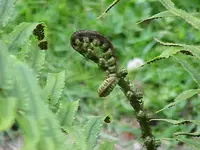
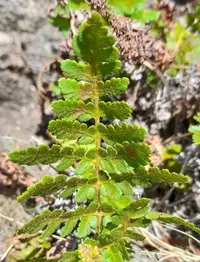
Mature fronds show a notable contrast between the deep green leaf blades and the darker, almost black stipes and midribs, which gives the species its common name black wood fern and makes it visually distinct from many other Dryopteris species.

Clumping, not spreading habit

The plant forms a tight, upright crown from a short rhizome instead of running with long stolons, so established specimens become dense clumps that expand slowly and remain more contained in garden settings.

FAQs about Dryopteris atrata

This fern is semi-evergreen in mild climates, often keeping some fronds through winter. In colder regions it behaves more deciduous, with fronds dying back and new growth emerging from the crown in spring.

Grow Healthy Plants with Botan Care

Keep your plants happy and healthy with plant identification, disease detection, and easy care guidance.

Botan plant care app — identify plants on mobile

Explore More Plants