Anemia tomentosa Care

Anemia tomentosa

About Anemia tomentosa

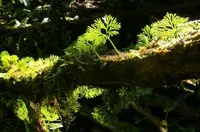
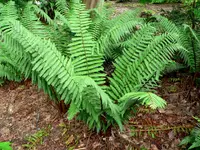
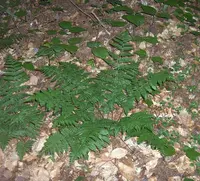
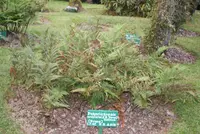
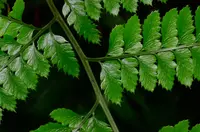
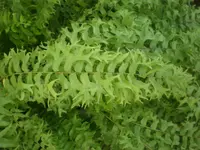
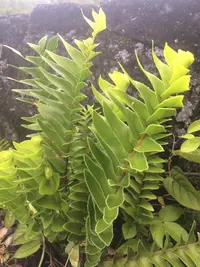
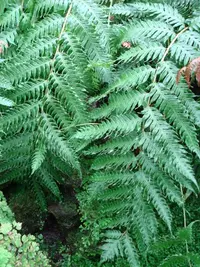
Anemia tomentosa is a small, finely textured fern known for its soft, often slightly hairy fronds that form a loose, spreading clump. It has a delicate, airy look that suits shaded garden areas and naturalistic plantings.

This species is native to parts of the Americas, where it typically grows in rocky or well-drained, humus-rich sites with consistent moisture. It prefers bright, indirect light or dappled shade and does not tolerate very dry conditions for long.

Gardeners who care for Anemia tomentosa should know it tends to be moderately demanding, mainly because it dislikes drought, waterlogging, and heavy, compacted soils. With stable moisture, protection from harsh sun, and good drainage, it can be a graceful and reliable fern.

Main Plant Requirements

Care Difficulty

Moderate Care

Light Preference

Partial Shade

Water Requirements

Keep Soil Moist

Temperature Preference

Warm Climate

Hardiness Zone

Unknown

Soil Texture

Loamy, Peaty, Organic-rich

Soil pH

Acidic (5.5–6.5)

Soil Drainage

Moist but well-drained

Fertilization

Light (every 4–6 weeks)

Get Personalized Care Plan

Scan your plant to receive care tips personalized for your specific plant

Available on iOS and Android

How to Care for the Anemia tomentosa

This fern prefers bright, filtered light that mimics a lightly shaded forest floor.

  • Provide dappled shade or light shade, such as morning sun for 2–3 hours followed by filtered light, avoiding harsh midday and afternoon sun.
  • Tolerates partial shade, but in very dense shade fronds become sparse and elongated, indicating the plant is not receiving enough light.
  • In summer, protect Anemia tomentosa from direct sun that can scorch fronds, while in cooler months it can handle a bit more early or late-day sun.

This species needs consistently moist but not waterlogged soil around its shallow roots.

  • Water when the top 2–3 cm of soil feel slightly dry, aiming to keep the root zone evenly damp without standing water.
  • Use free-draining, humus-rich soil so excess water can escape; soggy soil leads to yellowing fronds, blackened bases, and root rot.
  • In cooler months reduce frequency as growth slows, but do not let the soil fully dry; crisping frond tips and drooping fronds signal underwatering.

This fern grows best in mild, frost-free conditions with moderate temperature swings.

  • Aim for 60–77°F (16–25°C) during active growth, as sustained temperatures within this range support steady frond development.
  • Tolerates brief drops to about 40°F (4°C), but prolonged exposure near this level or light frost can damage or kill fronds.
  • In hot spells above 86°F (30°C), provide extra shade and soil moisture, since heat stress can cause frond scorch and stalled growth.

This fern prefers consistently moist air, so humidity needs attention, especially indoors.

  • Aim for 60–80% humidity; use a room humidifier or place the pot on a pebble tray with water below the pot base.
  • It tolerates brief dips to 40–50%, but prolonged dry air causes crisping frond tips and stalled new growth.
  • If Anemia tomentosa shows curling or browning edges, increase humidity by grouping plants and avoiding direct blasts from heaters or AC.

This species prefers a moist, airy, humus-rich substrate similar to a forest floor.

  • Use a loose, fine-textured mix of 50–60% composted bark or leaf mold, 20–30% peat or coco coir, and 10–20% perlite or pumice.
  • Ensure rapid but even drainage so the mix stays damp but never waterlogged, preventing root rot and rhizome suffocation.
  • Target slightly acidic soil, around pH 5.5–6.5, which supports nutrient availability for fern roots.
  • Avoid heavy clay, compacted, or fully sandy substrates; improve aeration by working in extra bark fines or perlite before planting.

This fern can be grown in containers if the pot supports its shallow, spreading root system and steady moisture.

  • Choose a wide, relatively shallow pot to match the horizontally spreading rhizomes and allow even surface coverage.
  • Select a heavier material like ceramic if outdoors, which helps stabilize the fronds against wind and reduces rapid drying.
  • Elevate the pot slightly on feet or bricks so drainage holes stay clear and excess water escapes quickly after watering.

This fern-like species prefers lean, well‑drained soil and usually needs only light feeding in cultivation.

  • Use a diluted balanced liquid fertilizer (around 10‑10‑10) at 1/4–1/2 strength during active growth in spring–summer, if foliage looks pale.
  • Apply a thin layer of fine compost on the soil surface instead of frequent liquid feeding for more natural nutrition.
  • Feed no more than once every 4–6 weeks in the growing season to avoid soft, weak growth.
  • Stop feeding in fall–winter when growth slows or fronds die back, as Anemia tomentosa is semi-dormant.

Pruning needs for Anemia tomentosa are minimal and mainly focus on hygiene and neat appearance.

  • Best time for pruning is late winter to early spring, before new fronds unfurl, or as soon as damage is noticed.
  • Remove only dead, yellowing, or damaged fronds at the base with sharp, clean scissors or hand pruners.
  • Thin out crowded, crossing fronds slightly to improve air movement and reduce fungal issues.
  • Avoid heavy cutting into living crowns; light pruning preserves the plant’s natural, airy shape and steady growth.

This species is more often grown in the ground, but container plants and young nursery stock sometimes need careful transplanting.

  • Look for roots circling the pot drainage holes, compacted soil, or stalled growth as signs it is time to move Anemia tomentosa.
  • Plan transplanting or any pot upgrade for early spring, just as new growth starts, to support quick root recovery.
  • For containers, shift only 1 pot size up every 2–3 years, using a loose, humus-rich, well‑drained mix.
  • Handle the root ball gently, loosen only the outer roots, water thoroughly after planting, and shade lightly for 3–7 days to reduce stress.

Propagation of this fern is possible but somewhat specialized, typically using spores rather than divisions.

  • Collect mature brown spores from the underside of fronds in late summer, then sow them on sterile, moist, fine peat or a similar medium.
  • Keep the tray warm at 68–75°F with high humidity and bright, indirect light to support spore germination and prothallus formation.
  • Maintain the surface just moist, not waterlogged, and avoid disturbance, as early stages are delicate and slow growing.
  • In cultivation, most gardeners rely on nursery plants rather than routine home propagation of Anemia tomentosa.

In mild climates this fern is relatively hardy, but cold regions require some focused winter care.

  • Tolerates light frosts, but sustained temperatures below about 20°F can damage crowns and roots.
  • Apply a 5–8 cm layer of loose mulch, such as shredded leaves or pine needles, over the root zone after the first hard frost.
  • In colder areas, grow Anemia tomentosa in containers and move them to a cool, frost‑free, bright shelter for winter.

Care Tips

Shield rhizomes

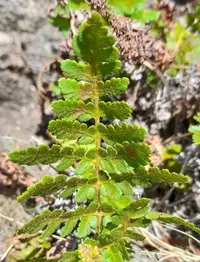
When top-dressing or mulching, keep organic material thin over the creeping rhizomes and crown so they stay cool and moist but are never deeply buried, which reduces vigor and increases rot risk.

Use live companions

Plant among low, shallow-rooted woodland species like small epimediums or violets to shade the soil surface, stabilise moisture, and protect the delicate fronds from splashback that can spread fungal spores.

Targeted slug control

Place low, shallow traps or copper tape barriers along the edge of the planting area rather than around individual plants to protect the fine fronds from slug and snail damage without constant disturbance around the crowns.

Moisture zoning

In mixed plantings, position this fern in the slightly lower, more sheltered part of the bed or trough so natural runoff keeps the root zone evenly moist without water pooling around the crown.

Gentle division timing

If clumps become crowded, divide only in early spring just as new croziers (unfurling fronds) emerge, and keep divisions large with intact rhizome sections to minimise stress when caring for Anemia tomentosa.

Common Pests and Diseases

Scale insects

This pest feeds on fronds and stems, drawing out sap and leaving sticky honeydew that can attract sooty mold. Symptoms include yellowing pinnae, slow growth, and small dome‑shaped bumps along the midribs and lower frond surfaces.

Solution

Remove heavily infested fronds and gently scrape or wipe remaining scale with a cotton pad dipped in isopropyl alcohol, then rinse the foliage. Improve airflow around the clump and repeat alcohol swabs or use a light horticultural oil spray on both frond surfaces, keeping sprays off very young, tender growth to avoid burn.

Fern aphids

These insects cluster on soft new fronds and fertile fronds, sucking sap and causing distortion, stunting, and sticky honeydew deposits. Symptoms include curled or twisted emerging fronds and a general decline in vigor.

Solution

Rinse colonies off with a firm but gentle stream of water, focusing on the undersides of young fronds. For persistent populations, treat new growth with insecticidal soap or a light horticultural oil, applied in the early morning and repeated at 5–7 day intervals until no new aphids appear.

Rhizoctonia leaf spot

This disease produces brown to black, often irregular spots that start on lower, shaded fronds and can merge into larger necrotic areas in humid, crowded plantings. Symptoms include frond blighting from the tips or margins inward, especially in warm, wet conditions or when water remains on the foliage.

Solution

Cut and discard affected fronds to reduce inoculum, then thin or divide dense clumps to increase air movement and reduce humidity around the foliage. Water at the base in the morning, keep fronds as dry as possible, and in severe or recurrent cases use a fern‑safe fungicide labeled for Rhizoctonia, following local label directions.

Pythium crown rot

This disease affects plants in poorly drained, waterlogged sites, causing dark, mushy crowns and a gradual collapse of fronds from the base. Symptoms include wilting despite moist soil, fronds that detach easily at the base, and blackened tissue at the soil line.

Solution

Remove and dispose of affected plants and any obviously rotted crown tissue, then improve drainage with raised beds, coarse organic matter, or relocation to a better‑draining site. Avoid standing water around the crown, reduce watering frequency, and, in high‑value collections, a preventively applied soil fungicide labeled for Pythium may be considered under professional guidance.

Interesting Facts

Dusty leaf coating

This fern has a dense covering of fine hairs on its fronds, giving them a grayish, felted look that reduces water loss and offers some protection from intense light in its native habitats.

Divided frond structure

The fronds are finely divided into many small segments, creating a delicate, lace-like appearance that distinguishes it from broader-leaved ferns growing in the same regions.

Habitat preferences

It typically grows on well-drained, often rocky or sandy substrates in warm regions, where its hairy fronds help it tolerate more exposed and drier conditions than many other ferns.

FAQs about Anemia tomentosa

Growth is moderate. New fronds usually appear each spring and the clump slowly enlarges over several seasons. In suitable conditions it may reach near-mature size in 3–5 years, rather than in a single season.

Grow Healthy Plants with Botan Care

Keep your plants happy and healthy with plant identification, disease detection, and easy care guidance.

Botan plant care app — identify plants on mobile

Explore More Plants