Arachniodes rhomboidea Care

Arachniodes rhomboidea

About Arachniodes rhomboidea

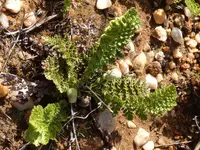
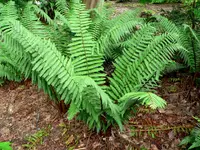
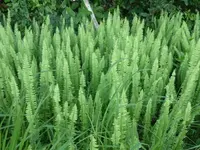
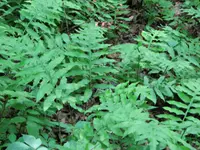
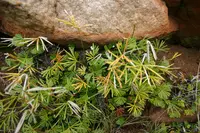
Arachniodes rhomboidea is an evergreen fern valued for its finely divided, triangular fronds and dense, arching clumps. It has a refined, layered look that suits shaded gardens and containers.

This species is native to parts of East Asia, where it grows on forest floors and moist slopes under tree cover. It prefers consistently moist, humus-rich soil and shelter from strong sun and wind.

Its slow to moderate growth, tolerance of shade, and generally steady habit make it manageable for most home gardeners. Learning how to care for Arachniodes rhomboidea mainly involves providing stable moisture and protection from drying conditions.

Main Plant Requirements

Care Difficulty

Moderate Care

Light Preference

Partial Shade

Water Requirements

Keep Soil Moist

Temperature Preference

Cool Climate

Hardiness Zone

6–9

Soil Texture

Loamy, Peaty, Organic-rich

Soil pH

Acidic (5.5–6.5), Slightly acidic (6.5–7.0)

Soil Drainage

Moist but well-drained

Fertilization

Light (every 4–6 weeks)

Get Personalized Care Plan

Scan your plant to receive care tips personalized for your specific plant

Available on iOS and Android

How to Care for the Arachniodes rhomboidea

This fern prefers soft, woodland-type light that avoids harsh midday sun.

  • Provide bright shade or dappled light, such as under open tree canopies or on an east-facing, sheltered site with 2–4 hours of gentle morning sun.
  • Protect Arachniodes rhomboidea from strong midday and afternoon sun, which can scorch fronds, cause bleaching, and dry the soil too fast.
  • In summer, increase shade or filtered light; in winter, allow slightly more indirect light where deciduous trees lose leaves, but still avoid direct low-angle sun.

This species benefits from consistently moist but never waterlogged soil.

  • Water when the top 2–3 cm of soil feel slightly dry, aiming to keep the root zone evenly damp, especially during active growth in spring and summer.
  • Ensure soil drains freely with added organic matter; poor drainage, sour smell, and black, mushy roots indicate overwatering and potential root rot.
  • Crisp, browning frond tips and lightweight soil suggest underwatering; in hot, dry spells water more often, and reduce frequency slightly in cool autumn and winter conditions.

This fern favors cool to mild conditions and dislikes temperature extremes.

  • Optimal growth occurs around 55–75°F (13–24°C), with steady moisture and protection from drying winds or hot, reflective surfaces.
  • It tolerates brief drops to about 25°F (−4°C) once established, but repeated hard freezes or unprotected frosts can damage fronds, especially young plants.
  • In summer, protect from temperatures above 86°F (30°C) with extra shade and humidity; mulching roots helps buffer both winter cold and summer heat swings.

This fern prefers consistently moist air and reacts quickly to dry conditions.

  • Aim for 60–80% humidity, as Arachniodes rhomboidea naturally grows in shaded, humid woodland habitats.
  • Crisping frond tips, pale new growth, and fronds that feel papery indicate humidity stress rather than underwatering.
  • Increase humidity with grouped plants, a room humidifier, or a wide pebble tray kept filled so evaporating water raises local moisture levels.

This species grows best in loose, humus-rich soil that holds moisture yet drains freely.

  • Use a mix of roughly 50% peat or coco coir, 30% compost, and 20% perlite or fine bark to create a fibrous, moisture-retentive structure.
  • Ensure water drains within a few seconds from the pot base; standing water around the rhizomes rapidly leads to rot.
  • Keep pH slightly acidic to neutral, around 5.5–7.0, avoiding strongly alkaline substrates that can reduce nutrient availability.
  • Improve aeration by incorporating chunky bark or coarse perlite and avoid dense clay-based mixes that compact around the roots.

This fern adapts well to container growing when root space and drainage are carefully managed.

  • Choose a pot slightly wider than deep so the creeping rhizomes can spread horizontally without becoming crowded in the center.
  • Select a heavier clay or ceramic pot outdoors to prevent the leafy, spreading fronds from tipping the container in wind.
  • Elevate the pot on feet or a stand so drainage holes stay clear and excess water escapes quickly after heavy watering or rain.

This fern grows steadily with modest feeding, so use light, consistent nutrition during the growing season.

  • Apply a balanced, diluted liquid fertilizer (e.g., 10-10-10 at 1/4–1/2 strength) every 4–6 weeks in spring and summer.
  • Alternatively, mix a small amount of slow-release fertilizer into the potting mix at the start of the season.
  • Pause feeding in fall and winter, when growth of Arachniodes rhomboidea slows and nutrient demand drops.
  • Avoid high-salt or fast-acting products that can burn sensitive roots; water beforehand to reduce risk.

Pruning needs are minimal and focus mainly on keeping the fern tidy and healthy.

  • Best time for light pruning is late winter to early spring, before new fronds unfurl.
  • Remove dead, yellowing, or damaged fronds at the base using clean, sharp scissors or pruners.
  • Thin out congested fronds slightly to improve air movement and reduce fungal issues in dense clumps.
  • Pruning older fronds gradually refreshes the appearance of Arachniodes rhomboidea without stressing the plant.

This fern prefers stable conditions, so repot or transplant only when clear signs of crowding appear.

  • Check for roots circling the pot, emerging from drainage holes, or noticeably slower growth as cues to upsize.
  • Plan repotting or outdoor transplanting in early spring, allowing a full growing season for recovery.
  • Move to a container 2–3 cm wider, using moisture-retentive, humus-rich mix, and avoid breaking the root ball excessively.
  • Water thoroughly after moving and keep shaded, evenly moist conditions for 1–2 weeks to reduce transplant shock.

Division is the most practical method for increasing Arachniodes rhomboidea in home cultivation.

  • Divide established clumps in early spring when new growth just starts to emerge.
  • Lift the plant, then separate the rhizome into sections with several healthy fronds and roots each.
  • Replant divisions into humus-rich, consistently moist, shaded sites or pots, firming soil gently around roots.
  • Maintain high humidity and even moisture until new fronds appear, indicating successful establishment.

This fern is moderately cold hardy but benefits from simple winter protection in colder climates.

  • In-ground plants tolerate light frosts but may suffer in prolonged freezes below about 20°F.
  • Apply a 5–8 cm layer of leaf mulch or compost around the root zone to buffer temperature swings.
  • Move container-grown plants into a sheltered, frost-free, bright shade location for winter.
  • Keep soil barely moist, not wet, since low temperatures slow water use and increase rot risk.

Care Tips

Divide Mature Clumps

Every 3–4 years, lift and divide congested crowns in early spring, replanting firm, healthy segments at the same depth to refresh vigor and maintain a dense, even fern patch.

Use Leaf-Litter Mulch

Apply a 3–5 cm layer of shredded leaves or fine bark around the rhizomes each autumn to mimic woodland duff, moderating soil temperature and protecting shallow roots from drying out.

Protect New Fronds

When new croziers are unfurling, avoid overhead watering and heavy handling, and use temporary wind protection outdoors so the soft fronds do not bend, snap, or deform.

Root-Zone Cooling

In warmer climates, interplant with low groundcovers or place inert stones over the soil surface to shade the root zone and reduce heat stress during hot spells.

Monitor Frond Longevity

Mark the oldest fronds and remove them once they lose color or firmness, which helps maintain airflow, reduces fungal pressure, and makes it easier to track overall health when caring for Arachniodes rhomboidea.

Common Pests and Diseases

Scale insects

This pest often settles along the midribs and undersides of fronds, forming small brown or tan bumps that suck sap and weaken growth. Symptoms include yellowing pinnae, sticky honeydew, and sometimes sooty mold on the fronds.

Solution

Remove heavily infested fronds and gently scrape or wipe remaining insects off with a cotton pad soaked in 70% isopropyl alcohol, taking care not to damage the thin leaf tissue. For ongoing control, rinse fronds thoroughly with lukewarm water, then apply a light horticultural oil to both leaf surfaces and repeat every 7–10 days until new growth appears clean.

Fern aphids

These insects cluster on tender fiddleheads and young fronds, sucking sap and causing distortion, curling, and pale patches. This pest excretes honeydew, which can promote black sooty mold on the delicate foliage.

Solution

Shower the plant with a gentle but thorough stream of water to dislodge aphids from all frond surfaces, especially new growth. Follow up with a ready-to-use insecticidal soap, applied in the evening to both sides of the fronds, repeating weekly until no live aphids are seen, and avoid overfertilizing to reduce soft, aphid-prone growth when caring for Arachniodes rhomboidea.

Rhizoctonia leaf blight

This disease produces irregular tan to dark brown lesions starting at frond bases or along crowded fronds, sometimes with a water-soaked margin. Symptoms include rapid collapse of affected pinnae and a patchy, thinned clump, especially in warm, stagnant, high-humidity conditions.

Solution

Promptly remove and discard infected fronds, cutting back into healthy tissue, and improve air movement around the plant by thinning crowded fronds and avoiding overhead watering. Allow the surface of the potting mix to dry slightly between waterings, keep foliage dry, and in severe cases use a labeled fungicide for foliar blights on ferns according to package directions.

Bacterial blight

This disease causes small translucent spots that turn dark brown or black and may have a yellow halo, often spreading along the leaf veins on mature fronds. Symptoms include rapid spotting after splashing water, especially in warm conditions, and affected fronds can die back prematurely.

Solution

Isolate the plant, remove and discard all visibly spotted fronds, and avoid misting or any overhead watering that wets the foliage. Water at the soil level in the morning so fronds dry quickly, increase air circulation, and keep tools and cutting blades disinfected to prevent spread to healthy tissue.

Two-spotted spider mites

This pest attacks fronds in dry indoor air, producing fine webbing and giving the foliage a dull, gray-green, stippled appearance. Symptoms include slow growth, frond edge browning, and premature leaf drop under low humidity and high warmth, typical of Arachniodes rhomboidea indoor care problems.

Solution

Increase ambient humidity to above 50% and rinse both sides of the fronds with a gentle shower, repeating several times per week to break the mite cycle. For persistent infestations, apply insecticidal soap or a light horticultural oil to all frond surfaces every 5–7 days for several cycles, and keep the plant away from hot, dry air vents.

Interesting Facts

Spiderweb-like frond pattern

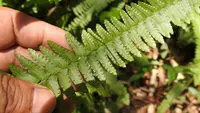
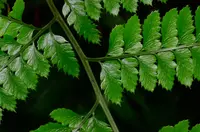
The fronds of this species have a distinctive, finely divided, netted pattern that led to its common name Chinese ladder brake and links it to the spider fern group within Arachniodes.

Native to East Asian forests

This fern occurs naturally in shaded, humid woodlands of China and parts of East Asia, where it grows on forest floors and rocky slopes under closed tree canopies.

Evergreen in mild climates

In regions with mild winters, its fronds often remain green year-round, functioning as a stable ground layer in understory plant communities.

FAQs about Arachniodes rhomboidea

This species is an evergreen fern, keeping its fronds year-round in mild conditions. In colder climates, fronds may become tatty or partially die back in winter but usually re-sprout from the crown in spring.

Grow Healthy Plants with Botan Care

Keep your plants happy and healthy with plant identification, disease detection, and easy care guidance.

Botan plant care app — identify plants on mobile

Explore More Plants