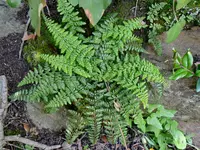
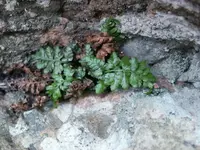
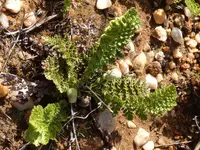
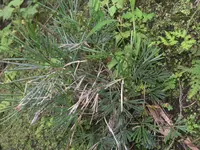
netted chainfern Care (Woodwardia areolata)

netted chainfern

About netted chainfern

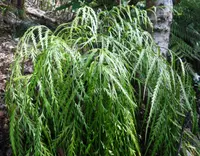
Netted chainfern, Woodwardia areolata, is a deciduous fern native to moist woodlands and boggy areas in eastern North America. It forms spreading colonies from creeping rhizomes, creating low, arching clumps of fronds.

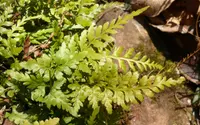
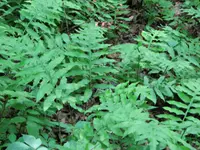
The fronds are finely divided with a distinctive netted pattern of veins, giving the plant a delicate but structured look. In suitable conditions it can slowly naturalize, making it useful for shaded, damp garden areas.

This fern prefers consistently moist, acidic, humus-rich soil and dappled to full shade, similar to its natural forest-floor habitats. Once the site is well chosen and soil moisture is stable, it is relatively low-maintenance, and learning how to care for netted chainfern mainly involves providing steady moisture and shade.

Main Plant Requirements

Care Difficulty

Moderate Care

Light Preference

Partial Shade

Water Requirements

Keep Soil Moist

Temperature Preference

Cold Hardy

Hardiness Zone

3–8

Soil Texture

Loamy, Silty, Organic-rich

Soil pH

Strongly acidic (4.5–5.5), Acidic (5.5–6.5)

Soil Drainage

Waterlogged tolerant

Fertilization

Minimal (feed rarely)

Get Personalized Care Plan

Scan your plant to receive care tips personalized for your specific plant

Available on iOS and Android

How to Care for the netted chainfern

This woodland fern prefers consistent shade to soft, filtered light rather than direct sun exposure.

  • Provide bright dappled shade or high, filtered light with 1–3 hours of gentle morning sun; avoid harsh midday and afternoon sun that can scorch fronds.
  • Site netted chainfern under deciduous trees so it receives more light in spring, then natural shade once the canopy fills in for summer.
  • Watch foliage: pale, crisped tips indicate too much sun, while sparse, elongated fronds suggest the plant needs slightly brighter, indirect light.

This species thrives in consistently moist, humus-rich soil and does not tolerate drying out.

  • In the ground, aim for soil that stays evenly damp, allowing only the top 1–2 cm to lose surface sheen before the next thorough soak.
  • During hot, dry periods, increase watering so the root zone never fully dries; reduce frequency slightly in cool autumn while keeping the soil moist.
  • Monitor fronds: drooping, crisp edges signal underwatering, while blackened, limp bases or sour-smelling soil indicate poor drainage and possible overwatering of Woodwardia areolata.

This fern favors cool to mild conditions and tolerates significant winter cold when established outdoors.

  • Provide optimal growing conditions at 60–75°F (16–24°C), typical of shaded woodland understories in spring and early summer.
  • Mature plants are hardy to about -10°F (-23°C) with mulch protection, but repeated freeze–thaw cycles in poorly drained soil can damage rhizomes.
  • In summer, protect from hot, exposed sites above 85°F (29°C) by ensuring shade, consistent soil moisture, and a leaf-litter mulch to buffer heat and temperature swings.

This fern prefers consistently moist air and benefits from elevated humidity.

  • Aim for 60–80% humidity; it tolerates brief dips lower but suffers in very dry heated rooms.
  • Crisping frond tips, stalled growth, and curling pinnae indicate humidity stress in netted chainfern.
  • Increase humidity with a nearby humidifier, grouped plants, or a wide pebble tray, but avoid wetting fronds constantly.

This species thrives in consistently moist, organic-rich, slightly acidic substrate that mimics wet woodland or bog edges.

  • Use a loose, peaty, high-organic mix such as 2 parts leaf mold or compost, 1 part fine pine bark, and 1 part sand.
  • Ensure soil stays evenly moist but not stagnant; it should drain slowly, never forming a waterlogged layer for long periods.
  • Target a pH around 5.0–6.0, avoiding liming materials that push the soil toward alkaline conditions.
  • To improve aeration in heavy mixes, incorporate fine bark and coarse sand rather than large amounts of perlite, which can float in very wet setups.

This species can grow in containers if the pot is set up to maintain constant moisture without stagnation.

  • Choose a deep, relatively narrow pot to keep the root zone cool and slow evaporation while still allowing excess water to exit freely.
  • Use a heavier material such as ceramic to stabilize the spreading fronds and prevent wind from tipping the container in outdoor shade.
  • Elevate the pot slightly on feet or bricks so drainage holes never sit in collected runoff, reducing anaerobic conditions at the base.

This native fern grows well in modest soils, so fertilizing netted chainfern should be light and conservative.

  • Use a balanced, slow-release fertilizer or thin layer of compost in early spring as new fronds emerge.
  • Feed once per growing season in fertile garden soil, or up to 2–3 times in poor, sandy soil.
  • Dilute liquid fertilizer to 1/4–1/2 strength to avoid burning delicate roots and fronds.
  • Stop feeding in fall and winter when growth slows or plants are dormant.

Pruning Woodwardia areolata focuses on cleanliness and light shaping rather than heavy cutting.

  • Best timing is late winter to early spring before strong new growth, or after fronds brown in fall.
  • Remove dead, yellowing, diseased, or storm-damaged fronds at the base with clean, sharp pruners.
  • Thin a few crowded fronds from the center to improve air flow and maintain a neat, open clump.
  • Avoid cutting healthy green fronds heavily, since this reduces photosynthesis and weakens the plant.

This fern is more often transplanted in the ground than repotted, but container plants still need occasional attention.

  • Transplant or repot in early spring or early fall when temperatures are mild and soil is moist.
  • Look for roots circling the pot, crowded crowns, or slowed growth as signs it needs a larger space.
  • Move clumps into a hole or container 2–3 in wider, keeping the crown at the same soil level.
  • Water thoroughly, keep evenly moist, and shade from strong sun for 1–2 weeks to limit transplant shock.

Woodwardia areolata is most commonly propagated by division of established clumps.

  • Divide in early spring as new fiddleheads appear, when soil is moist and workable.
  • Lift the clump carefully, then separate it into sections with several healthy fronds and firm rhizomes.
  • Replant divisions at the original depth in consistently moist, humus-rich, shaded soil.
  • Water well after planting and maintain high humidity and even moisture until new growth establishes.

This fern is generally cold hardy in much of its native range and needs only light winter care outdoors.

  • Tolerates typical freezes in USDA zones where it is native, but very exposed sites can cause frond burn.
  • Apply a 5–7 cm layer of leaf mold or bark mulch around the root zone after hard frosts, keeping mulch off the crown.
  • Container plants in colder zones can be moved into an unheated garage or porch to avoid deep soil freezing.

Care Tips

Edge moisture trench

Create a shallow 3–5 cm trench around the planting area and fill it with shredded leaf mold or fine bark to hold extra moisture at the root zone and reduce stress during short dry spells.

Seasonal frond thinning

In late winter, selectively remove only the oldest, most tattered fronds at the base to improve air movement through the crown and reduce fungal spotting when new growth emerges.

Rhizome expansion control

Check the planting area every spring and cut back or lift and replant creeping rhizomes that are moving into paths or drier ground to keep the colony dense and healthy where conditions are best.

Floodplain-style mulching

After heavy rains, rake washed leaves and forest litter back over the root zone rather than removing them, mimicking natural floodplain accumulation and helping maintain cool, evenly moist soil for growing netted chainfern.

Site micrograding

On slightly sloped sites, form a broad, shallow basin or terrace to slow runoff and let water infiltrate near the roots, especially useful in light soils that drain quickly.

Common Pests and Diseases

Fern aphids

This pest feeds on the tender fronds and rachis, causing distortion, curled tips, and sticky honeydew that can lead to sooty mold growth.

Solution

Rinse colonies off the fronds with a firm stream of water, then spot-treat remaining clusters with insecticidal soap or a ready-to-use horticultural oil, making sure to wet both upper and lower leaf surfaces. In shady wetland gardens, encourage natural predators like lady beetles by avoiding broad-spectrum insecticides and limiting nitrogen-heavy fertilization.

Scale insects

These insects appear as small, immobile bumps on stipes and lower leaf surfaces, slowly weakening the fern and sometimes causing yellowing or patchy dieback.

Solution

Gently scrape or wipe individual scales off with a cotton swab dipped in isopropyl alcohol, then follow with an application of light horticultural oil to smother remaining juveniles. Repeat inspections every 7–10 days until new crawlers are no longer seen, and improve air circulation around dense plantings to reduce reinfestation pressure.

Fern rust

This disease causes orange to rusty-brown pustules on the underside of fronds, sometimes leading to premature browning and drop of affected foliage in moist, shaded sites.

Solution

Promptly remove and discard infected fronds to reduce spore spread, cutting them back to healthy tissue and keeping debris out of the planting area. Avoid prolonged leaf wetness by watering at soil level where possible, space plants for better airflow, and in severe recurring cases consider a labeled copper- or sulfur-based fungicide applied according to local regulations as part of broader Woodwardia areolata care.

Leaf spot fungi

This disease produces small dark brown to black spots that may coalesce into larger blotches, especially in warm, humid conditions with poor air movement.

Solution

Cut off and discard heavily spotted fronds to limit inoculum, sterilizing pruners between plants. Reduce overhead watering, maintain good spacing, and use a preventive fungicide labeled for ornamental ferns only if cultural adjustments do not stop new spotting.

Slugs and snails

These pests chew irregular holes in young fronds and can skeletonize emerging fiddleheads in cool, damp woodland beds.

Solution

Hand-pick slugs and snails in the evening or early morning and remove hiding places such as boards or dense ground litter near the fern clump. Use iron phosphate slug baits labeled for ornamental beds, applied according to directions, and maintain an even mulch layer that is not piled tightly against the fern crowns to reduce shelter sites.

Interesting Facts

Eastern North American native

This fern is naturally distributed across the eastern United States and southeastern Canada, especially in coastal plains and lowland forests, where it forms colonies in wet, acidic soils along streams and swamps.

Distinctive netted veins

The specific epithet areolata refers to the clearly visible network of cross-veins on the fertile fronds, which create a netted pattern around the spore-bearing sori, helping distinguish it from many similar-looking marsh ferns.

Seasonally dimorphic fronds

This species produces both sterile and fertile fronds that differ in shape and texture, with the fertile fronds often taller, narrower, and more rigid, optimized for spore production and dispersal.

Botan icon

Did you know?

Unlike many evergreen ferns, this species is typically deciduous in much of its range, dying back in winter and re-emerging from its rhizomes in spring, which helps it tolerate cold conditions in northern climates.

FAQs about netted chainfern

Yellowing fronds usually result from water stress, nutrient-poor or compacted soil, or aging foliage. Check for soggy or very dry substrate, improve drainage, and remove oldest fronds. Persistent yellowing may indicate root rot or mineral deficiency.

Grow Healthy Plants with Botan Care

Keep your plants happy and healthy with plant identification, disease detection, and easy care guidance.

Botan plant care app — identify plants on mobile

Explore More Plants