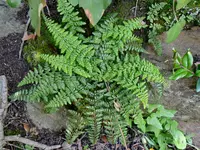
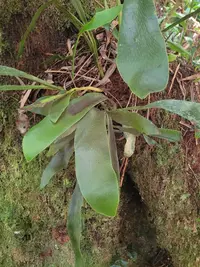
black spleenwort Care (Asplenium adiantum-nigrum)

black spleenwort

About black spleenwort

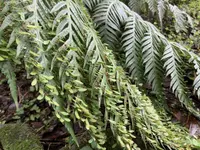
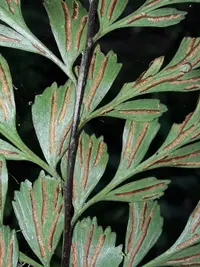
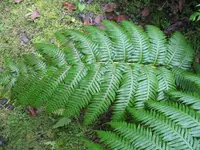
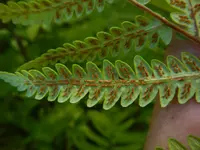
Black spleenwort, Asplenium adiantum-nigrum, is a small evergreen fern with delicate, triangular fronds and a compact, clumping growth habit. It stays low and finely textured, making it suitable for rock gardens, shaded borders, and container displays.

This fern occurs naturally on rocky slopes, walls, and crevices across parts of Europe, North Africa, and western Asia, often in mild, humid climates. It prefers cool, shaded to partially shaded spots, consistent moisture, and well-drained, humus-rich substrates.

Its modest size and steady but not fast growth make it manageable for intermediate gardeners. Understanding how to care for black spleenwort mainly involves providing stable moisture, shelter from harsh sun, and avoiding waterlogged conditions.

Main Plant Requirements

Care Difficulty

Moderate Care

Light Preference

Partial Shade

Water Requirements

Keep Soil Moist

Temperature Preference

Cool Climate

Hardiness Zone

6–9

Soil Texture

Loamy, Peaty, Organic-rich

Soil pH

Acidic (5.5–6.5), Slightly acidic (6.5–7.0)

Soil Drainage

Moist but well-drained

Fertilization

Minimal (feed rarely)

Get Personalized Care Plan

Scan your plant to receive care tips personalized for your specific plant

Available on iOS and Android

How to Care for the black spleenwort

This fern prefers soft, indirect light that mimics woodland or north-facing slopes.

  • Provide bright, filtered light or light dappled shade, with 2–4 hours of gentle morning sun and protection from harsh midday and afternoon sun.
  • In the ground, plant black spleenwort where it receives partial shade, such as the east or north side of rocks, walls, or shrubs that break direct sun.
  • In summer, shield from strong sun to prevent frond scorch; in winter, slightly brighter exposure helps compensate for shorter days.

This fern prefers consistently moist but not waterlogged soil.

  • Water when the top 2–3 cm of soil feel barely dry, aiming to keep the root zone evenly damp rather than cycling between very dry and saturated.
  • Use a free-draining, humus-rich soil so excess water can drain away; water slowly so moisture soaks in without pooling around the rhizomes.
  • Reduce watering slightly in cool seasons, watching for limp, crisping fronds as a sign of underwatering and black, mushy bases as a sign of overwatering in Asplenium adiantum-nigrum.

This species is a cool- to mild-climate fern with moderate tolerance to both heat and cold.

  • Aim for active growth in 55–70°F (13–21°C), where fronds stay firm and new croziers unfurl steadily.
  • Mature plants can tolerate short dips to about 20–25°F (-7 to -4°C) if well rooted and mulched, but repeated hard freezes may damage fronds.
  • Above 80–85°F (27–29°C), provide shade, extra humidity, and consistent soil moisture, as prolonged heat combined with dry conditions can cause frond browning and stress.

This fern prefers consistently moist air and reacts quickly to very dry conditions.

  • Aim for 50–70% humidity; it tolerates brief dips lower but not prolonged very dry air near heaters or vents.
  • Crisping frond tips, stalled new fronds, and pale edges indicate humidity stress rather than underwatering.
  • Increase moisture by grouping pots, using a pebble tray with water under the container, or running a small humidifier nearby.

This fern needs loose, humus-rich soil that drains freely yet stays evenly moist.

  • Use a mix of roughly 50% peat-free compost, 25% fine bark, and 25% perlite or pumice for a fibrous, airy structure.
  • Aim for slightly acidic to neutral pH, around 5.5–7.0, which supports nutrient uptake and healthy root growth in Asplenium adiantum-nigrum.
  • Ensure fast drainage so water runs through in seconds, but the mix still feels lightly damp rather than waterlogged after watering.
  • Avoid heavy clay, compacted garden soil, or mixes with slow-draining fine sand that can suffocate roots and encourage rot.

This species adapts well to container growing when root space and drainage are managed carefully.

  • Choose a pot just 2–4 cm wider than the root mass so the mix dries evenly instead of staying wet in unused corners.
  • Select a container material that matches your climate, using terracotta to shed moisture faster in cool, damp areas and plastic to slow drying in hot, windy spots.
  • Stabilize shallow, spreading clumps by using a wider, low-profile pot that keeps the crown above the rim and reduces the risk of tipping in strong wind.

This fern grows naturally in low-nutrient habitats, so black spleenwort needs only light, careful fertilizing in pots or poor soils.

  • Use a balanced liquid fertilizer (for example 10-10-10) at 1/4–1/2 strength during active growth in spring–summer.
  • Feed every 4–6 weeks if growth is modest; skip doses if fronds look lush and healthy.
  • Avoid fertilizing in winter or when growth is very slow to prevent salt buildup in the soil.
  • Prefer compost-rich, loose mix and flush the pot with plain water a few times per season to clear excess nutrients.

Pruning Asplenium adiantum-nigrum focuses on hygiene and light shaping rather than strong cutting back.

  • Best timing is late winter or early spring before new fronds fully unfurl, with light touch-throughs in summer.
  • Remove dead, yellowing, or damaged fronds at the base to reduce disease risk and keep the fern tidy.
  • Thin out badly crowded or inward-bending fronds to improve air movement and highlight the fern’s arching shape.
  • Use clean, sharp scissors or pruners, disinfecting blades before and after to limit spread of fungal problems.

This fern prefers stable conditions, so repot or transplant Asplenium adiantum-nigrum only when clear signs appear.

  • Look for roots circling the pot, poking from drainage holes, rapid drying of the mix, or slowing growth as cues to repot.
  • Aim to repot every 2–3 years in early spring, moving to a container only 2–3 cm wider with good drainage.
  • Handle the root ball gently, loosening circling roots slightly without tearing; keep existing soil around fine roots.
  • Water thoroughly after potting, keep in shaded, humid conditions for 1–2 weeks, and avoid fertilizing until new growth appears.

Propagation of Asplenium adiantum-nigrum is possible but slower and more technical than many common houseplants.

  • Division is the most practical method, done in early spring when new croziers (coiled fronds) start to emerge.
  • Lift or unpot the fern and split the crown into sections, each with healthy roots and several fronds.
  • Replant divisions into moist, humus-rich, sharply drained mix and keep in bright shade with high humidity.
  • Spore sowing is possible on sterile, fine media kept evenly moist and warm but takes patience and careful hygiene.

This fern is moderately cold hardy outdoors but appreciates some winter protection, especially in containers and colder regions.

  • In the ground, add a 3–5 cm layer of leaf mold or compost around the crown to insulate roots, keeping mulch off fronds.
  • In very cold or exposed sites, use evergreen boughs or a breathable cover to shield fronds from drying winds and deep frost.
  • Move container plants into a cool, bright, frost-free place (around 40–50°F), keeping soil just slightly moist, not wet.

Care Tips

Rocky pocket planting

Tuck the root ball into narrow rock crevices or between stones with gritty mix packed around the crown, which mimics its natural habitat and helps prevent rot in heavy garden soils.

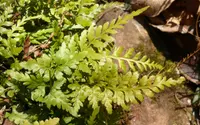
Cool-root mulching

Apply a thin, airy mulch of fine gravel or crushed bark around but not over the crown to keep roots cool, suppress moss, and reduce soil splash on fronds.

Frond edge grooming

Periodically trim only the most tattered outer fronds at the base with clean scissors to maintain a compact clump and improve airflow through the center of the plant.

Container anchoring

In pots, place a few clean, heavy stones on the mix surface around the crown to stabilize shallow roots and prevent wobbling or uprooting from wind or handling.

Winter wet management

In regions with cold, wet winters, grow Asplenium adiantum-nigrum in a slightly tilted container or raised crevice so excess water drains quickly away from the crown during the dormant period.

Common Pests and Diseases

Scale insects

This pest attaches to frond midribs and undersides, sucking sap and causing yellowing, stunted fronds, and sticky honeydew that may support sooty mold. Infestations are often first noticed as small brown or tan bumps along the frond and rachis.

Solution

Remove heavily infested fronds and gently scrape or wipe insects off remaining fronds with a cotton pad dipped in diluted insecticidal soap or horticultural oil, taking care not to saturate the crown. Improve air movement around the fern, avoid excess fertilizer that encourages soft growth, and repeat treatments every 7–10 days until no new scale appears.

Fern aphids

These insects colonize tender new fronds and rachises, sucking sap and causing distortion, wilting, and sticky honeydew. Symptoms include curling or misshapen emerging fronds and clusters of small soft-bodied insects on the underside of foliage.

Solution

Rinse fronds thoroughly with a gentle stream of water to dislodge aphids, then treat remaining insects with a ready-to-use insecticidal soap sprayed on both upper and lower leaf surfaces. Reduce nitrogen-rich feeding, monitor young growth closely, and repeat soap applications every few days until the population collapses.

Rhizoctonia crown rot

This disease affects the crown and upper roots, especially in poorly drained or compacted substrates, leading to wilting, blackening at the crown, and rapid frond collapse. Symptoms include a brown to black, somewhat dry rot at the base of the plant while potting mix may remain only slightly wet.

Solution

Discard severely affected plants, as recovery is rare, and avoid reusing contaminated soil or pots without thorough disinfection. For early cases, remove all diseased tissue, repot in a clean, well-drained, slightly acidic fern mix, keep watering conservative but regular, and maintain good air circulation with moderate, stable temperatures as part of Asplenium adiantum-nigrum care instructions.

Botrytis leaf blight

This disease appears in cool, humid, stagnant air as brown, water-soaked spots on fronds that may develop gray fuzzy spore growth. Symptoms include blighted pinnae that rapidly spread across closely packed foliage, especially where dead frond tips remain on the plant.

Solution

Remove and discard all affected fronds and any dead plant debris from around the crown, and improve air circulation by spacing plants and avoiding overhead watering in cool conditions. Allow the fronds to dry between waterings, reduce relative humidity slightly, and if necessary apply a labeled fungicide for ornamental ferns as a short-term protective measure.

Fern leaf nematodes

These microscopic worms move in free water films on fronds and in the soil, causing irregular yellow, tan, or brown patches between veins that can merge and kill pinnae. Symptoms include mottled, deformed fronds that worsen over time even under correct moisture and light conditions.

Solution

Destroy severely infested plants, since effective home treatments are limited, and avoid propagating from suspect stock. For valuable plants with mild symptoms, remove and discard affected fronds, improve drainage, reduce overhead watering and leaf wetness, and keep foliage dry by watering only at the soil level to slow further spread.

Interesting Facts

Ancient stone-wall specialist

In much of Europe, this fern naturally colonizes old stone walls, ruins, and mortared rockwork, taking advantage of lime-rich crevices that mimic its native cliff habitats.

Dual reproductive strategy

It spreads both by wind-dispersed spores and by short, creeping rhizomes, which allows a single plant to anchor in a rock crack while its offspring slowly form small clumps around it.

Cold-tolerant evergreen fronds

Unlike many delicate ferns, its glossy, triangular fronds can remain evergreen in mild to moderately cold climates, only dying back completely in harsher winters and resprouting from the crown.

Botan icon

Did you know?

Fossil and phylogenetic studies indicate that Asplenium adiantum-nigrum belongs to an ancient fern lineage, and its present-day distribution from Macaronesia through Europe to western Asia reflects a long history of surviving major climatic shifts in specialized rocky refuges.

FAQs about black spleenwort

Fronds usually brown from low humidity, irregular watering, or excess direct sun. Check soil moisture, increase humidity, and protect from hot drafts. Old fronds also age and brown naturally; trim them to keep the plant tidy.

Grow Healthy Plants with Botan Care

Keep your plants happy and healthy with plant identification, disease detection, and easy care guidance.

Botan plant care app — identify plants on mobile

Explore More Plants