Woodwardia prolifera Care

About Woodwardia prolifera

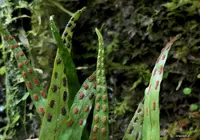
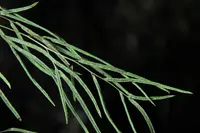
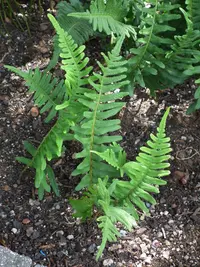
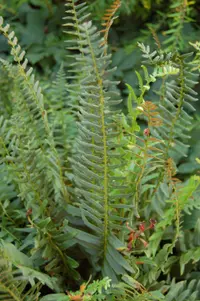
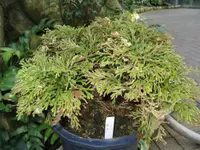
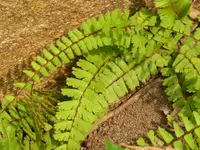
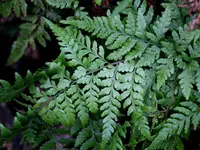
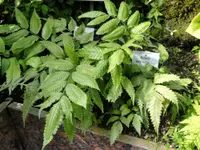
Woodwardia prolifera, often called the chain fern, is a evergreen to semi-evergreen fern with long, arching fronds that form a broad, graceful clump. The fronds carry many small plantlets along their length, which can root when they touch moist soil and gradually create a dense colony.

This species naturally occurs in humid, subtropical to tropical forests of Asia, typically near streams or in consistently damp ground. It suits gardeners who can provide steady moisture and shade, so understanding how to care for Woodwardia prolifera focuses mainly on keeping its roots cool and evenly moist.

It is moderately easy to grow where summers are not extremely dry or hot, especially in sheltered, woodland-style gardens with rich, organic, well-drained soil.

Main Plant Requirements

Care Difficulty

Moderate Care

Light Preference

Partial Shade

Water Requirements

Keep Soil Moist

Temperature Preference

Warm Climate

Hardiness Zone

9–11

Soil Texture

Loamy, Peaty, Organic-rich

Soil pH

Acidic (5.5–6.5), Slightly acidic (6.5–7.0)

Soil Drainage

Moist but well-drained

Fertilization

Minimal (feed rarely)

Get Personalized Care Plan

Scan your plant to receive care tips personalized for your specific plant

Available on iOS and Android

How to Care for the Woodwardia prolifera

This fern prefers cool, shaded woodland-type light rather than direct sun exposure.

  • Provide bright dappled shade or full shade with brief early morning sun only, aiming for 1–3 hours of low-angle light and the rest of the day in filtered shade.
  • Avoid strong midday or afternoon sun, which can scorch fronds, cause bleaching, and dry out the soil too quickly, especially in warmer climates.
  • In summer, increase shade or use overhead filtering from trees; in cooler seasons, slightly more open shade helps Woodwardia prolifera maintain healthy, upright fronds.

This fern thrives in consistently moist, never dry, soil that does not stay waterlogged.

  • Aim for soil that feels evenly damp at 3–5 cm depth; water when the surface just begins to lose its sheen, especially during active growth in spring and summer.
  • Use rich, humus-heavy soil that drains slowly but does not form standing water; persistent puddling, sour smell, or yellowing fronds indicate overwatering or poor drainage.
  • Increase watering frequency during hot, dry periods and near-drought, and reduce slightly in cool weather, watching for limp, crisping frond tips as a sign of underwatering.

This fern grows best in cool, mild conditions without temperature extremes.

  • Ideal growing temperatures are 55–75°F (13–24°C), with steady moisture and shade; growth slows outside this range but resumes when conditions stabilize.
  • Tolerates brief drops to about 25°F (-4°C) once established, but repeated freezes or hard frosts can damage fronds, so mulch crowns well in colder climates.
  • Handles short heat spells up to about 85°F (29°C) if soil stays moist and shade is deep; above this, fronds may scorch or collapse, so increase watering and humidity.

This fern prefers humid air and reacts quickly to drying out.

  • Aim for 60–80% humidity; it tolerates short dips to 40–50% but fronds may brown at the tips.
  • Watch for crisping pinnae edges and stalled frond expansion as signs of low humidity stress.
  • Increase humidity with a nearby humidifier, grouped plants, or a pebble tray, rather than misting fronds directly.

This species needs consistently moist, organic-rich soil that still allows air around the roots.

  • Use a loose, humus-rich mix such as 2 parts peat-free compost, 1 part fine bark, and 1 part perlite for structure and aeration.
  • Aim for slightly acidic soil, roughly pH 5.5–6.5, which supports nutrient uptake and healthy fern growth.
  • Keep the mix evenly moist but never waterlogged; excess water must drain freely to prevent root rot and suffocation.
  • Avoid heavy clay, compacted ground, or pure sand; amend with compost and fine bark to hold moisture while avoiding stagnation for Woodwardia prolifera.

This fern can be grown in containers if moisture and stability are carefully managed.

  • Choose a wide, relatively shallow pot to accommodate spreading rhizomes without forcing them into tight coils.
  • Select a heavier material such as ceramic if exposed to wind, as arching fronds can make the container unstable.
  • Fill the bottom layer with coarse material matching the potting mix texture instead of rocks, so drainage improves without creating a perched water table.

This fern grows well in humus-rich soil and only needs light feeding in containers or poor ground.

  • Use a balanced, dilute liquid fertilizer (around 1/4 strength) or fine compost tea for potted plants.
  • Feed every 4–6 weeks during spring–summer if growth is weak or the mix is nutrient-poor.
  • Avoid high-salt synthetic products that can scorch fine roots; water beforehand to prevent burn.
  • Stop feeding Woodwardia prolifera in fall–winter to allow natural seasonal slowdown.

Pruning focuses on hygiene and light shaping rather than heavy cutting for this fern.

  • Cut dead, yellowing, or damaged fronds at the base with clean, sharp scissors or pruners.
  • Remove crowded or overlapping fronds in spring to improve air flow and reduce fungal risk.
  • Trim spent fronds after spore release to keep the clump neat without reducing vigor.
  • Avoid cutting young unfolding fronds, as this can weaken Woodwardia prolifera and distort growth.

This fern prefers stable, moist soil and dislikes frequent disturbance, so transplant only when necessary.

  • Look for roots circling the pot, reduced vigor, or very fast drying soil as signs a container plant needs more space.
  • Plan repotting or garden transplanting in early spring, keeping the root ball as intact as possible.
  • Move up just 1 pot size, using moisture-retentive, humus-rich mix, and plant at the same depth as before.
  • Water thoroughly, provide shade and high humidity for 1–2 weeks, and avoid fertilizing until new growth resumes on Woodwardia prolifera.

This fern is commonly propagated by division and by its small plantlets that form on fronds.

  • In early spring, divide mature clumps, cutting the rhizome into pieces with several healthy fronds and roots.
  • Replant divisions into shaded, moist, humus-rich soil, keeping the crown at soil level and watering well.
  • Pin down or pot up plantlets that develop on frond tips, keeping the medium evenly moist for rooting.
  • For reliable Woodwardia prolifera plant care, maintain high humidity and consistent moisture around new divisions and plantlets.

This fern is only moderately hardy and benefits from some winter protection in colder climates.

  • In regions below about 20–25°F, treat it as a sheltered woodland plant, not a fully hardy fern.
  • Apply a 5–8 cm layer of leaf mold or bark mulch over the root zone in late fall, keeping crowns uncovered.
  • Move container plants into a cool, frost-free, shaded area and keep soil just slightly moist to prevent desiccation.

Care Tips

Stolon management

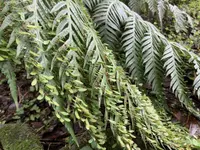
Regularly inspect and gently pin down the plantlets produced along the frond tips using U-shaped garden staples so they root where desired instead of forming a tangled mat in unwanted areas.

Moisture buffering mulch

Apply a 3–5 cm layer of fine bark or leaf mold around the crown, keeping it 2–3 cm away from the base, to stabilize soil moisture and temperature while reducing weed competition in the fern bed.

Shallow root protection

Avoid deep cultivation or aggressive raking around the plant, and instead hand-pull weeds or cut them at the surface to prevent damage to the fern’s shallow, fibrous roots.

Cool root zone

In warmer regions, position this fern near large stones or other shade-casting hardscape elements to help keep the root zone cooler and extend frond longevity during hot spells when growing Woodwardia prolifera.

Winter frond cleanup

At the end of winter, remove only fully dead, brown fronds at the base with clean, sharp pruners, leaving any green or partly green fronds to continue supporting the rhizome until new growth is well established.

Common Pests and Diseases

Fern aphids

This pest feeds on tender frond tissue and rachises, causing distortion, yellowing, and sticky honeydew on the foliage. Symptoms include curling young fronds and sometimes sooty mold growing on the honeydew in humid, sheltered sites.

Solution

Rinse colonies off with a firm stream of water, focusing on the undersides of fronds and the bases of young croziers. For persistent populations, use insecticidal soap or a light horticultural oil, applying in the early morning and repeating at 5–7 day intervals until new growth appears clean, and avoid high-nitrogen fertilizer that encourages very soft, aphid-prone growth.

Scale insects

These insects attach to frond midribs and stipes as small, domed bumps and slowly sap plant vigor, leading to dull, yellowed fronds and poor new growth. This pest thrives in sheltered, evergreen fern crowns where inspection is difficult.

Solution

Physically remove scales on accessible fronds by gently scraping with a fingernail or soft brush, then treat affected areas with horticultural oil to smother remaining insects and crawlers. Improve air movement around the clump by thinning old fronds and avoid using broad-spectrum insecticides that can disrupt beneficial predators in shaded fern plantings.

Fern rust

This disease causes orange to brown pustules on the undersides of fronds, sometimes leading to pale spots and premature frond dieback. Symptoms include patchy infection along the pinnae in humid, low-airflow sites such as dense, moist shade beds where growing Woodwardia prolifera is common.

Solution

Remove and discard heavily infected fronds to reduce spore load, cutting them back at the base and keeping debris out of the crown. Improve airflow and reduce leaf wetness duration by spacing plants, watering at soil level rather than overhead, and if needed apply a labeled fungicide for rust on ferns according to package directions.

Leaf spot

This disease produces dark, water-soaked or tan lesions on fronds that can merge into larger necrotic patches, especially after prolonged leaf wetness. Symptoms include irregular spots along the pinnae and marginal browning that is not related to drought stress or sun scorch.

Solution

Prune out and discard spotted fronds before the lesions coalesce, and avoid overhead watering that keeps fronds wet for long periods. Increase spacing or gently thin older fronds to enhance airflow, and in severe or recurring cases use a fern-safe fungicide, applying it preventively when humid, wet weather is expected.

Interesting Facts

Vegetative chain reproduction

This fern produces plantlets along the upper side of its arching fronds, which root when they touch moist soil and form chains of genetically identical plants.

Tropical montane habitat

It is naturally found in humid, shaded ravines and forested slopes from Nepal across the eastern Himalayas into Southeast Asia, typically in cool to mild montane climates with constant moisture.

Striking bipinnate fronds

Its long, twice-divided fronds can create a bold, almost architectural texture in shaded landscapes, making it a valued species in specialty fern collections and in damp woodland gardens.

FAQs about Woodwardia prolifera

This fern spreads gradually by creeping rhizomes and plantlets that form along the fronds. It can form broad clumps over time but is usually manageable. Remove unwanted plantlets and divide clumps periodically to control size and spread.

Grow Healthy Plants with Botan Care

Keep your plants happy and healthy with plant identification, disease detection, and easy care guidance.

Botan plant care app — identify plants on mobile

Explore More Plants