


Shallow Pot Choice
Use a wide, shallow pot with good side drainage, as the plant forms a compact, surface-level root system that resents deep, water-retentive containers.

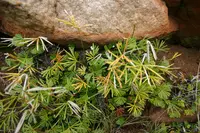
Fan-leaved fern (Actiniopteris radiata) is a compact tropical fern known for its distinctive fan-shaped fronds that radiate from a small central crown. The foliage creates a neat, architectural look that suits small pots, terrariums, and bright indoor shelves.
This species is native to warm regions of Africa and Asia, where it often grows in rocky, well-drained spots with consistent moisture in the air. It prefers bright, filtered light, moderate humidity, and a loose, well-aerated mix that never stays waterlogged.
Its small size and relatively slow growth make it manageable indoors, but sensitivity to drying out and low humidity can challenge beginners learning how to care for Fan-Leaved Fern.

Care Difficulty
Moderate Care

Light Preference
Bright Indirect Light

Water Requirements
Keep Soil Moist

Temperature Preference
Tropical / Frost Sensitive

Hardiness Zone
10–12

Soil Texture
Sandy, Loamy, Organic-rich

Soil pH
Acidic (5.5–6.5), Slightly acidic (6.5–7.0)

Soil Drainage
Moist but well-drained

Fertilization
Light (every 4–6 weeks)
Scan your plant to receive care tips personalized for your specific plant
Available on iOS and Android
This fern prefers bright, gentle light that mimics dappled sun on a forest floor.
This species prefers evenly moist, never soggy soil around its shallow roots.
This fern favors warm, stable temperatures with protection from cold drafts and frost.
This fern prefers consistently moist air and reacts quickly to very dry indoor conditions.
This fern performs best in a loose, airy mix that stays evenly moist yet never waterlogged.
This small fern is well suited to container growing, including smaller decorative pots and dish gardens.
Actiniopteris radiata benefits from light, consistent feeding during active growth but is sensitive to excess salts.
Pruning needs for Actiniopteris radiata are minimal and focus on hygiene rather than reshaping the plant.
This compact fern prefers slightly snug containers and only occasional repotting to refresh the growing medium.
Propagation of Actiniopteris radiata is usually done by spores and is more advanced than simple division methods used for many houseplants.
Actiniopteris radiata is frost-sensitive and needs warm, protected conditions during winter in most temperate climates.

Plant Health Check
Not sure what's wrong with your plant? Check your plant's health inside the app.
This species produces distinctive fan-shaped pinnae (leaf segments) that are only a few millimeters wide, giving the whole frond a miniature palm or hand-like appearance unlike most other ferns.
In nature it often grows in shallow crevices of limestone or other rocky substrates, where its roots anchor in minimal organic matter and cope with rapid drying between rains.
During prolonged drought the fronds can curl and desiccate, then rehydrate and resume photosynthesis when moisture returns, a tolerance to drying that is unusual for many tropical ferns.

This fern has a broad native range from parts of Africa and Madagascar through the Middle East to India and Southeast Asia, and in some regions it naturally colonizes old walls, ruins, and stone structures, making it a frequent subject in local botanical field guides for saxicolous (rock-dwelling) ferns.
Brown tips or fronds usually result from low humidity, underwatering, or a build-up of fertilizer salts. Improve ambient humidity, water evenly, flush the pot occasionally, and keep it away from hot or cold drafts to reduce browning.
Keep your plants happy and healthy with plant identification, disease detection, and easy care guidance.

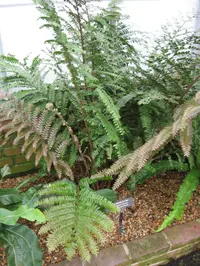
Cloak Fern
Didymochlaena truncatula
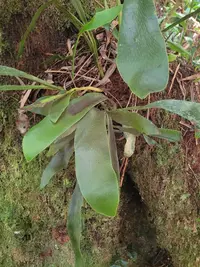
Antrophyum boryanum
Antrophyum boryanum
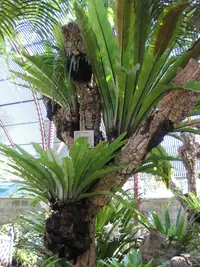
Bird's nest fern
Asplenium australasicum
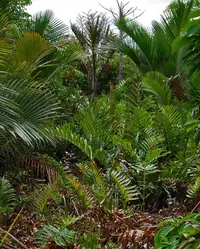
golden leatherfern
Acrostichum aureum
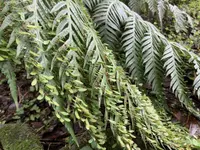
Woodwardia prolifera
Woodwardia prolifera
Asplenium balearicum
Asplenium balearicum
-1-200x150.webp) POPULAR
POPULARTasmanian tree fern
Dicksonia antarctica
Actiniopteris semiflabellata
Actiniopteris semiflabellata