East Indian hollyfern Care (Arachniodes aristata)

Also known as: Prickly Shield fern
East Indian hollyfern

About East Indian hollyfern

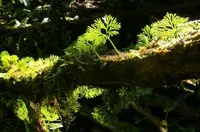
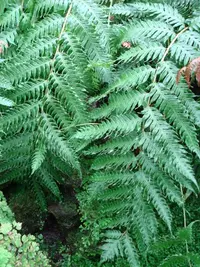
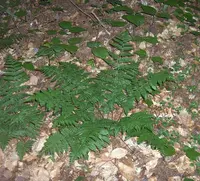
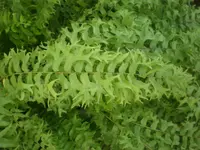
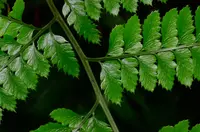
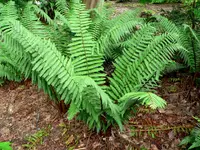
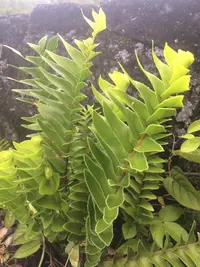
East Indian hollyfern, Arachniodes aristata, is an evergreen fern valued for its finely divided, glossy fronds and neat, arching habit. It typically forms compact clumps that suit containers, shaded borders, and understory planting.

This species is native to parts of East Asia, where it grows on forest floors and rocky, shaded slopes. Its preference for cool, stable conditions and consistent moisture makes it best suited to sheltered, low-light sites.

It is considered moderately easy to grow if kept out of harsh sun and drying winds. For those learning how to care for East Indian hollyfern, stable shade, evenly moist soil, and good drainage are the key priorities.

Main Plant Requirements

Care Difficulty

Moderate Care

Light Preference

Partial Shade

Water Requirements

Keep Soil Moist

Temperature Preference

Cool Climate

Hardiness Zone

6–8

Soil Texture

Loamy, Peaty, Organic-rich

Soil pH

Acidic (5.5–6.5), Slightly acidic (6.5–7.0)

Soil Drainage

Moist but well-drained

Fertilization

Light (every 4–6 weeks)

Get Personalized Care Plan

Scan your plant to receive care tips personalized for your specific plant

Available on iOS and Android

How to Care for the East Indian hollyfern

This woodland fern prefers soft, filtered light that mimics a forest understory.

  • Provide bright, indirect light or dappled shade, such as under taller shrubs or trees, with 2–4 hours of gentle morning sun and no harsh afternoon sun.
  • Tolerates deep shade but fronds of East Indian hollyfern may grow thinner and more open if light is very low for many months.
  • In hot summers, protect from direct sun between 10 a.m. and 4 p.m. to prevent scorch; in winter, slightly brighter exposure is beneficial.

This fern prefers consistently moist but not saturated soil around its roots.

  • Water when the top 2–3 cm of soil feel barely dry, aiming for evenly damp soil that never becomes soggy or dust-dry.
  • During active growth in spring and summer, increase monitoring in warm, windy spells; in cooler autumn and winter, allow the surface to dry a little more between waterings.
  • Signs of overwatering include yellowing, limp fronds and a sour smell in the soil, while crisp tips and slow unfurling indicate Arachniodes aristata is too dry.

This fern prefers cool to mild conditions and dislikes temperature extremes.

  • Ideal growing temperatures are 50–75°F (10–24°C), which support steady frond production and healthy root activity.
  • Mature plants tolerate brief dips to about 20°F (-6°C) with mulch protection, but repeated hard freezes below this can damage or kill crowns.
  • In hot climates, growth may stall above 85°F (29°C); provide shade, organic mulch, and consistent moisture to buffer heat, especially during dry summer periods.

This fern benefits from moderately high, stable humidity for best frond density and color.

  • Aim for 50–70% humidity; it tolerates brief dips lower but fronds may crisp at the tips.
  • In dry heated rooms, East Indian hollyfern shows brown edges, curling fronds, and slowed new growth.
  • Increase humidity with a nearby humidifier, grouped plants, or a wide pebble tray, rather than misting directly.

This fern prefers loose, humus-rich, evenly moist soil that mimics a woodland floor.

  • Use a mix of roughly 50% peat-free compost, 25% fine bark, and 25% perlite or pumice for structure and air space.
  • Ensure the mix drains freely yet stays slightly moist; water should pass through within seconds, not pool on the surface.
  • Keep pH mildly acidic to neutral, around 5.5–7.0, avoiding liming agents that push the mix strongly alkaline.
  • Avoid heavy clay, compacted soil, or pure sand, which either suffocate roots or dry out too fast for Arachniodes aristata.

This species grows well in containers when moisture and stability are managed carefully.

  • Choose a pot 3–5 cm wider than the root mass to allow spreading rhizomes without leaving a large, waterlogged soil volume.
  • Select a stable, heavier container in windy or exposed spots to prevent the arching fronds from tipping the pot.
  • Use a potting mix that fills the container fully but stays airy, so water moves quickly to the drainage holes instead of stagnating at the base.

Arachniodes aristata benefits from modest feeding to support steady frond growth in containers or nutrient-poor soils.

  • Use a balanced liquid fertilizer (for example 10-10-10) at 1/4–1/2 strength every 4–6 weeks during spring and summer.
  • Alternatively, apply a slow-release balanced fertilizer or a thin layer of compost in early spring.
  • Skip feeding from late fall through winter, especially for outdoor plants in the ground.
  • Flush the soil with plain water a few times each season to limit salt buildup, particularly for East Indian hollyfern in pots.

Pruning Arachniodes aristata focuses on hygiene and maintaining a tidy, well-shaped clump.

  • Best time to prune is late winter to early spring, before strong new growth starts.
  • Use clean, sharp scissors or pruners to remove dead, yellowing, or diseased fronds at the base.
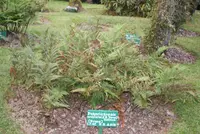
  • Thin crowded or crossing fronds to improve air flow and maintain an even mound-like shape.
  • Dispose of diseased material in the trash, not the compost pile, to reduce reinfection risk.

This fern tolerates being slightly root-bound but benefits from occasional transplanting to refresh soil and manage clump size.

  • Repot or transplant every 2–3 years, or when roots circle the pot, drainage slows, or growth becomes weak.
  • Plan moves for early spring or early fall, when temperatures are mild and moisture is reliable.
  • Gently loosen circling roots and trim only damaged portions to limit stress, then replant at the same depth.
  • Use a humus-rich, well-drained mix, water thoroughly, and keep evenly moist for several weeks while the root system re-establishes.

Division is the most reliable method for increasing Arachniodes aristata plants for garden or container use.

  • Divide established clumps in early spring or early fall, when temperatures are cool and soil stays evenly moist.
  • Lift the plant carefully, then separate the root mass into sections with several fronds and healthy rhizomes each.
  • Replant divisions at the same depth in humus-rich, well-drained soil and water thoroughly.
  • Keep new divisions shaded and consistently moist until vigorous new fronds appear and growth stabilizes.

This fern is moderately cold hardy and usually requires only light winter care in most temperate gardens.

  • In colder regions, apply a 5–8 cm layer of leaf mold or bark mulch around the root zone after hard frost.
  • Allow fronds damaged by freezing to remain until late winter, where they can help insulate the crown.
  • For East Indian hollyfern in containers, move pots to a sheltered, frost-free but cool, bright spot.

Care Tips

Staggered Repotting

Shift the plant only 1 pot size up and refresh the root ball with fresh mix every 2–3 years to prevent the dense root system from becoming pot bound and to keep fronds producing evenly from the center.

Frond Grooming Routine

Remove entire yellowing or damaged fronds cleanly at the base with sterilized scissors to reduce fungal pressure and to encourage new, symmetrical frond flushes from the crown.

Moisture Check Zones

Insert a finger at the pot edge rather than near the crown when checking moisture, since the outer zone of the mix dries first and gives a more accurate cue for when to water this fern evenly.

Cool-Side Placement

Place the plant slightly away from heat sources, electronics, or sun-warmed walls so fronds stay cooler and lose less moisture, which keeps the finely cut foliage from crisping at the tips.

Gradual Site Changes

When moving the plant between rooms or from outdoor shade to indoors, shift it over 7–10 days by increasing or decreasing light and airflow stepwise to reduce frond drop during seasonal adjustments in caring for East Indian hollyfern.

Common Pests and Diseases

Scale insects

These insects attach to the frond midribs and stems, appearing as small brown or tan bumps and causing yellowing and loss of vigor. Symptoms include sticky honeydew on fronds and sometimes sooty black fungal growth on the leaf surface.

Solution

Wipe fronds and stems with a cotton pad dipped in diluted alcohol or insecticidal soap, repeating weekly until no new scale appears. Improve air movement around the fern, avoid overfertilizing, and isolate heavily infested plants; for persistent cases, use a labeled systemic insecticide suitable for ferns according to the product directions.

Mealybugs

These insects form white, cottony clusters in frond bases and along the rachis, drawing sap and leading to pale, distorted foliage. Symptoms include sticky residue and slow overall growth, especially on sheltered indoor plants.

Solution

Remove visible clusters with a cotton swab dipped in alcohol, then wash the plant thoroughly with lukewarm water and insecticidal soap. Check weekly and treat any remaining insects; reduce plant stress by maintaining stable moisture and moderate indirect light as part of Arachniodes aristata care instructions.

Fern aphids

These insects colonize young fronds and undersides of leaflets, causing puckering, curling, and general weakening. This pest also produces honeydew, which can attract ants and lead to sooty mold on older fronds.

Solution

Rinse the foliage thoroughly with a firm but gentle stream of water, then apply insecticidal soap or a horticultural oil labeled for ferns, ensuring coverage of undersides. Repeat treatment every 7–10 days until populations drop, and remove heavily infested fronds to reduce numbers quickly.

Rhizoctonia leaf spot

This disease produces irregular brown or tan spots with darker margins on fronds, often starting where water sits on the leaf surface. Symptoms include coalescing lesions, premature browning, and increased frond loss in warm, humid, low-airflow conditions.

Solution

Remove and discard affected fronds, then reduce overhead watering and allow the foliage surface to dry between waterings while keeping the root zone evenly moist. Increase air circulation, avoid crowding, and, in severe or recurring cases, apply a fungicide labeled for Rhizoctonia on ferns according to package directions.

Bacterial blight

This disease causes water-soaked, translucent patches on young fronds that turn brown and may collapse, often spreading quickly in warm, wet conditions. Symptoms include distorted emerging fronds and a rapid decline in appearance if moisture stays on the foliage for long periods.

Solution

Promptly prune and discard affected fronds, sterilizing tools between cuts, and stop misting or wetting the foliage until new growth appears healthy. Improve ventilation, water at the soil level in the morning, and avoid splashing from pot to pot; discard severely affected plants if symptoms continue to spread despite improved hygiene and cultural changes.

Interesting Facts

Naturally glossy fronds

The leaf surface often appears naturally glossy due to a combination of cuticle structure and light reflection from its finely divided pinnae, giving the plant a polished look even in shaded forest conditions.

Evergreen in mild climates

In its native East Asian range and similar mild regions, this fern typically keeps its fronds year-round, functioning as an evergreen groundcover in consistently cool, moist woodland habitats.

Tolerant of urban conditions

This species is known for coping relatively well with shaded urban gardens, as it can handle air pollution and intermittent dryness better than many more delicate woodland ferns when soil remains humus-rich.

Botan icon

Did you know?

Arachniodes aristata has been used extensively in breeding and selection of ornamental fern cultivars, such as the popular variegated form often sold as 'Variegata', valued for its stable cream or yellow markings along the pinnae that remain visible under relatively low light conditions.

FAQs about East Indian hollyfern

Brown tips or fronds usually come from low humidity, underwatering, or excess fertilizer salts. Improve humidity, keep the root zone evenly moist, flush the pot occasionally, and remove only fully dead fronds to prevent further stress.

Grow Healthy Plants with Botan Care

Keep your plants happy and healthy with plant identification, disease detection, and easy care guidance.

Botan plant care app — identify plants on mobile

Explore More Plants