rock polypody Care (Polypodium virginianum)

Also known as: American Polypody
rock polypody

About rock polypody

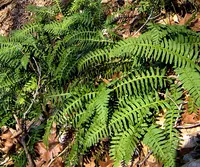
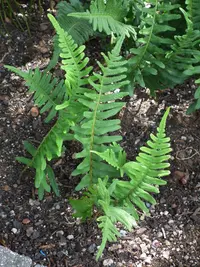
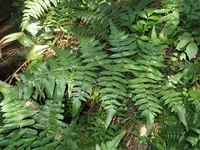
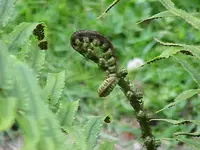
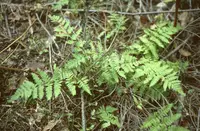
Rock polypody (Polypodium virginianum) is a small evergreen fern that forms loose clumps or creeping mats over rocks, logs, and thin soils. Its fronds are narrow, leathery, and divided, giving a fine-textured look year-round in mild climates.

This species is native to rocky woodlands and outcrops across eastern North America, often found in cool, shaded, and well-drained sites. It grows slowly and stays compact, which makes care for rock polypody manageable for patient growers.

The fern prefers consistent moisture without waterlogging and benefits from humus-rich, slightly acidic substrates. It generally adapts well in stable indoor or outdoor conditions that avoid strong sun, drought, and heavy disturbance.


Main Plant Requirements

Care Difficulty

Moderate Care

Light Preference

Partial Shade

Water Requirements

Keep Soil Moist

Temperature Preference

Cold Hardy

Hardiness Zone

3–8

Soil Texture

Rocky, Loamy, Organic-rich

Soil pH

Acidic (5.5–6.5), Slightly acidic (6.5–7.0)

Soil Drainage

Moist but well-drained

Fertilization

Minimal (feed rarely)

Get Personalized Care Plan

Scan your plant to receive care tips personalized for your specific plant

Available on iOS and Android

How to Care for the rock polypody

This woodland fern prefers soft, indirect light that mimics dappled forest shade.

  • Provide 2–4 hours of gentle morning sun or bright, filtered light under deciduous trees; avoid harsh midday and afternoon sun that can scorch fronds.
  • Tolerates partial to full shade, but growth becomes looser and fronds shorter if light is very low for most of the day.
  • In summer, protect rock polypody from reflective surfaces and dry, exposed sites; in late fall and winter, slightly increased light is beneficial where tree canopy opens.

Moist but not waterlogged conditions support healthy fronds and rhizomes.

  • In the ground, water when the top 2–3 cm of soil or leaf litter feels dry, then soak thoroughly so moisture reaches the shallow rhizomes.
  • Favor sharply draining, rocky or sandy soil enriched with organic matter; avoid compacted or standing-water areas that cause rhizome rot in Polypodium virginianum.
  • In hot, dry spells, watch for limp, curling fronds as a sign of drought stress, and reduce watering in cool, wet seasons to prevent constantly saturated soil.

This species is a cool-temperate fern adapted to significant seasonal variation.

  • Active growth is best around 55–75°F (13–24°C), with good resilience during typical spring and fall conditions in temperate climates.
  • Tolerates winter cold down to about 0°F (−18°C) once established, especially with leaf litter or rock crevices providing insulation around the rhizomes.
  • Handles short heat spells up to about 85–90°F (29–32°C) if soil stays evenly moist and shaded; prolonged heat with dry soil leads to frond browning and dormancy.

This fern prefers moderately moist air and reacts if kept too dry for long periods.

  • Aim for 50–70% humidity, especially indoors or in heated homes.
  • Tolerates brief dips to 35–40%, but fronds may brown at tips and edges if air stays very dry.
  • Increase humidity with a pebble tray, grouping plants, or a small humidifier placed near rock polypody, avoiding direct mist on fronds.

This species prefers loose, humus-rich, sharply drained substrates that mimic leaf litter over rock.

  • Use a mix such as 40% fine bark, 30% peat or coco coir, 20% compost, and 10% perlite to create an airy, organic-rich base.
  • Keep structure loose and fibrous so rhizomes sit near the surface rather than being buried in compacted material.
  • Ensure very fast drainage; water should run through within seconds and not leave the mix soggy or heavy.
  • Aim for slightly acidic soil, around pH 5.5–6.5, and avoid dense clay, waterlogged sites, or pure sand without organic matter when preparing a spot for Polypodium virginianum.

This fern can adapt well to container growing when its shallow, creeping rhizomes are considered.

  • Choose a wide, shallow pot that allows rhizomes to spread horizontally rather than a deep, narrow container.
  • Select a relatively lightweight plastic or resin pot if frequent watering is needed, as these retain moisture more evenly than unglazed clay.
  • Elevate the pot slightly on feet or bricks so drainage holes stay clear and excess water escapes quickly after irrigation.

This fern grows well with minimal feeding, especially when planted in humus-rich, woodland-like soil.

  • For potted rock polypody, use a balanced liquid fertilizer (around 10-10-10) diluted to 1/4–1/2 strength.
  • Feed lightly every 4–6 weeks during spring and summer only if growth appears weak or pale.
  • Use a thin layer of leaf mold or compost as a gentle top-dressing instead of heavy fertilization.
  • Stop feeding in fall and winter when growth slows or fronds die back.

Pruning Polypodium virginianum focuses on hygiene and maintaining a tidy clump rather than shaping.

  • Best time is late winter or early spring before new fronds unfurl, or anytime to remove damaged tissue.
  • Cut dead, yellowing, or diseased fronds at the base with clean, sharp scissors or snips.
  • Thin out crowded or overlapping fronds to improve airflow and reduce fungal problems.
  • Light grooming helps maintain an even, compact appearance without stressing the rhizomes.

Transplanting or dividing this fern is done infrequently and mainly when clumps outgrow their space or containers.

  • Look for roots circling the pot, crowded fronds, or slowed growth as signs it needs more room.
  • Plan repotting or outdoor transplanting in early spring, just before strong new growth begins.
  • Repot every 3–4 years into a shallow, wide container with loose, humus-rich, well-drained mix.
  • Handle rhizomes gently, keep roots slightly moist, and shade the plant for 1–2 weeks to reduce stress.

Polypodium virginianum is most practically propagated by rhizome division rather than from spores.

  • Divide established clumps in early spring when new frond tips first appear.
  • Lift the plant carefully and cut the rhizome into sections, each with several healthy buds and roots.
  • Replant divisions shallowly in moist, humus-rich, well-drained substrate and firm gently.
  • Maintain high humidity, consistent moisture, and bright shade until new fronds expand fully.

This fern is generally cold hardy in much of its native range and needs only modest winter care outdoors.

  • Tolerates typical winter frosts once established, with fronds often dying back naturally.
  • Apply a light mulch of leaves or compost over the root zone in late fall to buffer freeze-thaw cycles.
  • For container plants in colder regions, move pots into a sheltered, frost-free but cool location.

Care Tips

Rock mounting

Attach rhizome sections to a flat, porous rock with biodegradable twine or soft plant tape, then top-dress with a thin layer of fine, moisture-retentive substrate so the roots can anchor while the rhizome itself remains exposed and able to dry slightly between waterings.

Rhizome division

Divide older clumps by cutting the creeping rhizome into sections with at least 3–4 healthy fronds and multiple growing points, then replant or remount immediately to maintain vigor and prevent the center of the plant from becoming crowded and weak.

Shaded airflow control

Place the plant where it receives gentle, indirect air movement rather than still, stagnant air, but shield it from direct drafts from heaters or air conditioners to limit frond desiccation and fungal issues.

Winter dormancy support

If grown in a cool space, allow a natural semi-dormant phase in winter by slightly reducing watering and avoiding repotting or division until new fronds begin to emerge strongly in spring.

Targeted pest inspection

Check along the rhizome surface and the undersides of fronds every 1–2 weeks for scale or mites, and remove early infestations with a cotton swab dipped in insecticidal soap solution, which is a key part of caring for rock polypody in indoor settings.

Common Pests and Diseases

Scale insects

This pest attaches to fronds and rhizomes, appearing as small brown or tan bumps that suck sap and cause yellowing and decline. Symptoms include weakened growth and sticky honeydew on nearby surfaces.

Solution

Isolate the plant, then gently scrape or wipe scale off the fronds and rhizomes with a cotton swab dipped in isopropyl alcohol, taking care not to damage the thin leaf tissue. Improve air circulation and, if needed, repeat alcohol swabs weekly; for outdoor plantings, a targeted horticultural oil spray in cool, shaded conditions can suppress remaining crawlers.

Fern aphids

These insects cluster on young fronds and undersides of pinnae, sucking sap and causing distortion, yellowing, and sticky honeydew that can support sooty mold. This pest often appears on new flushes of growth in moist, protected rock crevices or shaded patios.

Solution

Rinse fronds thoroughly with a strong but gentle stream of water, focusing on the undersides and growing tips. For persistent infestations, treat with an insecticidal soap labeled for ferns, applied in the cool part of the day and rinsed lightly afterward to avoid residue buildup on the delicate foliage.

Fern mites

This pest is microscopic and feeds inside fronds and along the rachis, causing fronds to appear dull, stiff, or misshapen, sometimes with a slight bronzing. Symptoms include reduced vigor and poor new growth despite adequate moisture and shade.

Solution

Increase humidity slightly while maintaining good airflow, then rinse fronds thoroughly under lukewarm water to dislodge mites. In severe cases, cut back the worst-affected fronds to encourage clean regrowth and use a miticide or sulfur-free horticultural oil specifically labeled for mite control, following label directions carefully for Polypodium virginianum plant care.

Rhizoctonia crown rot

This disease attacks the creeping rhizomes lodged in rock crevices or shallow soil, leading to dark, firm lesions, frond collapse, and dieback from the base upward. Symptoms include patches of dead fronds and a thinning clump, especially in overly wet, poorly drained spots.

Solution

Remove and discard all affected fronds and rhizome sections, cutting back into firm, healthy tissue with a sterilized blade. Improve drainage by loosening the planting pocket or using a more open, gritty medium, reduce watering frequency, and avoid overhead irrigation; in garden settings with recurrent issues, a labeled fungicide drench for Rhizoctonia can be used preventively on remaining healthy divisions.

Leaf spot

This disease produces small, round to irregular brown spots on the fronds, sometimes surrounded by a yellow halo, which can merge into larger blotches under persistently damp conditions. Symptoms include premature frond browning and reduced ornamental quality, particularly in sheltered, shaded rock walls with poor air movement.

Solution

Trim and discard affected fronds to remove the main source of spores, cutting at the base without damaging the rhizome. Water at the soil or rock level rather than overhead, increase spacing and airflow, and if spotting continues, apply a fern-safe fungicide labeled for leaf spot at the first sign of new lesions to protect emerging fronds.

Interesting Facts

Eastern North America specialist

This fern is native to rocky, often shaded habitats across eastern North America, typically growing on acidic sandstone, granite, or mossy outcrops rather than in deep forest soil.

Evergreen in cold climates

Unlike many temperate ferns, it often stays evergreen through winter in much of its range, with fronds that can remain photosynthetically active during mild cold periods.

Rhizomes that grip rock

Its creeping rhizomes form dense, fibrous mats that anchor the plant directly onto bare rock surfaces, helping it capture leaf litter and moisture in tiny crevices.

Botan icon

Did you know?

This species is considered an important early colonizer of bare rock in some temperate ecosystems, gradually trapping organic debris and helping build the first thin soil layers that later allow mosses, lichens, and other vascular plants to establish.

FAQs about rock polypody

This species is naturally adapted to outdoor, shaded, rocky habitats with good air flow. It generally performs better outside, but can adapt indoors if given cool temperatures, high humidity, and careful moisture management for rock polypody indoor care.

Grow Healthy Plants with Botan Care

Keep your plants happy and healthy with plant identification, disease detection, and easy care guidance.

Botan plant care app — identify plants on mobile

Explore More Plants