scaly buckler-fern Care (Dryopteris remota)

scaly buckler-fern

About scaly buckler-fern

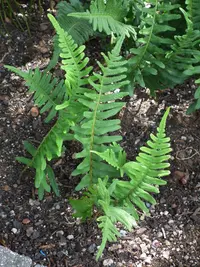
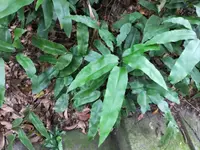
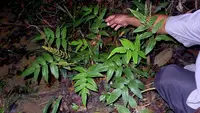
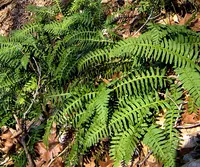
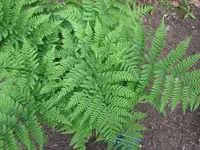
Scaly buckler-fern, Dryopteris remota, is a hardy, clump-forming woodland fern valued for its layered, upright fronds and finely textured, scaly stipes. It typically forms a neat vase-shaped crown that brings structure to shaded borders, naturalistic plantings, and woodland gardens.

This species occurs naturally in parts of central and western Europe, where it grows in cool, moist forests and rocky, humus-rich slopes. It is generally considered reliable and moderate in vigor when given stable moisture, shelter from strong sun, and loose, organic soil.

Gardeners who learn how to care for scaly buckler-fern usually find it long-lived and steady, provided the planting site does not dry out or become waterlogged for long periods.

Main Plant Requirements

Care Difficulty

Moderate Care

Light Preference

Partial Shade

Water Requirements

Keep Soil Moist

Temperature Preference

Cold Hardy

Hardiness Zone

5–8

Soil Texture

Loamy, Peaty, Organic-rich

Soil pH

Acidic (5.5–6.5), Slightly acidic (6.5–7.0)

Soil Drainage

Moist but well-drained

Fertilization

Minimal (feed rarely)

Get Personalized Care Plan

Scan your plant to receive care tips personalized for your specific plant

Available on iOS and Android

How to Care for the scaly buckler-fern

Dryopteris remota prefers cool, shaded woodland-style light rather than strong direct sun.

  • Aim for 2–4 hours of soft morning sun with bright dappled or filtered light the rest of the day, avoiding harsh midday and afternoon rays.
  • Plant in partial to full shade, such as north or east-facing spots or under open trees, as scaly buckler-fern fronds scorch in prolonged direct sun.
  • In summer, provide extra shade during heatwaves; in winter, increased light through bare branches is acceptable as long as soil does not dry out faster.

This fern prefers consistently moist, cool soil without becoming waterlogged.

  • Water when the top 2–3 cm of soil feel slightly dry, aiming to keep the root zone evenly moist, especially during active growth in spring and summer.
  • Ensure soil is rich, humus-based, and well drained; standing water, sour smell, or black, limp fronds suggest overwatering and possible root rot.
  • In dry or hot weather, increase watering frequency and mulch to conserve moisture; crisping frond tips or drooping fronds indicate the plant is staying too dry.

This hardy fern tolerates cool conditions but grows best in mild, stable temperatures.

  • Optimal growth occurs around 50–70°F (10–21°C), typical of shaded woodland or cool garden situations.
  • Mature plants usually withstand winter lows near 5–10°F (-15 to -12°C) with good soil drainage and mulch, though new growth is more sensitive to late frosts.
  • In summer, protect from heat spikes above 80–85°F (27–29°C) with extra shade and moisture, as prolonged high temperatures can stress fronds and slow growth.

This fern prefers consistently moist air and reacts quickly to dry indoor conditions.

  • Aim for 50–70% humidity; it tolerates brief dips lower but declines in heated, dry rooms.
  • Crisping tips, dull fronds, and slow unfurling of new growth signal humidity stress rather than drought alone.
  • Increase humidity with a nearby humidifier, grouped plants, or a wide pebble tray under (not touching) the pot.

Dryopteris remota prefers a moist, humus-rich substrate that stays aerated rather than compacted.

  • Use a loose, loamy mix with high organic matter, such as 2 parts leaf mold or compost, 1 part fine bark, and 1 part perlite.
  • Ensure drainage is moderate to fast so water moves through but the mix still holds consistent moisture around the roots.
  • Target slightly acidic to neutral pH, roughly 6.0–7.0, avoiding strongly alkaline, chalky substrates that reduce nutrient uptake.
  • Improve aeration and prevent waterlogging by avoiding heavy clay, adding pine bark fines, and never allowing the mix to become smeared or puddled.

This species grows reliably in containers when moisture and stability are managed carefully.

  • Choose a wide, relatively deep pot to accommodate a spreading root system and maintain even moisture without waterlogging.
  • Select a heavier material such as clay or thick ceramic if the fronds become tall, to reduce tipping in wind or on balconies.
  • Raise the pot slightly on feet or bricks so drainage holes clear quickly after rain or watering, preventing a stagnant water zone at the base.

This fern grows well in humus-rich soil and needs only light feeding to stay healthy.

  • Apply a balanced, dilute liquid fertilizer (around 10-10-10 at 1⁄4–1⁄2 strength) every 4–6 weeks in spring and summer.
  • Use compost or leaf mold as a surface top-dressing once a year to mimic woodland soil for scaly buckler-fern.
  • Skip feeding in late fall and winter when growth slows or stops.
  • Water before and after feeding to reduce fertilizer burn on sensitive roots.

Pruning Dryopteris remota focuses on tidiness and disease prevention rather than shaping.

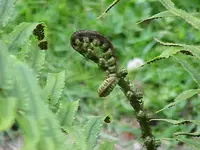
  • Cut off dead, brown, or diseased fronds at the base in late winter or very early spring before new croziers unfurl.
  • Remove damaged or heavily spotted fronds during the growing season to improve air flow and reduce fungal issues.
  • Thin a few of the oldest, most crowded fronds if the clump becomes too dense, keeping the natural arching form.
  • Use clean, sharp scissors or pruners, disinfected between plants, to avoid spreading pathogens.

This fern is more often grown in the ground, so focus on occasional division and careful transplanting rather than frequent repotting.

  • Transplant or divide in early spring or early fall when temperatures are mild and soil is moist.
  • Look for roots circling a pot, slow growth, or a congested crown as signs a container plant needs more space every 3–4 years.
  • Lift the clump with a wide root ball, keep soil around the roots, and handle the rhizomes gently to limit stress.
  • Replant at the same depth in cool, shaded soil, water thoroughly, and keep evenly moist for several weeks while it re-establishes.

This fern is most practically propagated by division, while spore work is slower and more technical.

  • Divide mature clumps in early spring or early fall when soil is cool and naturally moist.
  • Lift the plant, then separate the crown into sections, each with healthy fronds and a good portion of roots.
  • Replant divisions promptly at the same depth in humus-rich, shaded soil and water well to settle soil around roots.
  • Spore propagation needs sterile, consistently moist conditions and is mainly used by experienced growers or nurseries.

Dryopteris remota is generally hardy in temperate climates and needs only modest winter attention in the ground.

  • Tolerates normal freezes once established, but young plants benefit from extra protection during severe cold spells.
  • Apply a 5–8 cm mulch of leaf mold or compost around the root zone in late fall, keeping it off the crown.
  • Container plants are more vulnerable; move pots into a sheltered, unheated space or against a protected wall to reduce root freezing.

Care Tips

Mulch The Crown

Apply a 3–5 cm layer of fine, composted bark around but not on top of the crown to keep roots cool, retain moisture, and reduce weed competition without suffocating new fronds.

Divide Mature Clumps

Every 4–6 years, lift and divide overgrown clumps in early spring, keeping several firm crowns and fibrous roots per division to rejuvenate growth and produce uniform, dense plants.

Shelter From Wind

Position plants behind shrubs, fences, or low walls to break strong or drying winds, which helps fronds stay upright and reduces mechanical damage and water loss.

Use Soaker Irrigation

Install a soaker hose or drip line at soil level around the root zone to keep the soil evenly moist while keeping fronds dry, which lowers the risk of foliar fungal issues when caring for scaly buckler-fern.

Leaf Mold Topdressing

Each autumn, spread a thin layer of leaf mold or shredded, rotted leaves over the root area to mimic woodland conditions, improving soil structure and supporting beneficial soil organisms.

Common Pests and Diseases

Scale insects

This pest feeds on fern fronds and rachises, causing yellow spotting, loss of vigor, and sticky honeydew that may encourage sooty mold. Symptoms include small raised bumps on stems and the underside of fronds.

Solution

Physically wipe or gently scrape off scales with a cotton pad dipped in diluted insecticidal soap or horticultural oil, repeating every 7–10 days until no new insects appear. Improve airflow and avoid overfertilizing, which can encourage soft growth that is more attractive to scale.

Aphids

These insects cluster on young croziers and tender fronds, sucking sap and causing distortion, curling, and sticky honeydew deposits. Heavy infestations can slow new growth and attract ants.

Solution

Rinse fronds thoroughly with a firm but gentle stream of water, then treat remaining colonies with insecticidal soap, ensuring full coverage of undersides of fronds. Remove heavily infested fronds and reduce excess nitrogen fertilization to make new growth less attractive to aphids.

Fern rust

This disease produces orange to brown pustules on the underside of fronds, which may coalesce and lead to premature browning and drop of affected fronds. Symptoms include uneven yellowing and a dusty spore layer that rubs off on fingers.

Solution

Remove and dispose of infected fronds promptly and avoid overhead watering that keeps foliage wet for long periods. Improve spacing and airflow around plants; in persistent cases, apply a labeled fungicide for ornamental ferns according to Dryopteris remota care instructions and local regulations.

Rhizoctonia crown rot

This disease attacks the crown at soil level, causing blackened, sunken tissue and collapse of the central fronds while outer fronds may yellow and wilt. Symptoms include a thinning clump with weak new shoots that fail to unfurl properly.

Solution

Cut out and discard all affected crown tissue and any soft, discolored roots, then replant into fresh, sharply draining but evenly moist soil. Avoid planting too deep, keep mulch slightly away from the crown, and maintain moderate, not saturated, soil moisture to prevent reinfection.

Interesting Facts

Natural hybrid origin

This fern is now widely accepted as a stabilized hybrid derivative between Dryopteris dilatata and Dryopteris expansa, combining traits from both parents such as the divided frond structure and the softly textured pinnae edges.

Distinctive frond structure

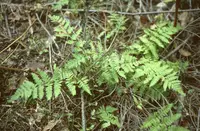
Its fronds are narrowly triangular and twice- to three-times pinnate, giving a finely feathered look, and the lowest pinnae are not strongly enlarged, which helps distinguish it from closely related shield ferns in the field.

Cool, moist habitat specialist

In the wild it is typically found in cool, humid, often montane woodlands and ravines in parts of Europe, favoring acidic to mildly acidic soils rich in decaying leaf litter where air humidity stays high.

FAQs about scaly buckler-fern

This fern forms a slowly expanding clump from its crown and short rhizomes. It can widen over time but is not considered aggressive. Unwanted offsets are easy to lift and replant or compost.

Grow Healthy Plants with Botan Care

Keep your plants happy and healthy with plant identification, disease detection, and easy care guidance.


Botan plant care app — identify plants on mobile

Explore More Plants