Control Rhizome Spread
Install a 30–40 cm deep root barrier or plant in large containers sunk into the ground to keep the extensive rhizome system from invading nearby beds and lawns.

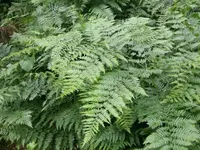
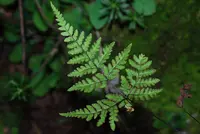
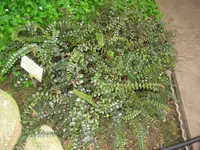
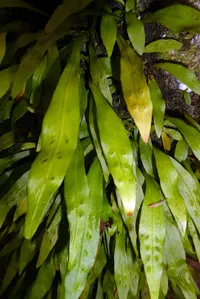
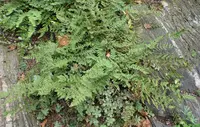
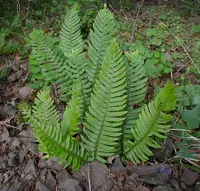
Bracken, Pteridium aquilinum, is a widespread deciduous fern found in woodlands, moorlands, and open hillsides across many temperate regions. It forms large colonies from creeping underground rhizomes. The plant has tall, triangular fronds that unfurl in spring and die back in autumn, creating a dense, coarse canopy. Its growth can be vigorous and sometimes invasive in suitable conditions. This fern prefers light shade to full sun, with moist but well-drained, slightly acidic soil. Once established outdoors, it is hardy and low-maintenance, but its strong spread means it suits large, naturalistic plantings better than small gardens. Understanding how to care for Bracken starts with giving it enough space and the right soil type.

Care Difficulty
Easy Care

Light Preference
Partial Shade

Water Requirements
Moderate Water

Temperature Preference
Cold Hardy

Hardiness Zone
3–8

Soil Texture
Sandy, Loamy, Organic-rich

Soil pH
Strongly acidic (4.5–5.5), Acidic (5.5–6.5)

Soil Drainage
Moist but well-drained

Fertilization
Minimal (feed rarely)
Scan your plant to receive care tips personalized for your specific plant
Available on iOS and Android
This fern prefers bright, indirect light in woodland-like conditions.
This fern prefers consistently moist but not waterlogged soil.
This species is a hardy fern adapted to cool to mild climates.
This fern prefers moderate, woodland-like humidity but usually copes with typical household air.
This species performs best in loose, moist, slightly acidic soil that mimics forest litter.
This species can be grown in containers but is better suited to large, stable outdoor pots due to its spreading rhizomes.
This fern is adapted to low-nutrient soils, so caring for Bracken usually means minimal fertilization.
Pruning Pteridium aquilinum is mainly done for tidiness, containment, and plant health rather than shaping.
This fern is usually grown in the ground, so care focuses on transplanting and managing spread rather than frequent repotting.
This species spreads readily through underground rhizomes, so most home propagation relies on controlled division.
This hardy fern generally needs little winter care in most temperate climates.

Plant Health Check
Not sure what's wrong with your plant? Check your plant's health inside the app.
This species is one of the most widespread ferns on Earth, occurring on every continent except Antarctica and forming extensive stands in temperate and subtropical regions.
Bracken releases chemicals into the soil that can inhibit germination and growth of neighboring plants, helping it dominate disturbed or open habitats.
Its tissues contain the carcinogenic compound ptaquiloside and other toxins that deter many herbivores, so livestock poisoning is a documented risk when animals graze heavily in dense bracken.

Archaeological evidence from multiple regions shows that dried bracken fronds and rhizomes were historically used as packing, thatching, and even as a fuel or ash source, making it one of the few wild ferns with a long record of large-scale practical human use.
This fern spreads rapidly through long underground rhizomes, often forming large colonies. In suitable conditions it can outcompete other plants, so physical barriers or regular rhizome removal are needed to prevent unwanted expansion in gardens or natural areas.
Keep your plants happy and healthy with plant identification, disease detection, and easy care guidance.