Japanese painted fern Care (Athyrium niponicum)

Japanese painted fern

About Japanese painted fern

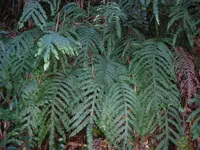
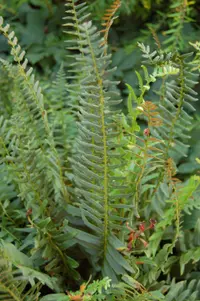
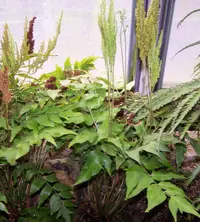
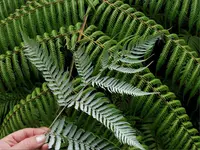
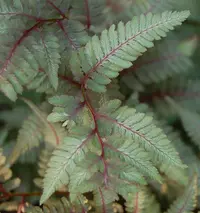
Japanese painted fern, Athyrium niponicum, is a deciduous fern valued for its finely divided fronds with silvery-gray, green, and purple tones. It forms low, arching clumps that add texture and color contrast to shaded gardens.

This species is native to woodland areas of East Asia, where it grows in cool, moist, humus-rich soils. It is generally regarded as an easy, reliable fern when kept in shade and evenly moist conditions.

Gardeners who want to learn how to care for Japanese painted fern usually find it forgiving, as long as the soil does not dry out completely and the site is protected from hot sun.

Main Plant Requirements

Care Difficulty

Moderate Care

Light Preference

Partial Shade

Water Requirements

Keep Soil Moist

Temperature Preference

Cold Hardy

Hardiness Zone

3–8

Soil Texture

Loamy, Peaty, Organic-rich

Soil pH

Acidic (5.5–6.5), Slightly acidic (6.5–7.0)

Soil Drainage

Moist but well-drained

Fertilization

Minimal (feed rarely)

Get Personalized Care Plan

Scan your plant to receive care tips personalized for your specific plant

Available on iOS and Android

How to Care for the Japanese painted fern

This fern prefers soft, indirect light that mimics a woodland floor.

  • Provide dappled shade or filtered light with 1–3 hours of gentle morning sun and no harsh afternoon sun.
  • Site Japanese painted fern where it receives bright shade under trees or on the north or east side of buildings.
  • Watch fronds: bleached, crisp edges indicate too much sun, while sparse, elongated fronds indicate too little light.

This species needs consistently moist but not waterlogged soil.

  • Aim for soil that stays evenly moist, letting only the top 1–2 cm dry slightly between waterings.
  • Use humus-rich, well-drained soil so excess water can drain while still holding moisture around Athyrium niponicum roots.
  • In hot, dry spells, increase watering and mulch 3–5 cm deep; yellowing, limp fronds suggest dryness, while blackened, mushy crowns suggest overwatering.

This fern is a cool- to mild-climate perennial with good cold tolerance.

  • Optimal growing temperatures are 55–75°F (13–24°C), with strongest frond growth in cool spring and early summer.
  • Established plants tolerate down to about -20°F (-29°C) in the ground, dying back above soil but regrowing from the crown in spring.
  • In summer, protect from prolonged heat above 85°F (29°C) with shade and mulch to keep roots cool and reduce stress.

This fern prefers consistently moist air and reacts quickly to dry indoor conditions.

  • Aim for 50–70% humidity, especially in heated homes or during dry winters.
  • Crisping frond tips, dull color, and slowed new frond unfurling indicate humidity stress rather than underwatering.
  • Increase humidity for Japanese painted fern by grouping pots, using a pebble tray with water below the pot base, or running a nearby cool-mist humidifier.

Athyrium niponicum grows best in loose, humus-rich soil that stays evenly moist yet drains freely.

  • Use a mix of 50–60% composted bark or leaf mold, 30–40% loam, and 10–20% perlite for structure and aeration.
  • Aim for slightly acidic to neutral pH around 6.0–7.0, avoiding strongly alkaline, chalky soils that can limit nutrient uptake.
  • In heavy clay, raise the planting area and blend in coarse bark and compost to improve drainage and root oxygen supply.
  • Avoid compacted, waterlogged, or very sandy soils that either suffocate roots or dry out too rapidly between waterings.

This species is well suited to container growing on shaded patios and balconies.

  • Choose a pot 20–30 cm wide but not overly deep to match its shallow, spreading root system and limit soggy lower soil layers.
  • Select a sturdy, heavier container material if exposed to wind, as arching fronds can make the plant lopsided and prone to tipping.
  • Ensure several small drainage holes rather than one large one so water exits quickly without washing out the loose, fibrous mix.

This fern benefits from light, steady nutrition but does not need heavy feeding.

  • Use a balanced, dilute liquid fertilizer (for example 10-10-10 at 1/4–1/2 strength) or fine compost during active growth.
  • Feed every 4–6 weeks in spring and summer, only when soil is moist.
  • Avoid fertilizing in late fall and winter when growth slows or the plant is dormant.
  • Japanese painted fern is sensitive to excess salts, so flush the pot occasionally with plain water.

Pruning Athyrium niponicum is simple and mainly focuses on keeping the clump clean and healthy.

  • Cut back dead, brown, or diseased fronds at the base in late fall or very early spring.
  • Remove damaged or crowded fronds during the growing season to improve air flow and highlight fresh foliage.
  • Use clean, sharp scissors or hand pruners to make neat cuts and reduce infection risk.
  • Hard cutback in early spring can refresh older plants, encouraging a flush of new fronds.

Container-grown plants and crowded clumps benefit from occasional repotting or transplanting.

  • Look for roots circling the pot, water running straight through, or slowing growth as signs Athyrium niponicum needs more space.
  • Plan repotting or garden transplanting in early spring or early fall, avoiding hot, dry weather.
  • Typically move container plants every 2–3 years into a slightly larger pot with moisture-retentive, rich, well-drained mix.
  • Reduce root stress by watering well before moving, handling the root ball gently, and shading the plant for several days afterward.

Division is the most reliable method for increasing this fern at home.

  • Divide mature clumps in early spring as new fronds emerge, or in early fall while soil is still warm.
  • Lift the plant carefully and split the rhizome into sections, each with several healthy buds and roots.
  • Replant divisions at the same depth in moist, humus-rich soil and water thoroughly.
  • Keep new divisions shaded with consistently moist, cool soil until established, as Athyrium niponicum plant care favors stable moisture.

This fern is generally cold hardy in-ground and needs minimal winter care in suitable climates.

  • Once frost blackens fronds, cut them back to a few cm above soil level to reduce disease harboring.
  • Apply a 5–7 cm layer of leaf mold or compost mulch over the root zone in late fall for insulation.
  • Move containers to a sheltered, unheated but frost-moderated spot, keeping soil slightly moist but never waterlogged.

Care Tips

Mulch For Coolness

Apply a 3–5 cm layer of fine bark or leaf mold around the crowns to keep roots cool, conserve moisture, and reduce weed competition without burying the fronds.

Staggered Planting Layout

Plant in small groups with 30–45 cm spacing in a loose triangle pattern so fronds overlap slightly, creating a fuller visual effect and a more humid microclimate at ground level.

Gentle Winter Marking

After fronds die back in fall, mark clump locations with small, unobtrusive stakes so the dormant crowns are not damaged by digging or treading in winter and early spring.

Divide Only When Vigorous

Divide mature clumps every 4–6 years in early spring, choosing only dense, healthy crowns and replanting divisions at the same depth to avoid stress and setback in growth.

Use Companion Shade Plants

Combine with low, shallow‑rooted shade plants such as hostas or heucheras, which help shade the soil surface, support a stable moisture level, and simplify caring for Japanese painted fern in mixed beds.

Common Pests and Diseases

Slugs and snails

This pest is strongly attracted to the tender fronds and can quickly skeletonize new growth, especially in damp, shaded beds.

Solution

Hand-pick at dusk or dawn, use iron phosphate pellets around clumps, and place beer traps or boards as lures; also reduce nearby hiding spots such as dense ground debris while maintaining enough mulch for the fern’s roots.

Aphids

These insects cluster on soft frond bases and undersides, sucking sap and causing distortion, sticky honeydew, and sometimes sooty mold.

Solution

Rinse colonies off with a firm stream of water, then treat remaining insects with insecticidal soap or a light horticultural oil, repeating weekly until populations collapse and monitoring any nearby host plants that may re-infest the fern.

Fern scale

This pest appears as small, flattened, brown or gray bumps on stems and frond midribs, leading to yellowing, weakened fronds, and slower growth.

Solution

Prune and dispose of heavily infested fronds, gently scrape or wipe remaining scales with a cotton pad dipped in alcohol, and follow with 2–3 applications of horticultural oil at 7–10 day intervals, ensuring good coverage of stems and frond bases for effective Athyrium niponicum plant care.

Rhizoctonia crown rot

This disease causes blackened, sunken lesions at the crown and lower stipes, leading to collapsing fronds and eventual plant decline in overly wet, poorly drained sites.

Solution

Remove and destroy affected fronds and crowns, improve drainage and reduce irrigation frequency, and avoid overhead watering; for valuable plantings, replant into fresh, well-drained soil and space plants to allow good air movement around the crowns.

Leaf spot complex

This disease presents as scattered brown, tan, or purplish spots and blotches on fronds, which can merge and cause premature browning under prolonged humidity or poor air circulation.

Solution

Remove and discard spotted fronds to reduce fungal spores, water at soil level in the morning, thin overcrowded clumps to improve airflow, and if needed apply a labeled ornamental fern fungicide during humid periods to protect new fronds.

Interesting Facts

Metallic frond coloration

This fern’s fronds show a stable combination of silvery gray, green, and burgundy tones caused by pigment distribution in the leaf tissues rather than true metallic surfaces, giving a distinctive iridescent look under low forest light.

Naturally variegated spores

Some wild populations in Japan display subtle differences in spore-bearing structures that have been selected by horticulturists, leading to cultivars where the dark spore clusters enhance the contrast against the pale leaf surface.

Cool woodland adaptation

In its native range of Japan, Korea, and parts of China, this fern is naturally found in cool, moist, deciduous woodlands and stream banks, showing good tolerance of lower light and cooler summer temperatures compared with many tropical ferns.
Botan icon

Did you know?

The so-called Japanese painted fern was one of the first shade perennials formally selected and named primarily for foliage color rather than flowers in Western horticulture, helping shift ornamental plant breeding attention toward leaf texture and pigmentation in the late 19th and early 20th centuries.

FAQs about Japanese painted fern

Brown, crispy edges usually result from low humidity, underwatering, or excess sun exposure. Check that the soil stays lightly moist, avoid hot afternoon sun, and increase humidity with grouped plants or a shallow pebble tray.

Grow Healthy Plants with Botan Care

Keep your plants happy and healthy with plant identification, disease detection, and easy care guidance.

Botan plant care app — identify plants on mobile

Explore More Plants