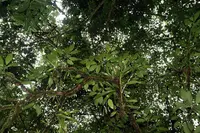
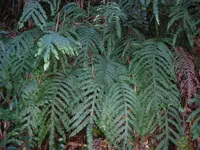
Silver fern Care (Alsophila tricolor)

Also known as: ponga, silver tree-fern
Silver fern

About Silver fern

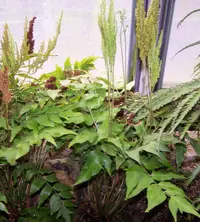
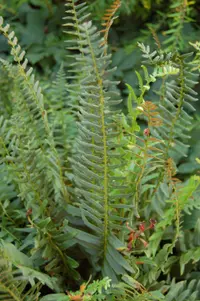
Silver fern, Alsophila tricolor, is a tree fern valued for its finely divided fronds and graceful, upright growth. It develops a woody trunk over time, giving it a small, palm-like silhouette. Native to tropical and subtropical forests, it thrives in warm, humid, and shaded understory conditions with consistently moist, well-drained soil. The plant can be moderately demanding, as it dislikes drying out, abrupt temperature changes, and low humidity. With a stable environment and gentle handling of its delicate roots and fronds, it adapts well to sheltered gardens or bright, indirect indoor spots. Understanding how to care for Silver fern helps maintain its foliage dense and healthy.

Main Plant Requirements

Care Difficulty

Moderate Care

Light Preference

Partial Shade

Water Requirements

Keep Soil Moist

Temperature Preference

Tropical / Frost Sensitive

Hardiness Zone

10–11

Soil Texture

Loamy, Peaty, Organic-rich

Soil pH

Acidic (5.5–6.5)

Soil Drainage

Moist but well-drained

Fertilization

Light (every 4–6 weeks)

Get Personalized Care Plan

Scan your plant to receive care tips personalized for your specific plant

Available on iOS and Android

How to Care for the Silver fern

This tree fern prefers bright, gentle light that mimics a forest understory.

  • Provide 2–4 hours of soft morning sun with bright, filtered light the rest of the day; avoid harsh midday and afternoon sun that can scorch fronds.
  • Site Silver fern in dappled shade under taller plants or trees, especially in summer, to protect delicate new growth from intense UV exposure.
  • Watch frond color and stretch: pale, crispy edges suggest too much sun, while long, sparse fronds indicate insufficient light and too much shade.

This fern requires evenly moist but never waterlogged soil to maintain healthy fronds.

  • Water when the top 2–3 cm of soil feel slightly dry, then apply enough water to moisten the full root zone without leaving standing water.
  • Use rich, humus-based soil with very good drainage; on slopes or raised beds, water more deeply but less often to reduce runoff and root rot risk.
  • In hot, dry weather increase checks to daily, watching for drooping, crisping tips from underwatering; yellowing, limp fronds often indicate overwatering or poor drainage in Alsophila tricolor.

This species prefers consistently mild, frost-free conditions throughout the year.

  • Aim for 65–80°F (18–27°C) for active growth, with stable temperatures and moderate humidity to reduce stress on new fronds.
  • Protect from cold snaps below 45°F (7°C); prolonged exposure near 32°F (0°C) can damage the crown and may kill the plant.
  • In hot spells above 86°F (30°C), increase shade and soil moisture, and avoid planting in spots exposed to hot, drying winds or reflected heat from walls or paving.

This fern needs consistently high humidity to maintain healthy fronds and avoid desiccation.

  • Aim for 60–80% humidity; growth slows and fronds crisp at prolonged levels below 50%.
  • Dry indoor air causes browning tips, rolled fronds, and stalled new growth as humidity stress signs.
  • Increase humidity with a nearby humidifier, grouped plants, and a pebble tray, avoiding mist that keeps fronds wet.

Alsophila tricolor prefers a loose, moisture-retentive yet fast-draining, organic-rich medium.

  • Use a mix of roughly 50% peat or coco coir, 25% fine bark, and 25% perlite or pumice for structure and drainage.
  • Maintain slightly acidic soil around pH 5.5–6.5 to support nutrient uptake and root health.
  • Ensure the mix stays evenly moist but never waterlogged by combining spongy materials with ample coarse particles for aeration.
  • Avoid heavy garden soil, pure compost, or clay-rich mixes that compact, suffocate roots, and hold excess water.

This species is suitable for container growing when given a deep, stable pot that manages moisture well.

  • Choose a tall, weighted container to counter the top-heavy crown and prevent tipping in wind or when moved.
  • Select slightly porous materials like unglazed ceramic if strong evaporation control is needed in humid climates.
  • Use a raised pot stand or feet so drainage holes stay clear and runoff leaves the container quickly after watering.

Alsophila tricolor responds well to modest, consistent nutrition during active growth.

  • Use a balanced liquid fertilizer (around 10-10-10) at 1/4–1/2 strength every 4–6 weeks in spring and summer.
  • Alternatively, top-dress with a thin layer of fine compost plus a small amount of slow-release fern fertilizer at the start of spring.
  • Skip feeding in winter or any dormant period to avoid weak, elongated growth.
  • Water thoroughly before and after feeding to prevent root burn in this Silver fern.

Pruning Alsophila tricolor is mainly hygienic, focused on removing old fronds while preserving its natural form.

  • Best time for pruning is late winter to early spring, before strong new growth emerges.
  • Cut dead, yellowing, or damaged fronds at the base with clean, sharp pruners or a knife.
  • Remove only a few crowded lower fronds at a time to keep the crown open and stable.
  • Disinfect tools before and after use to limit disease spread through cut surfaces.

This tree fern dislikes disturbance, so repotting or transplanting is done only when clearly necessary.

  • Look for roots circling the pot, pushing through drainage holes, or noticeably slowed growth over a full season.
  • Plan repotting or transplanting for early spring, every 3–5 years at most, choosing just one size larger container or a permanent ground site.
  • Keep the root ball as intact as possible, setting the trunk at the same depth to avoid rot or stress.
  • Water thoroughly, provide shade, and maintain high humidity for several weeks after moving Alsophila tricolor.

Propagation of Alsophila tricolor is specialized and usually left to experienced growers or nurseries.

  • Primary method is from spores, collected from mature fronds when sporangia turn brown and dry.
  • Sow spores on sterile, moist, finely milled peat or a fern mix, kept at 70–75°F with very high humidity and low light.
  • Maintain a covered container or terrarium to avoid surface drying; germination can take several weeks to months.
  • Young fern gametophytes and sporophytes are extremely delicate and should not be disturbed until dense and well established.

This fern is sensitive to freezing conditions and benefits from careful winter protection in cool climates.

  • In regions below about 30°F, grow in containers and move plants indoors to a cool, bright, frost-free space.
  • For in-ground specimens in mild areas, apply a 5–10 cm mulch layer around the root zone, keeping it off the trunk.
  • Wrap the trunk and crown loosely with breathable fabric or horticultural fleece during cold snaps to limit freeze damage.

Care Tips

Sturdy trunk support

Install a discreet stake or moss pole early and loosely tie the developing trunk with soft ties so the tall, relatively soft stem stays upright and does not kink as fronds gain weight.

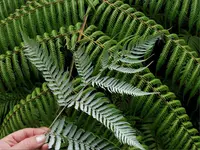
Frond spacing management

Remove only the oldest, lowest fronds at the base when they yellow to open airflow through the crown, which reduces fungal issues while preserving the plant’s energy for new frond production.

Moisture-retentive mulching

Top-dress the root zone with a 1–2 in layer of fine pine bark or fern fiber to keep the shallow roots cool and evenly moist while also buffering against rapid evaporation in heated rooms.

Gentle crown protection

When indoor air is very dry, protect the central crown by placing the pot on a wide pebble tray and directing any fan or vent away from the top so emerging fronds do not dry, deform, or stall.

Careful repot timing

Repot only in early spring and move up just 2–3 cm in pot diameter, handling the root ball gently so the plant can reestablish quickly and avoid transplant shock while growing Silver fern in containers.

Common Pests and Diseases

Scale insects

These insects attach to fronds and stems, sucking sap and causing yellowing, stunted growth, and sticky honeydew on the foliage.

Solution

Remove heavily infested fronds, then wipe remaining scales off rachis and stipes with a soft cloth dipped in diluted insecticidal soap or horticultural oil; repeat every 7–10 days and keep humidity stable to reduce plant stress and improve Alsophila tricolor care.

Mealybugs

These insects form white, cottony clusters where fronds emerge and along the midrib, weakening the plant and distorting new growth.

Solution

Isolate the plant, dab visible mealybugs with cotton swabs dipped in isopropyl alcohol, then follow with 2–3 treatments of insecticidal soap, ensuring good coverage of undersides of fronds and tight leaf bases while avoiding direct sun during and after application.

Spider mites

These pests thrive in dry indoor air, causing fine stippling, dull fronds, and very fine webbing along the undersides of pinnae.

Solution

Rinse fronds thoroughly with a gentle, lukewarm shower to dislodge mites, then increase humidity to 60–70% and apply insecticidal soap or a light horticultural oil spray to the undersides of fronds, repeating weekly until new growth appears clean.

Bacterial blight

This disease produces water-soaked, dark brown to black lesions on young fronds that can spread rapidly in warm, wet conditions.

Solution

Promptly remove and discard affected fronds, avoid overhead watering, improve air movement around the plant, and keep foliage dry; disinfect cutting tools with 70% alcohol between cuts and, in severe recurring cases, replace the plant and sterilize containers and benches.

Leaf spot fungus

Symptoms include scattered brown to black spots or blotches on fronds, sometimes with yellow halos, often triggered by persistent leaf wetness and poor air circulation.

Solution

Prune out and discard spotted fronds, water at the soil line rather than over the crown, space plants to improve airflow, and if needed use a labeled copper or chlorothalonil-based fungicide, applying according to instructions and monitoring new fronds for clean growth.

Interesting Facts

Distinctive tri‑colored fronds

This tree fern is known for its fronds that can show contrasting tones of green, bronze, and sometimes reddish tints on new growth, creating a marked color gradient along the frond rather than a uniform green.

True tree fern structure

Alsophila tricolor forms an upright trunk made from a dense column of old leaf bases and roots, which acts as a living support for the crown of fronds and also stores moisture for the plant.

Moist forest specialist

In its native habitat it is typically found in consistently moist, sheltered forest sites, where filtered light, high humidity, and cool, stable temperatures favor its slow development and long-lived fronds.

FAQs about Silver fern

Growth is moderate. Young plants usually add 10–30 cm of frond length per year if moisture, warmth, and nutrients are consistent. In less-than-ideal conditions, expect slower development and a more compact, sparse-looking crown.

Grow Healthy Plants with Botan Care

Keep your plants happy and healthy with plant identification, disease detection, and easy care guidance.

Botan plant care app — identify plants on mobile

Explore More Plants