Moisture-retentive mulch
Apply a 2–3 cm layer of fine pine bark or shredded leaf mold over the root zone to keep the shallow rhizomes evenly moist and cool without smothering the fronds.

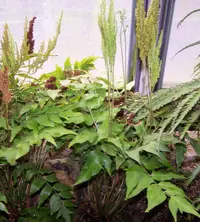
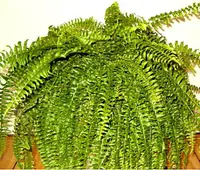
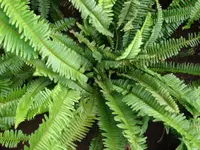
Mexican fern, Anemia mexicana, is a small, delicate fern known for its airy, divided fronds and fine, almost feathery texture. It forms loose clumps rather than tight rosettes, giving it a light, graceful look in pots or shaded beds.
This species is native to rocky, seasonally dry habitats in Mexico and nearby regions, where it often grows in crevices or on slopes. It can be more demanding than common house ferns because it dislikes extreme dryness yet also needs excellent drainage.
Stable moisture, dappled light, and a loose, gritty, organic-rich substrate are the main points to remember when learning how to care for Mexican fern.

Care Difficulty
Moderate Care

Light Preference
Partial Shade

Water Requirements
Keep Soil Moist

Temperature Preference
Tropical / Frost Sensitive

Hardiness Zone
9–11

Soil Texture
Loamy, Silty, Organic-rich

Soil pH
Acidic (5.5–6.5), Slightly acidic (6.5–7.0)

Soil Drainage
Moist but well-drained

Fertilization
Light (every 4–6 weeks)
Scan your plant to receive care tips personalized for your specific plant
Available on iOS and Android
This fern prefers bright, filtered light that mimics a lightly shaded woodland edge.
This species prefers consistently moist, never waterlogged, soil around its rhizomes.
This fern grows best in mild, frost-free conditions with moderate warmth.
This fern prefers consistently moist air and reacts quickly to dry conditions.
Anemia mexicana grows best in loose, humus-rich soil that stays evenly moist but drains freely.
This species is suitable for container growing when moisture and stability are managed carefully.
This fern benefits from modest feeding during active growth but reacts poorly to heavy fertilizer.
Pruning Anemia mexicana focuses on hygiene and maintaining a neat, airy clump.
Handling this fern’s roots gently is important when repotting or transplanting.
Propagation of Anemia mexicana is possible but more advanced than for many common houseplants.
This fern prefers mild climates and needs protection in regions with freezing winters.

Plant Health Check
Not sure what's wrong with your plant? Check your plant's health inside the app.
This fern typically grows on limestone cliffs and steep rocky slopes in northeastern Mexico and south Texas, anchoring its rhizomes into thin pockets of calcareous soil.
In many parts of its native range, the fronds die back during hot, dry periods and regrow when moisture and cooler temperatures return, an adaptation to seasonal drought.
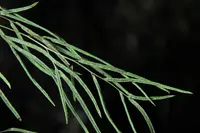
Its fronds are finely divided into many small leaflets, creating a delicate, lacy texture that distinguishes it from many coarser North American ferns.
This species is one of very few ferns native to both Mexico and the southern United States that has adapted to exposed, sunlit limestone habitats, rather than the shaded, moist forest floors where most ferns typically occur.
Yellowing fronds usually come from chronic overwatering, poor drainage, or natural aging of older fronds. Check that the root zone is moist but not saturated, improve drainage, and trim old fronds so new growth receives light.
Keep your plants happy and healthy with plant identification, disease detection, and easy care guidance.