Llavea Care (Llavea cordifolia)

Alex Yar, Botan author
Reviewed byAlex Yar
Plant Expert

About Llavea

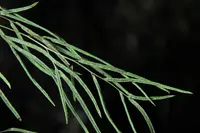
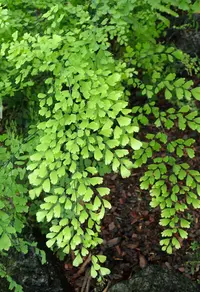
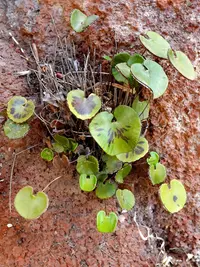
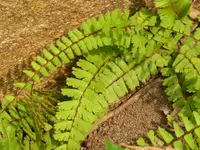
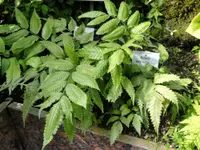
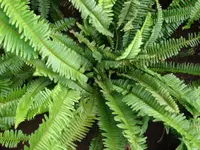
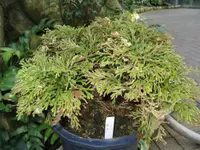
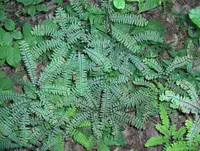
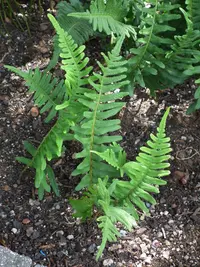
Llavea cordifolia is a small, clumping fern native to rocky, shaded habitats in Mexico and Central America. It forms low, arching fronds with a distinctly divided, lace-like look.

This fern often grows on limestone cliffs and in crevices, so it prefers good drainage and consistent moisture rather than soggy soil. It suits terrariums, shaded rock gardens, and protected indoor spots.

Growth can be slow, and it dislikes extreme drying or harsh sun, which makes it slightly more demanding than common house ferns. Learning how to care for Llavea helps keep it stable over many years.

Main Plant Requirements

Care Difficulty

Moderate Care

Light Preference

Partial Shade

Water Requirements

Keep Soil Moist

Temperature Preference

Tropical / Frost Sensitive

Hardiness Zone

9–11

Soil Texture

Loamy, Peaty, Organic-rich

Soil pH

Acidic (5.5–6.5)

Soil Drainage

Moist but well-drained

Fertilization

Minimal (feed rarely)

Get Personalized Care Plan

Scan your plant to receive care tips personalized for your specific plant

Available on iOS and Android

How to Care for the Llavea

This fern prefers soft, filtered light that mimics a shaded woodland floor.

  • Provide bright, indirect light or dappled shade, such as under taller plants or a shade cloth allowing 30–50% sunlight through.
  • Allow 2–4 hours of gentle morning sun but avoid direct midday and afternoon sun, which can scorch fronds and cause pale, crispy tips.
  • In summer, shift Llavea to deeper shade if fronds fade or curl; in low-light seasons, choose brighter shade to keep growth compact and healthy.

This species needs steadily moist but not waterlogged soil.

  • Water when the top 2–3 cm of soil feels barely dry, using enough to moisten the full root zone without leaving standing water.
  • In spring and summer, check moisture 2–3 times weekly; in cooler seasons, let the surface dry slightly more to prevent root rot.
  • Leaves that yellow and feel soft suggest overwatering, while drooping, crisp fronds in dry soil indicate underwatering; improve drainage with organic matter if water lingers.

This fern thrives in mild, stable temperatures with protection from frost and extreme heat.

  • Aim for 60–75°F (16–24°C) as the main growing range, where fronds expand steadily and stay a deep green.
  • Protect from cold below 40°F (4°C); brief dips to 35°F (2°C) may be tolerated, but hard frost can damage or kill fronds.
  • In hot spells above 85°F (29°C), increase shade and humidity, avoid hot, reflective surfaces, and never place the plant near drying winds or heat sources.

This fern prefers consistent moderate to high humidity for best frond health.

  • Aim for 50–70% humidity; use a room humidifier or place the pot on a pebble tray with water below the pot base.
  • Llavea cordifolia tolerates short spells of drier air but may develop crisp tips and slower growth under prolonged low humidity.
  • Increase moisture around the plant by grouping it with other ferns and keeping it away from drying vents or fans.

This species grows best in loose, moist, organic-rich soil that drains freely yet does not dry out quickly.

  • Use a mix of roughly 50% peat or coco coir, 30% fine bark, and 20% perlite to create a fibrous, airy structure.
  • Ensure the mix drains within a few seconds when watered yet still feels lightly damp when squeezed, avoiding waterlogged clumps.
  • Keep pH slightly acidic to neutral, around 6.0–7.0, which supports nutrient uptake and root activity for Llavea cordifolia.
  • Improve aeration by adding extra bark or perlite if the mix feels heavy or compacts after watering, and avoid dense clay-based soils.

This fern is well suited to container growing when provided with stable moisture and space for its creeping rhizomes.

  • Choose a wide, shallow pot so the rhizomes can spread horizontally rather than forcing roots into a deep, compact column.
  • Select a heavier clay or ceramic container outdoors to reduce tipping as the fronds arch outward and catch wind.
  • Raise the pot slightly on feet or pot risers so drainage holes stay clear and excess water can exit quickly after each watering.

This fern benefits from light, consistent feeding during active growth but is sensitive to excess salts.

  • Use a balanced, diluted liquid fertilizer (for example 10-10-10 or 20-20-20 at 1/4 strength) every 4–6 weeks in spring and summer.
  • Alternatively, apply a thin layer of fine compost or a low-dose slow-release fertilizer to the potting mix surface.
  • Flush the pot with plain water occasionally to prevent fertilizer salt buildup around Llavea roots.
  • Stop feeding in fall and winter when growth slows, resuming only once new fronds appear.

Llavea cordifolia needs only light, maintenance pruning to stay tidy and healthy.

  • Best time for pruning is late winter to early spring, just before new fronds emerge.
  • Remove dead, yellowing, or damaged fronds at the base with clean, sharp scissors or pruners.
  • Thin out crowded inner fronds sparingly to improve air flow without exposing the crown too much.
  • Avoid cutting into the central crown, as this can weaken the plant and slow new growth.

This fern prefers stable conditions and only occasional repotting or transplanting.

  • Repot when roots circle the container, grow through drainage holes, or when growth becomes noticeably slow.
  • Aim to repot every 2–3 years in spring, using a slightly larger pot with a loose, humus-rich, well-draining mix.
  • Water the plant well before and after moving it, handling roots gently to limit stress and breakage.
  • Keep Llavea cordifolia in shaded, humid conditions for 1–2 weeks after repotting to help recovery.

Propagation of Llavea cordifolia is possible but slower than many common ferns.

  • Division of mature clumps in early spring is the most practical method for home growers.
  • Lift the plant carefully, then separate sections with several healthy fronds and intact rhizomes and roots.
  • Replant divisions in moist, well-draining, humus-rich mix and keep humidity high with steady, indirect light.
  • Spore propagation is possible but requires sterile conditions, fine moist substrate, and more time to establish.

This fern prefers mild, frost-free winters and benefits from moderate protection in colder regions.

  • Llavea cordifolia is only lightly frost tolerant; avoid exposure below about 30°F if possible.
  • Mulch the root zone with 5–8 cm of leaf mold or bark in the ground to buffer temperature swings.
  • Move container plants indoors or into a cool greenhouse, keeping them above freezing with bright, indirect light.
  • Reduce watering in winter, keeping the soil just lightly moist and never waterlogged in cool conditions.

Care Tips

Rhizome elevation

Plant the rhizomes slightly proud of the soil surface or on a shallow mound so that the crown stays aerated and less prone to rot in consistently moist fern substrates.


Cool-root positioning

Place the pot inside a slightly larger cachepot with damp sphagnum moss between them to keep roots cool and evenly moist, which supports steadier frond production when growing Llavea.

Frond hygiene

Rinse fronds gently under lukewarm water every 4–6 weeks to remove dust and spores, improving light capture and reducing spider mite and scale infestations.

Dividing for vigor

Every 3–4 years, divide the clump by cutting the rhizome into sections with at least 3–4 healthy fronds each, then replant promptly to rejuvenate growth and prevent overcrowding in the center of the plant.

Shaded hardening-off

When moving a pot from indoors to a shaded outdoor spot for summer, increase outdoor exposure in 1–2 hour increments over 7–10 days to prevent frond scorch and sudden moisture stress.

Common Pests and Diseases

Scale insects

This pest is sometimes found on the undersides of fronds and along rachises of Llavea in shaded, humid collections. Symptoms include sticky honeydew, sooty mold on fronds, and slow, uneven frond growth.

Solution

Remove heavily infested fronds and gently scrape or wipe remaining scales with a cotton swab dipped in alcohol, then rinse fronds with water. Improve air movement around the plant, avoid overfertilizing with high nitrogen, and if needed use a light horticultural soap or oil, making sure spray reaches the frond midribs and the underside where scale settle.

Fern aphids

These insects can colonize soft young fronds and fertile frond tissue, especially in moist greenhouse or terrarium conditions. Symptoms include curled or distorted new fronds, sticky residue, and presence of small green or black insects on frond edges and tips.

Solution

Shower the plant gently with lukewarm water to dislodge aphids, repeating every few days. For persistent populations, apply an insecticidal soap to both sides of the fronds and reduce excess nitrogen feeding that encourages very soft, aphid-prone growth.

Rhizoctonia leaf spot

This disease may appear on Llavea under very wet, stagnant air conditions, especially in dense fern benches. Symptoms include irregular tan to brown lesions along the frond segments that may coalesce, causing whole pinnae to die back from the margins inward.

Solution

Promptly remove and discard affected fronds, then increase air circulation and avoid wetting foliage late in the day. Allow the surface of the substrate to dry slightly between waterings, and in severe or recurring cases use a fern-safe fungicide labeled for Rhizoctonia, following all label directions.

Pythium crown rot

This disease can affect Llavea crowns in overly wet, poorly drained substrates typical of some fern benches. Symptoms include sudden collapse of fronds from the base, browning at the crown, and a soft, water-soaked texture at the growing point even when the potting mix looks wet and cold.

Solution

Discard severely affected plants, since recovery is unlikely once the crown is mushy. For early or suspected cases, improve drainage, repot into a loose, well-aerated fern mix, reduce watering frequency, and if growing Llavea cordifolia care is long term, keep crowns slightly above the soil line and avoid standing water under pots.

Interesting Facts

Single-species genus

This fern is the only species in the genus Llavea, making it taxonomically distinctive within the family Pteridaceae and of special interest in fern systematics.

Unusual leaf design

Its fronds have a paired, opposite leaflet arrangement that makes them resemble a pinnate flowering plant more than a typical fern, which can cause misidentification by non-specialists.

Mexican limestone specialist

In the wild it is native mainly to Mexico, where it grows on shaded limestone cliffs and rocky slopes, showing a strong preference for calcareous, well-drained substrates.

Botan icon

Did you know?

This species is often used as a morphological reference in studies of fern evolution because its frond structure is so distinctive among its relatives that it helps clarify relationships within the diverse Pteridaceae family.

FAQs about Llavea

Growth is slow to moderate. New fronds usually appear in flushes during the warm season, and clumps may take several years to fill a pot or small bed, especially in lower light or cooler, drier conditions.

Grow Healthy Plants with Botan Care

Keep your plants happy and healthy with plant identification, disease detection, and easy care guidance.

Botan plant care app — identify plants on mobile

Explore More Plants