Thelypteris simplex Care

About Thelypteris simplex

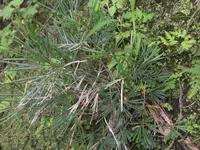
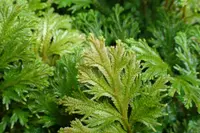
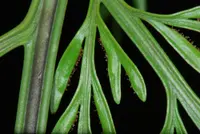
Thelypteris simplex is a terrestrial fern with slender, arching fronds that form a soft, upright clump. It has finely divided leaf segments that give a delicate, lacy look. This species occurs naturally in moist, shaded habitats, often along forest edges and stream banks in tropical and subtropical regions. It prefers consistently damp soil and protection from strong direct sun. In cultivation, it is considered moderately easy if moisture and shade needs are met, but it can decline quickly if allowed to dry out. Understanding how to care for Thelypteris simplex starts with providing stable humidity, cool to mild temperatures, and well-drained but always slightly moist soil.

Main Plant Requirements

Care Difficulty

Moderate Care

Light Preference

Partial Shade

Water Requirements

Keep Soil Moist

Temperature Preference

Warm Climate

Hardiness Zone

9–11

Soil Texture

Loamy, Silty, Organic-rich

Soil pH

Acidic (5.5–6.5), Slightly acidic (6.5–7.0)

Soil Drainage

Moist but well-drained

Fertilization

Minimal (feed rarely)

Get Personalized Care Plan

Scan your plant to receive care tips personalized for your specific plant

Available on iOS and Android

How to Care for the Thelypteris simplex

This fern prefers soft, indirect light that mimics a woodland edge or stream bank.

  • Provide bright, filtered light or open shade, with dappled morning sun for 2–4 hours and no harsh afternoon sun.
  • Tolerates partial shade and even deep shade, but fronds become sparse and elongated if light is too low for extended periods.
  • Protect Thelypteris simplex from direct midday sun, which can scorch fronds and dry soil quickly, especially in summer at southern exposures.

Moist, evenly damp soil suits this fern best, without long dry spells or waterlogging.

  • Check the top 2–3 cm of soil; water when it feels slightly dry but still cool, aiming to keep lower layers consistently moist.
  • In hot, dry weather increase watering frequency, while in cool seasons let the surface dry a bit more to reduce rot risk.
  • Watch for limp, crisping fronds as a sign of underwatering, and yellowing, blackened bases or sour smell as indicators of overwatering or poor drainage.

Stable, mild temperatures similar to a cool, shaded woodland promote healthy growth.

  • Ideal growth occurs around 60–77°F (16–25°C), with good performance in sheltered, humid garden spots protected from strong, hot winds.
  • Thelypteris simplex generally tolerates brief dips to about 40°F (4°C), but repeated near-freezing nights slow growth and can damage young fronds.
  • Avoid temperatures above 86°F (30°C) in full sun; provide shade and extra moisture during heat waves and protect from any frost, which can burn or collapse fronds.

This fern prefers consistently moist air to keep fronds lush and reduce stress.

  • Aim for 60–80% humidity, as Thelypteris simplex comes from naturally humid habitats.
  • Tolerates brief dips to 40–50%, but prolonged dry indoor air causes browning tips and crisp edges.
  • Increase humidity with a pebble tray, grouped plants, or a cool-mist humidifier placed nearby, not blowing directly.

This species grows best in loose, moist, organic-rich soil that drains freely yet never dries out completely.

  • Use a mix of roughly 50% peat or coco coir, 30% compost, and 20% perlite or fine bark to mimic a woodland floor.
  • Target slightly acidic to neutral pH around 5.5–7.0, which supports nutrient uptake and healthy root growth.
  • Improve aeration by blending in chunky particles like fine bark, avoiding dense clay or heavy, compacted substrates.
  • Avoid mixes that stay waterlogged, as stagnant water reduces oxygen around roots and increases rot risk for Thelypteris simplex.

This fern adapts well to container growing when moisture and root space are managed carefully.

  • Choose a wider, shallow pot to accommodate its spreading root system and maintain even moisture across the soil surface.
  • Select a heavier material like ceramic or clay to stabilize the plant and reduce tipping as fronds arch outward.
  • Elevate the pot slightly on feet or risers so drainage holes stay clear and excess water can escape quickly.

This fern grows well in humus-rich soil and benefits from light feeding in containers or poor ground conditions.

  • Use a balanced liquid fertilizer (around 10-10-10) diluted to 1/4–1/2 strength for Thelypteris simplex in pots.
  • Feed every 4–6 weeks during spring and summer if growth appears pale or weak.
  • Skip synthetic fertilizer in rich beds and instead top-dress with a thin layer of compost once per year.
  • Stop feeding in fall and winter to avoid forcing soft, weak growth during lower light conditions.

This species needs only light, maintenance pruning to keep fronds tidy and healthy.

  • In late winter or early spring, remove dead, yellowed, or diseased fronds at the base with clean scissors or pruners.
  • Cut back storm-damaged or torn fronds promptly to limit pest and fungal entry points.
  • Thin out overcrowded fronds in dense clumps to improve air movement and maintain an open, arching habit for Thelypteris simplex.
  • Disinfect blades before and after use with alcohol to reduce transmission of fungal spores.

This fern is more often grown in the ground, but container plants or crowded clumps benefit from periodic transplanting.

  • Check for roots circling the pot drainage holes, compacted soil, or slowed growth as signs it needs a larger container or division.
  • Plan repotting or garden transplanting in early spring, just before new fronds emerge, to minimize stress.
  • Typically move or divide clumps every 3–4 years, choosing a slightly larger pot or fresh, humus-rich planting spot.
  • Water thoroughly before and after moving, keep roots shaded, and maintain even moisture for 2–3 weeks to support recovery.

This fern is usually propagated by division, which maintains the exact traits of the parent plant.

  • Divide mature clumps of Thelypteris simplex in early spring when new croziers are just emerging.
  • Lift the clump carefully, then separate sections with several healthy fronds and firm roots using a clean knife or hand pull.
  • Replant divisions at the same depth in moist, humus-rich soil, spacing to allow future spread.
  • Keep soil evenly moist and provide shade or diffused light until divisions establish and produce new fronds.

This fern is moderately cold hardy in many temperate regions and often needs only simple winter preparation outdoors.

  • In climates colder than its usual range, apply a 5–8 cm mulch layer over the root zone after the first hard frost.
  • Allow fronds to die back naturally, then cut them close to the ground in late winter to tidy the plant.
  • Move container-grown plants into a sheltered, frost-free but cool spot if prolonged freezes are expected for Thelypteris simplex.
  • Water sparingly in winter, keeping the root ball just barely moist rather than wet to prevent rot in cold soil.

Care Tips

Rhizome Division Timing

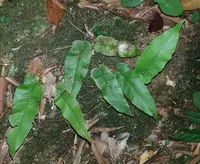
Divide clumps only in early spring when new croziers are just emerging, lifting the whole plant, slicing the rhizome into firm, rooted sections, and replanting immediately to reduce transplant shock.

Edge Moisture Management

In borders or along water features, create a shallow, mulched basin around the planting area so runoff collects near the roots, keeping the consistently moist conditions this species prefers without frequent overhead watering.

Frond Clean-Up Protocol

Remove old, diseased, or storm-damaged fronds at the base with clean, sharp pruners during late winter to early spring to reduce fungal spore load and encourage a flush of healthy new growth.

Shaded Groundcover Use

Plant several individuals 30–45 cm apart in humus-rich soil to create a dense, living mulch that suppresses weeds and stabilizes moist, shaded slopes or stream banks.

Pest and Disease Monitoring

When caring for Thelypteris simplex in sheltered, humid plantings, check the undersides of fronds monthly for scale insects, mites, and rust spotting, and remove affected fronds early to prevent spread in the colony.

Common Pests and Diseases

Scale insects

These insects attach to fronds and stems, feeding on sap and causing yellowing, stunting, and sticky honeydew on the foliage.

Solution

Remove heavily infested fronds and gently scrape or wipe insects off with a cotton pad dipped in alcohol, then rinse the plant thoroughly; in shaded, moist fern plantings, maintaining good air circulation and periodically washing fronds with water helps prevent re‑infestation when caring for Thelypteris simplex.

Fern aphids

These insects cluster on the soft rachis and young frond bases, leading to distorted growth and a sticky surface that can develop sooty mold.

Solution

Rinse colonies off with a firm stream of water, then spot‑treat remaining clusters with insecticidal soap, repeating every 5–7 days until new growth appears clean and monitoring nearby ferns for spread.

Rhizoctonia blight

This disease causes brown, collapsing frond bases and patchy dieback in clumps, often starting in overly wet or crowded plantings.

Solution

Cut out and discard affected fronds at the base, thin crowded crowns to increase airflow, avoid overhead watering, and, in persistent cases, treat the soil surface and crowns with a labeled fungicide while correcting drainage and spacing issues.

Leaf spot fungi

Symptoms include small dark or tan lesions on pinnae that can merge into larger necrotic patches under prolonged humidity and leaf wetness.

Solution

Remove and discard affected fronds, water at the soil level rather than from above, improve airflow around the fern, and if spotting continues, apply a fern‑safe fungicide according to label directions during humid periods.

Snails and slugs

These pests chew irregular holes in fronds, often along the edges and tips, and are most active at night in damp planting sites.

Solution

Hand‑pick snails and slugs in the evening, reduce dense ground cover and leaf litter around the fern crown, and, if damage is significant, use iron phosphate bait placed away from direct contact with the fern to reduce populations.

Interesting Facts

Rhizome-based spread

This fern forms slender, creeping rhizomes just below the soil surface, allowing it to slowly colonize moist ground and form loose colonies rather than dense, tufted clumps.

Preference for wet habitats

In the wild it is most often found along stream banks, wet forest floors, and swampy margins, where constant soil moisture and partial shade support continuous frond production.

Delicate but persistent fronds

Its narrow, simple-pinnate fronds appear delicate but are produced over a long growing season in suitable climates, maintaining a relatively fine, uniform texture in understory vegetation.

FAQs about Thelypteris simplex

This fern spreads by short creeping rhizomes, forming small to medium clumps rather than running aggressively. In suitable moist, shaded sites it can slowly naturalize, but it is usually manageable with occasional division and edging.

Grow Healthy Plants with Botan Care

Keep your plants happy and healthy with plant identification, disease detection, and easy care guidance.

Botan plant care app — identify plants on mobile

Explore More Plants