Rhizome Positioning
Set the rhizomes slightly above or just at the soil surface on a shallow, wide container so new fronds can emerge freely and excess moisture does not collect around the growing points.

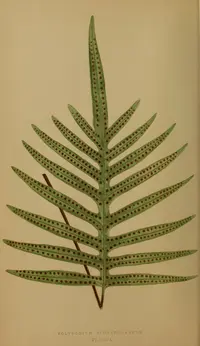
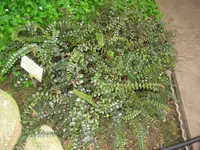
False golden polypody (Phlebodium pseudoaureum) is an evergreen epiphytic fern, often found growing on trees or rocks rather than in soil. It forms loose clumps of arching, deeply lobed fronds with a soft blue-green color.
In nature, it occurs in tropical and subtropical forests of the Americas, where it enjoys warm, humid, shaded habitats. Its preference for steady moisture, good air circulation, and indirect light makes it moderately easy indoors if conditions are stable.
The rhizomes creep along the surface of the potting mix, giving the plant a slightly wild, trailing look over time. Understanding how to care for false golden polypody mainly involves recreating its naturally humid, shaded environment without waterlogging the roots.

Care Difficulty
Moderate Care

Light Preference
Bright Indirect Light

Water Requirements
Keep Soil Moist

Temperature Preference
Tropical / Frost Sensitive

Hardiness Zone
9–11

Soil Texture
Loamy, Peaty, Organic-rich

Soil pH
Acidic (5.5–6.5)

Soil Drainage
Moist but well-drained

Fertilization
Light (every 4–6 weeks)
Scan your plant to receive care tips personalized for your specific plant
Available on iOS and Android
This fern prefers bright, indirect light that mimics dappled forest shade.
This species needs consistently lightly moist conditions without staying soggy.
This fern thrives in stable, mild, frost-free temperatures.
This fern prefers moderately high, stable humidity to keep fronds lush and free from stress.
This species needs a loose, airy, organic-rich medium that stays lightly moist but drains quickly.
This fern is well suited to container growing due to its shallow, spreading rhizomes.
This fern responds well to light feeding during active growth but is sensitive to excess salts.
Phlebodium pseudoaureum needs only light, hygienic pruning to stay attractive and healthy.
This fern prefers slightly snug pots and only occasional repotting to avoid stress to its creeping rhizomes.
Division is the most practical method for increasing Phlebodium pseudoaureum in home settings.
This tropical fern is frost-sensitive and needs mild, stable winter conditions, especially in containers.

Plant Health Check
Not sure what's wrong with your plant? Check your plant's health inside the app.
This fern naturally develops a blue-green or bluish-gray waxy coating on its fronds, which helps reduce water loss in the bright, exposed tree canopies where it grows in the wild.
In its native tropical forests of the Caribbean and parts of Central and South America, this species usually grows as an epiphyte, anchoring to tree branches rather than rooting in soil, while still taking nutrients and moisture from debris and rainwater.
It spreads by thick, creeping rhizomes that sit on or just above the substrate surface, allowing the plant to gradually form wide, irregular clumps over time rather than a single upright crown.

This fern can form part of the canopy microhabitat in its native range, where its rhizomes and fronds trap leaf litter and moisture, creating small pockets of organic material that support insects, tiny invertebrates, and even seedlings of other plants high above the forest floor.
Brown tips or edges usually come from low humidity, underwatering, or a buildup of salts from fertilizer. Brown patches at the base suggest root rot from soggy soil. Trim damaged fronds and correct the underlying moisture problem.
Keep your plants happy and healthy with plant identification, disease detection, and easy care guidance.