Why Is My Plant Drooping: Causes and How to Fix
Drooping leaves can result from dry soil, excess moisture, poor drainage, low humidity, temperature stress, pests, or damaged roots. This guide explains how to narrow down the cause, correct the problem, and prevent limp foliage from returning.

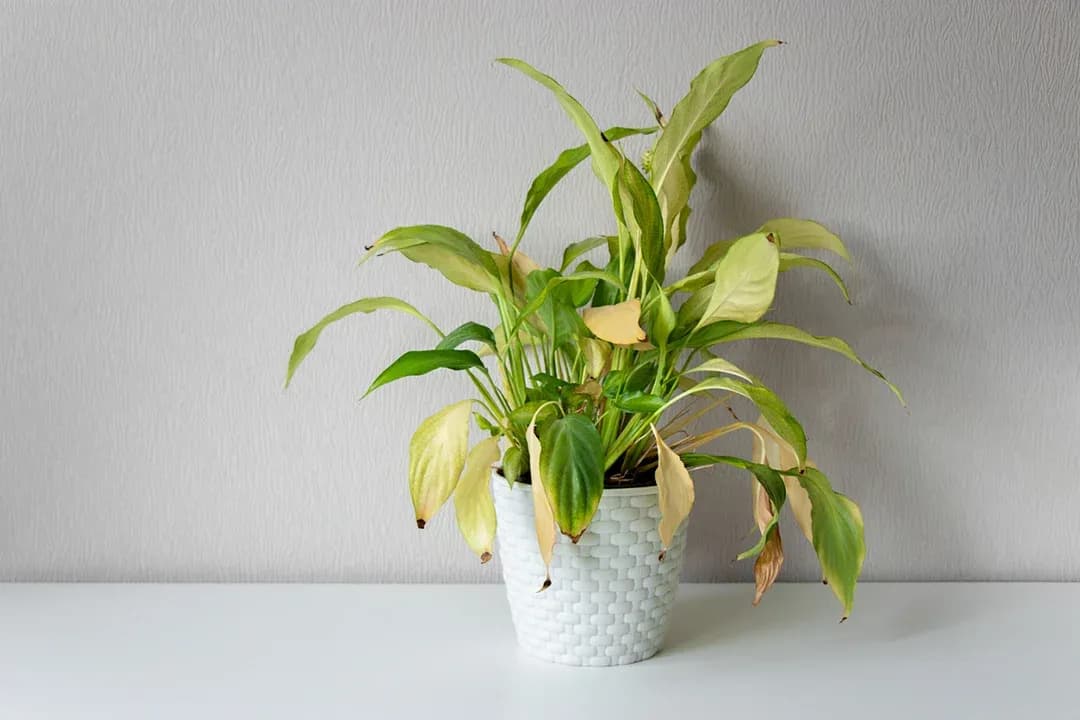
Why is my plant drooping? Both underwatering and overwatering can make leaves lose firmness, while temperature stress, low humidity, root damage, pests, or disease may cause a similar response. Check the soil first: a dry mix may point to too little moisture, while persistently wet soil can indicate excess water or poor drainage.
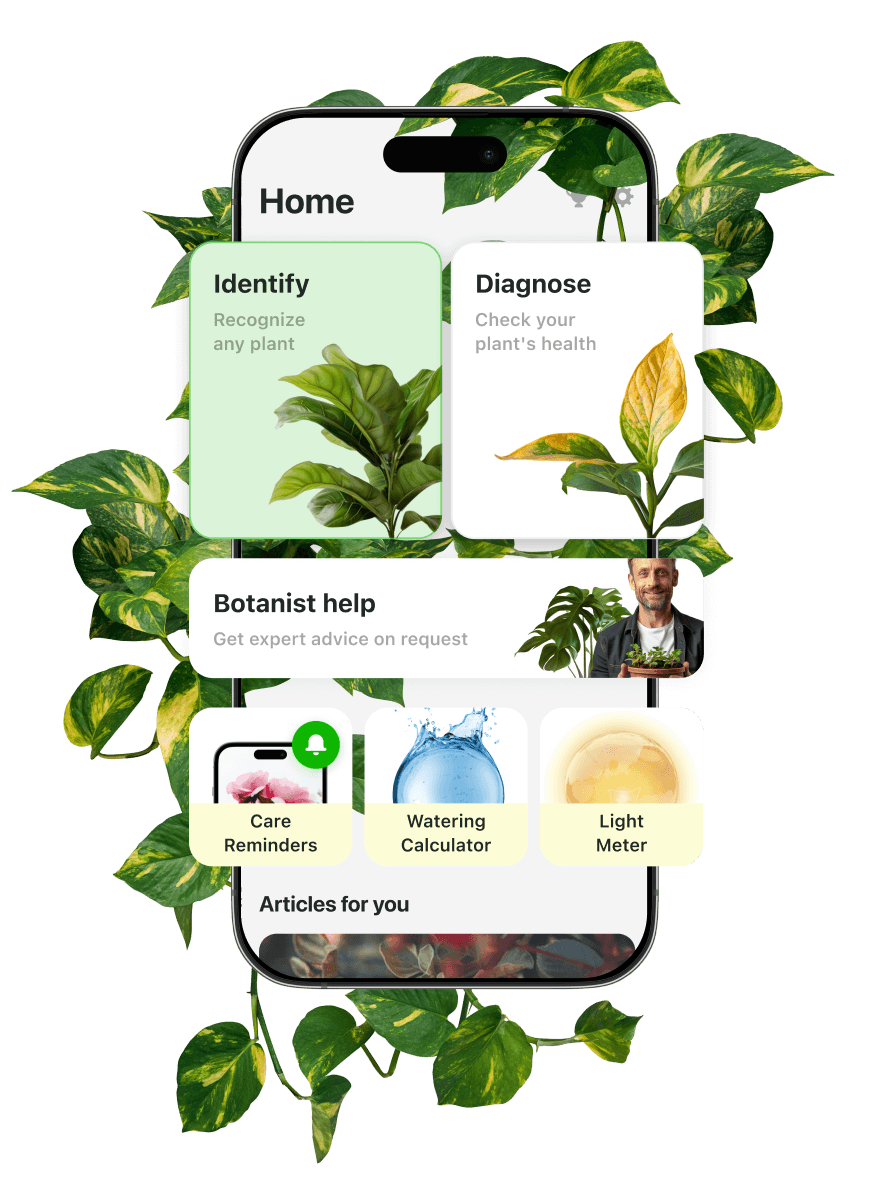
If the species is unknown, Botan can help identify houseplants from a photo and provide relevant care guidance. Once you know its needs, compare them with the current growing conditions before changing watering or moving the pot.
6 Common Causes of Drooping Leaves
Drooping often appears when plant cells lose the internal water pressure that keeps foliage firm. Dry soil is one cause, but excess moisture, root problems, light, indoor conditions, pests, and disease can produce a similar look. Check the potting mix and recent care changes before watering a droopy plant again.

1. Underwatering
When roots cannot replace moisture lost through the leaves, foliage may become limp, curl, or develop dry edges. Very dry potting mix and a noticeably lighter container are useful clues.
2. Overwatering and Poor Drainage
Saturated soil reduces oxygen around the roots and can create conditions that favor root rot in houseplants. Wilting while the potting mix is still damp, yellowing foliage, or soft brown roots may point to excess moisture.
3. Too Much or Too Little Light
Strong direct sunlight can increase water loss and trigger wilting, especially after a sudden move to a brighter spot. Low light slows growth and water use, so the potting mix may stay wet longer and increase the risk of overwatering.
4. Temperature and Humidity Stress
Low humidity can increase water loss through leaves, while heat, cold drafts, and sudden temperature changes can add further stress. You may notice indoor plant leaves drooping near a heater, air conditioner, or sunny window when the location affects the plant's moisture balance.
5. Root or Transplanting Stress
Repotting or transplanting can disturb fine roots and temporarily reduce water uptake. A root-bound plant may also dry out faster than expected, leaving foliage limp between waterings.
6. Pests or Disease
Sap-feeding pests can weaken growth, while root diseases may interfere with water uptake. Check leaf undersides for webbing, sticky residue, discoloration, or insects, and inspect the roots if soil moisture seems appropriate but drooping continues.
If you are unsure which species you have, you can use the leaves identifier to narrow down the species before you adjust its care.

Identify Your Plant's Issues Early
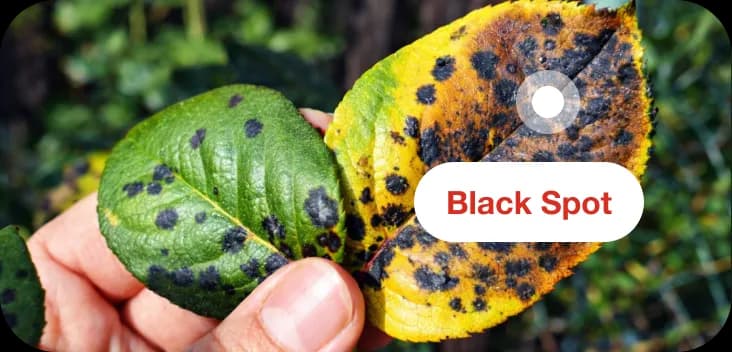
Identify plant problems before they spread
How to Fix a Droopy Plant
Start by checking the potting mix below the surface and looking for other visible changes. Avoid treating every limp leaf as a sign of thirst. The right response depends on whether the roots need moisture, better drainage, or relief from environmental stress.
What you find | What to do |
Dry potting mix | Water thoroughly and let excess moisture drain from the container. If the mix has become very dry, the bottom watering plants guide explains an alternative way to water from the base. |
Wet soil that stays damp | Pause watering and let the potting mix dry as appropriate for the species. Empty standing water from the saucer and check that the drainage holes are open. |
Heat, drafts, or harsh sunlight | Move the pot away from heaters, air conditioners, or intense direct sun. Make changes in light gradually when possible. |
Visible pests | Isolate the affected plant and inspect the leaves and stems closely. Identify the pest before choosing a treatment. |
Soft or brown roots | Reduce excess moisture and remove clearly decayed root tissue with clean tools if needed. Repotting the plant in fresh, well-draining potting mix may help when the existing soil remains waterlogged. |
Recovery may take time after the original cause has been corrected. Keep conditions stable while the plant responds, and avoid fertilizing heavily while it is stressed or showing little active growth.
Check What Your Plant Needs
Use Botan to identify it and review care needs
How to Prevent Plant Leaves From Drooping
Preventing drooping starts with care that matches the species and its growing conditions. Water use and light exposure can shift with the season, so recheck the environment throughout the year.
- Check the potting mix before each watering. Let excess moisture drain fully, and keep drainage holes clear.
- Match light to the species, and make location changes gradually. Keep sensitive plants away from heaters, air conditioners, and cold drafts.
- Maintain humidity at a level suited to the species, especially during colder months when indoor heating can dry the air.
- Inspect foliage and stems regularly for early signs of pests or disease. Address problems promptly to limit further stress.
- Supply nutrients during active growth as needed, following fertilizer label directions.
Room placement can also affect long-term plant health. When choosing a plant for a sleeping space, consider bedroom plants whose light and humidity needs suit the conditions in the room.
FAQ
Drooping leaves on a plant often indicate water-related stress or another problem affecting moisture uptake. Dry or saturated soil, root problems, temperature, humidity, pests, or disease can all be involved.
Alex Yar
Plant Expert
7+ years of experience studying plants, researching their diseases, and examining their characteristics.
Alex is a plant expert and writer with more than 7 years of experience studying plants, their growing requirements, and their responses to environmental conditions. His areas of expertise include plant care, disease recognition, stress diagnosis, pest-related problems, and the distinctive characteristics of different species.
Over the years, Alex has developed a strong practical understanding of how light, temperature, humidity, watering, soil conditions, and nutrition affect plant health. He combines careful observation with in-depth research to explain effective care and recovery methods.
Alex has extensive hands-on experience caring for houseplants. His articles translate complex botanical topics into clear guidance that helps you better understand your plants and recognize early warning signs.
Related Articles
8 min read · 1 Oct 2026
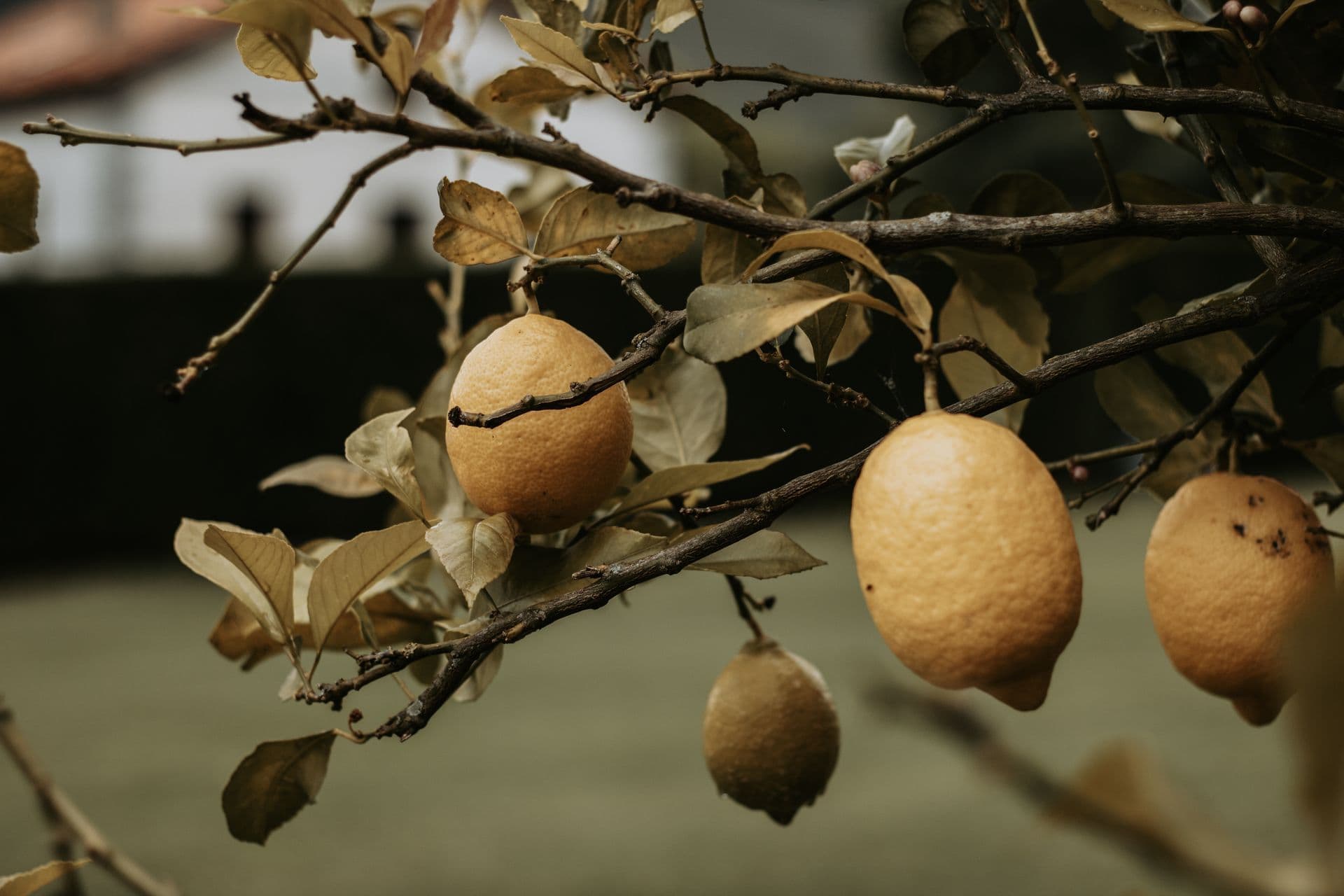
Lemon Tree Leaves Turning Yellow: Causes and How to Fix It
Yellow leaves are one of the most common lemon tree problems. This guide explains eight causes of lemon tree leaves turning yellow, from overwatering to root rot, with a fix for each.
5 min read · 16 Sept 2026
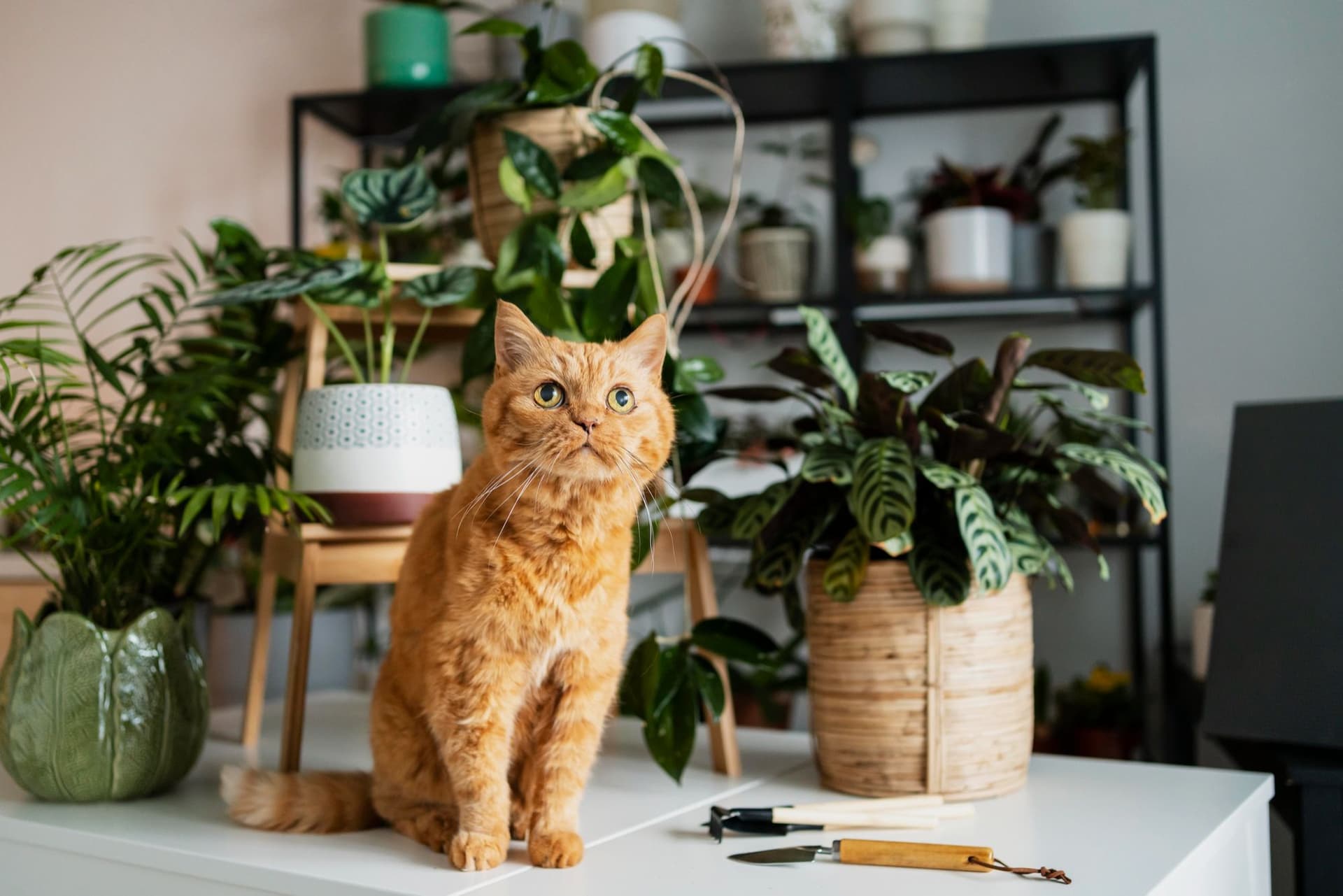
How to Keep Cats Away From Plants: 7 Safe and Effective Methods
Cats may dig in potting soil, chew leaves, or knock containers over. These seven methods combine safer placement, physical protection, a suitable chewing alternative, and play to help protect your plants without putting your cat at risk.
5 min read · 7 Sept 2026
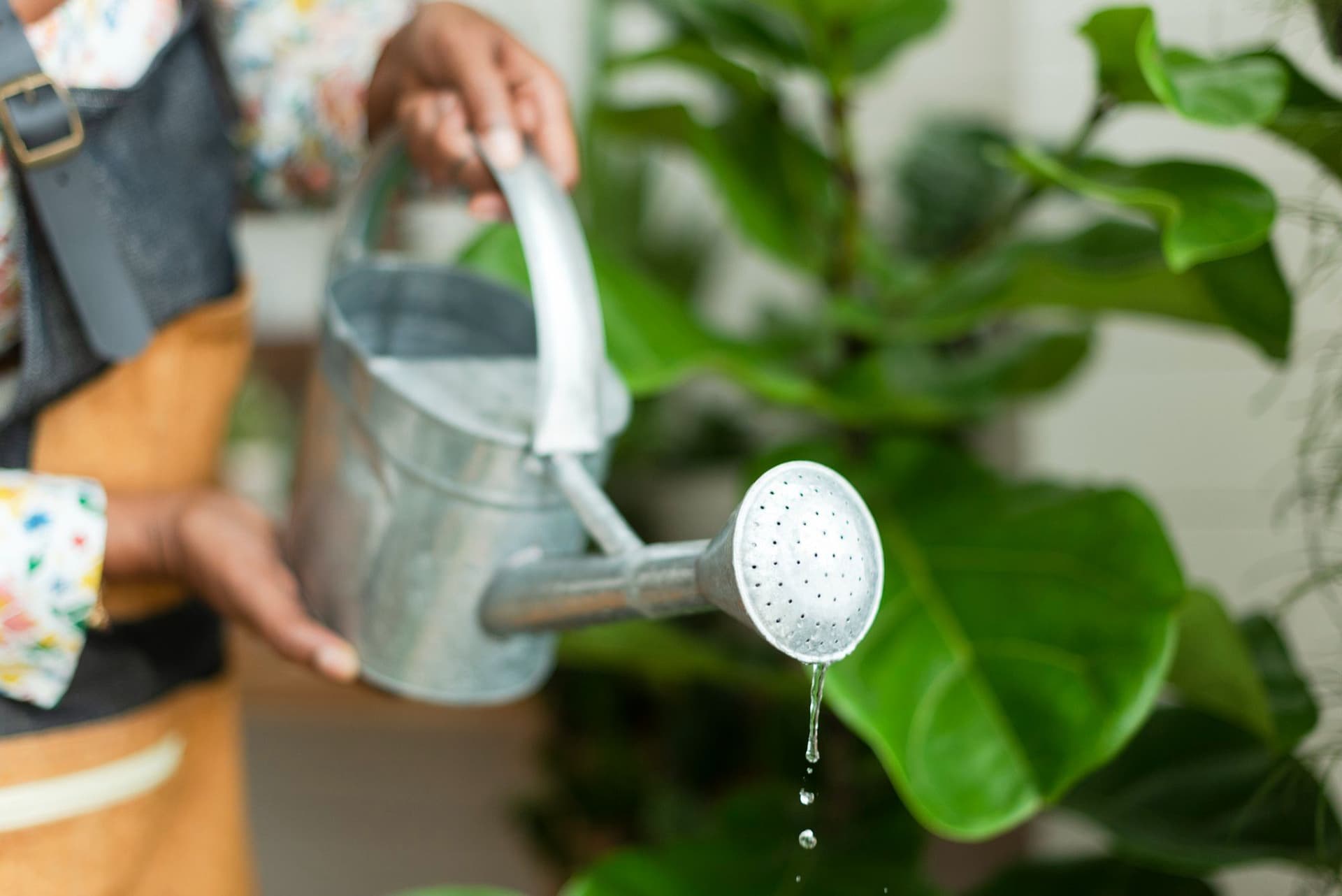
Overwatering vs Underwatering: How to Tell the Difference
Overwatering and underwatering can look almost identical, so they're easy to confuse. In this guide, we'll cover the signs of each, simple ways to tell them apart, and how to treat your plant once you know what's wrong.
Explore Plants by Care Needs
 POPULAR
Tiger Jaws
Faucaria tigrina
 POPULAR
Blue leaf elephant foot
Adenia glauca
 POPULAR
Splitrock Quaggafig
Pleiospilos nelii
 POPULAR
Happy Bean plant
Peperomia ferreyrae
 POPULAR
Lavender Scallops
Kalanchoe fedtschenkoi
 POPULAR
Cushion Aloe
Ficus benghalensis
 POPULAR
Taro
Colocasia esculenta
 POPULAR
Queensland bottle tree
Brachychiton rupestris
Identify the plant and problem. Help your plant recover
Identify plant problems early, understand what's wrong, and get clear care guidance. Botan helps you turn guesswork into confident plant care