What Makes a Plant a Shrub?
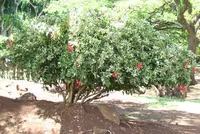
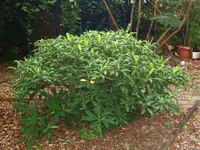
Shrubs are woody perennial plants that branch from the base with no single dominant trunk. They typically grow from 19 inches to 16 feet (0.5-5 meters) tall. Of the around 78,500 woody non-tree plant species, the vast majority are shrubs, and the remaining are lianas.
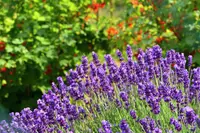
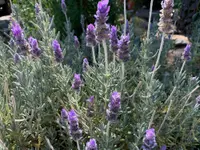
Subshrubs may look similar, but they have their own distinct growth form. Their base remains woody year-round, but the upper stems stay soft and often die back each season. Lavender is a typical subshrub.
Shrub Classification: 4 Major Types Explained
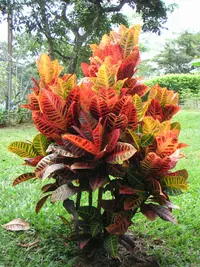
Plants from this category fall along two axes — leaf retention (evergreen vs deciduous) and ornamental function (flowering vs foliage). A single species can also belong to more than one group at once.
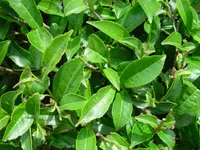
This reflects how a plant manages resources across seasons. Evergreen species develop small, waxy leaves to retain moisture through summer drought. Deciduous types shed foliage entirely to conserve energy when conditions turn harsh.
What This Page Covers
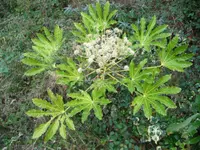
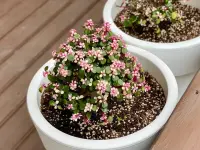
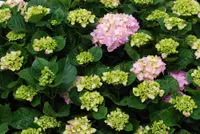
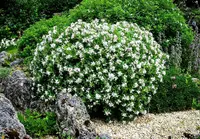
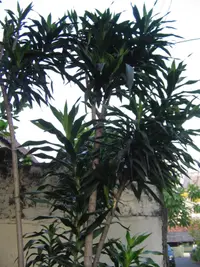
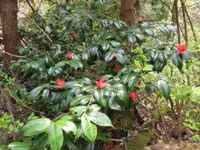
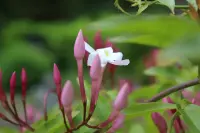
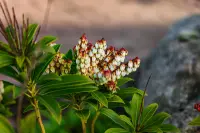
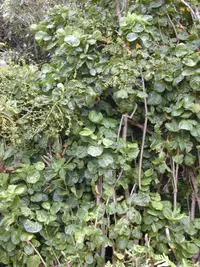
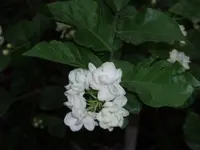
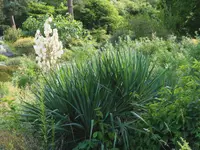
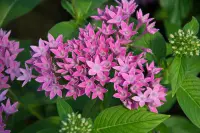
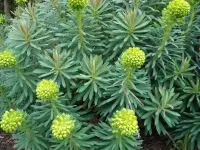
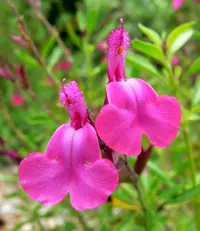
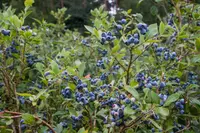
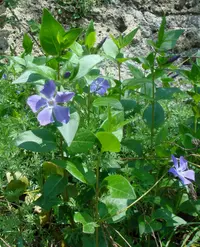
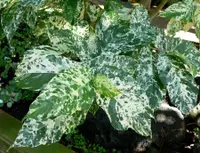
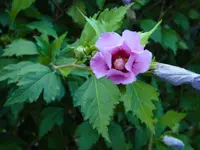
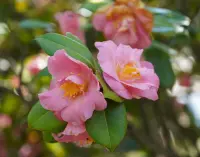
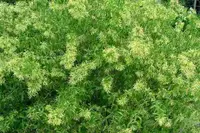
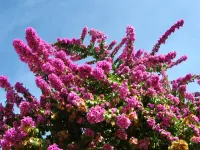
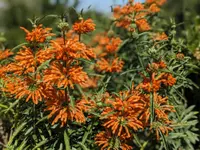
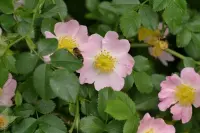
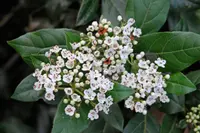
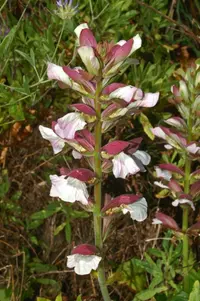
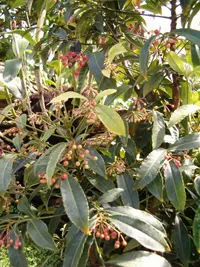
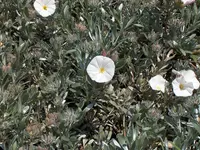
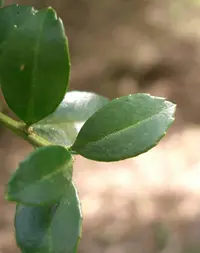
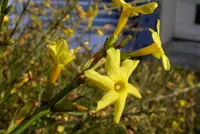
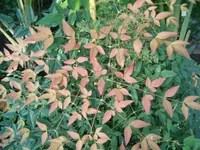
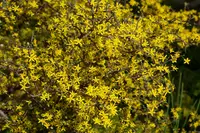
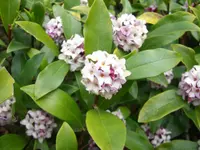
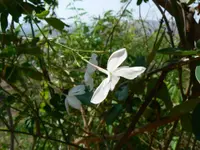
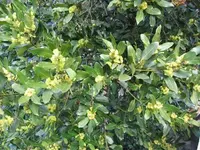
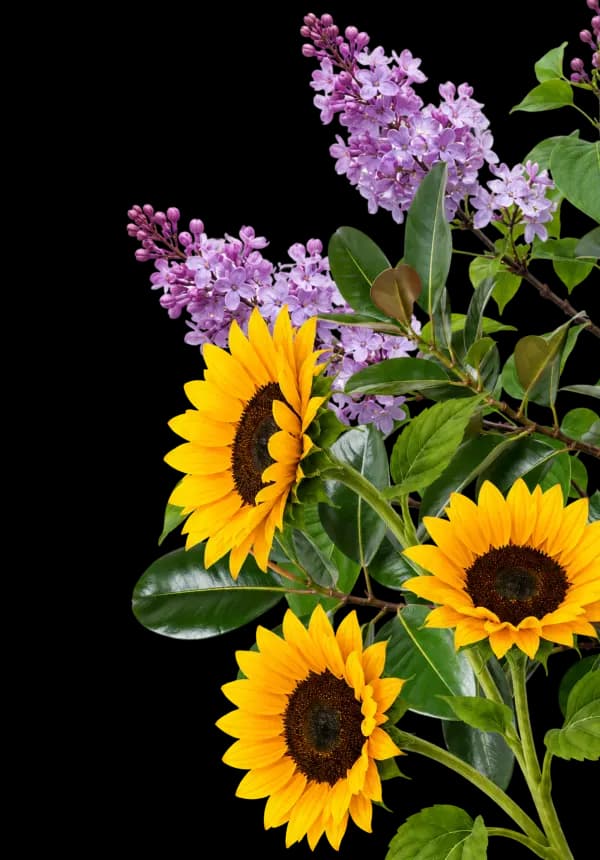
The list of shrubs above includes evergreen and deciduous types, along with flowering and foliage species from different plant families and geographic origins. Moreover, our selection isn't limited to common garden shrubs — it includes wild-growing natives and less common species like Wormwood and Desert globemallow alongside familiar cultivated ones.
Each plant profile includes a photo, name, care needs, environmental requirements, and more important facts about the species.