
Camellia Leaves Turning Yellow: Diagnosis Guide
Yellow leaves on a camellia usually mean a fixable problem with soil, water, or pests. This guide covers the common causes, how to tell which one you've got, and what to do to restore the plant's green color.

On this page
- Why Are Camellia Leaves Turning Yellow?
- Identify the Cause by Looking at the Symptoms
- Watering Problems That Cause Yellow Leaves
- Nutrient Deficiencies and Soil Problems
- Iron Deficiency and Chlorosis
- Nitrogen and Magnesium Deficiency
- Pests, Diseases, and Environmental Stress
- When Yellow Camellia Leaves Are Normal
- How to Restore a Healthy Green Camellia
You passed by your shrub and noticed the camellia leaves turning yellow. The yellowing is a clue. In most cases, the cause lies in a single issue, and a quick check with a tool like Botan can help you narrow it down. Read on to find out the cause and solution to your camellia's leaf discoloration problem.

Why Are Camellia Leaves Turning Yellow?
The main reason for camellia yellow leaves is a loss of chlorophyll. This, in turn, is caused by a specific problem, and your task is to determine what exactly it is.
Camellias come in wide varieties, from the fall-blooming Kanjiro camellia to the spring-blooming Japanese camellia, and they all show these symptoms in roughly the same way, so the cause is more important than the variety.
Several culprits are common: this color indicates the underlying cause, not a single disease. Here are the most popular reasons for camellia leaves going yellow:
- Incorrect soil pH. Camellias require acidic soil. When the soil pH is too high, the plant cannot extract iron from it, which causes new shoots to turn yellow.
- Watering problems. Too much or too little water stresses the roots and causes them to lose their color.
- Nutrient deficiencies. Low levels of iron, nitrogen, or magnesium leave their mark.
- Pests and diseases. Scale insects, spider mites, and root rot deplete the plant.
- Old age. Some yellowing is simply a sign that the leaf is finishing its bloom.
Start with the cause that matches your symptoms, and the solution will be much easier.


Fix Plant Problems
Leaves turning yellow or falling off? Find the cause and solutions
Identify the Cause by Looking at the Symptoms
"Why are the leaves on my camellia turning yellow?" - you may ask. The shape and distribution of yellow spots reveal many things. The location of the spots, whether the veins remain green, and which leaves fall first, all point to different causes. Take a clear photo of the most affected leaves and compare it to the table below.
If the spot distribution resembles two things at once, Botan acts as a scanner. It can identify the likely cause from the same photo, which is helpful when you're stumped. Check the major symptoms and possible causes of yellow leaves on the camellia bush in the following chart.
Symptom | Likely Cause |
New leaves yellow, veins remain green | Iron shortage (high pH) |
Old leaves yellow all over, the plant is pale | Nitrogen shortage |
Yellow leaves with brown tips | Underwatering or salt buildup |
Whole plant wilting and yellow | Root rot from overwatering |
Yellow speckles or sticky leaves | Scale or spider mites |
Patchy mottled yellow | Leaf mottle virus |
Watering Problems That Cause Yellow Leaves
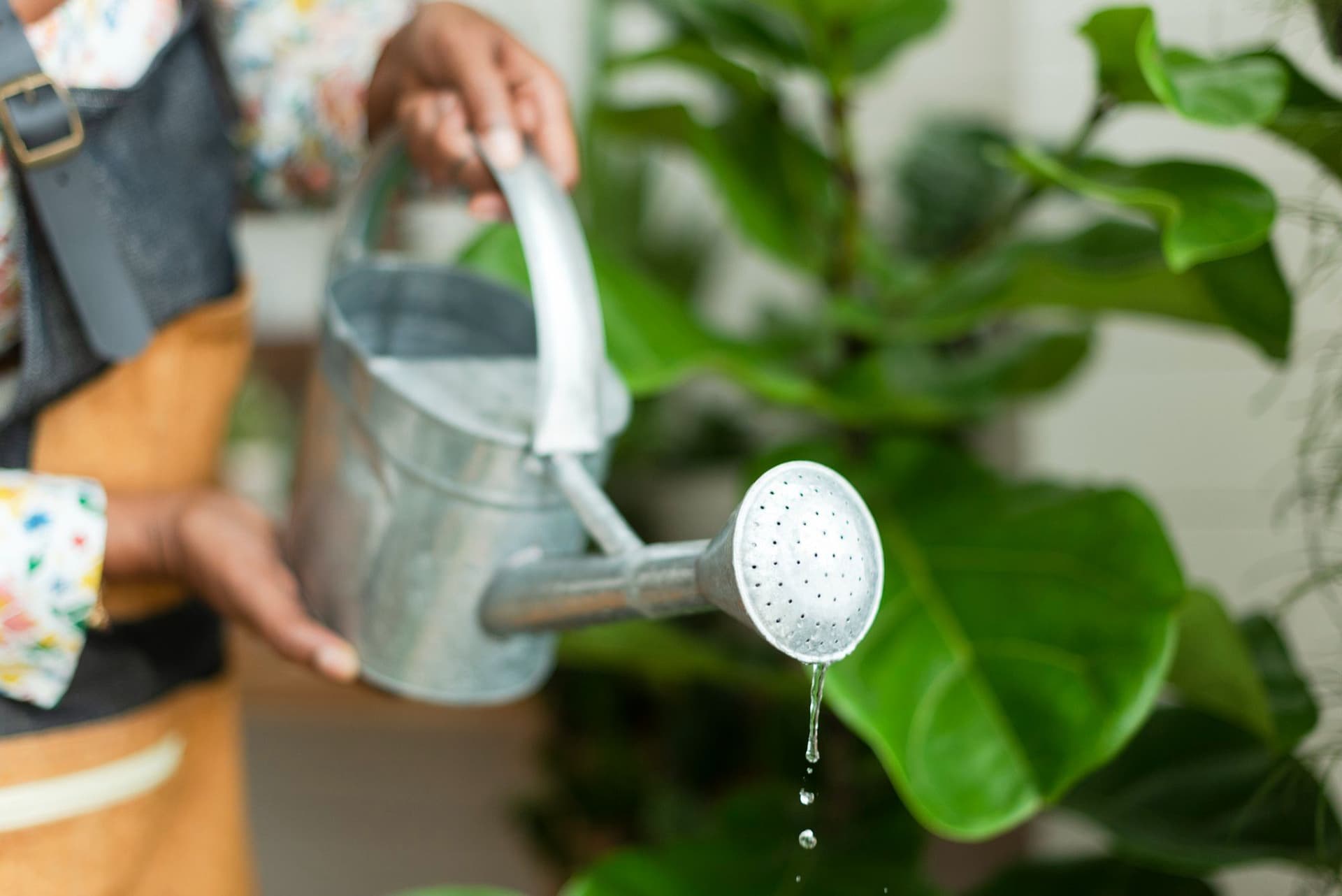
Watering is the most common killer of camellias, and it works both ways. Underwatering or overwatering may be the reason for camellia leaves turning yellow:
- Underwatering. Dry soil, crispy brown edges, drooping leaves, and yellowing from the tips to the center.
- Overwatering. Waterlogged soil, soft stems, and roots that rot and stop feeding the plant. Root rot leads to yellowing, stunted growth, and wilting.
Test with your finger. Insert your finger to a depth of 5 cm and water only when the soil at this depth feels dry.
Nutrient Deficiencies and Soil Problems
Camellias are very picky about their soil. They are ericaceous plants, which is why they require acid soil with a pH of 7 or lower. When the soil becomes alkaline, the roots cannot absorb certain minerals, and this is when you see camellia yellow leaves show up.
Iron Deficiency and Chlorosis
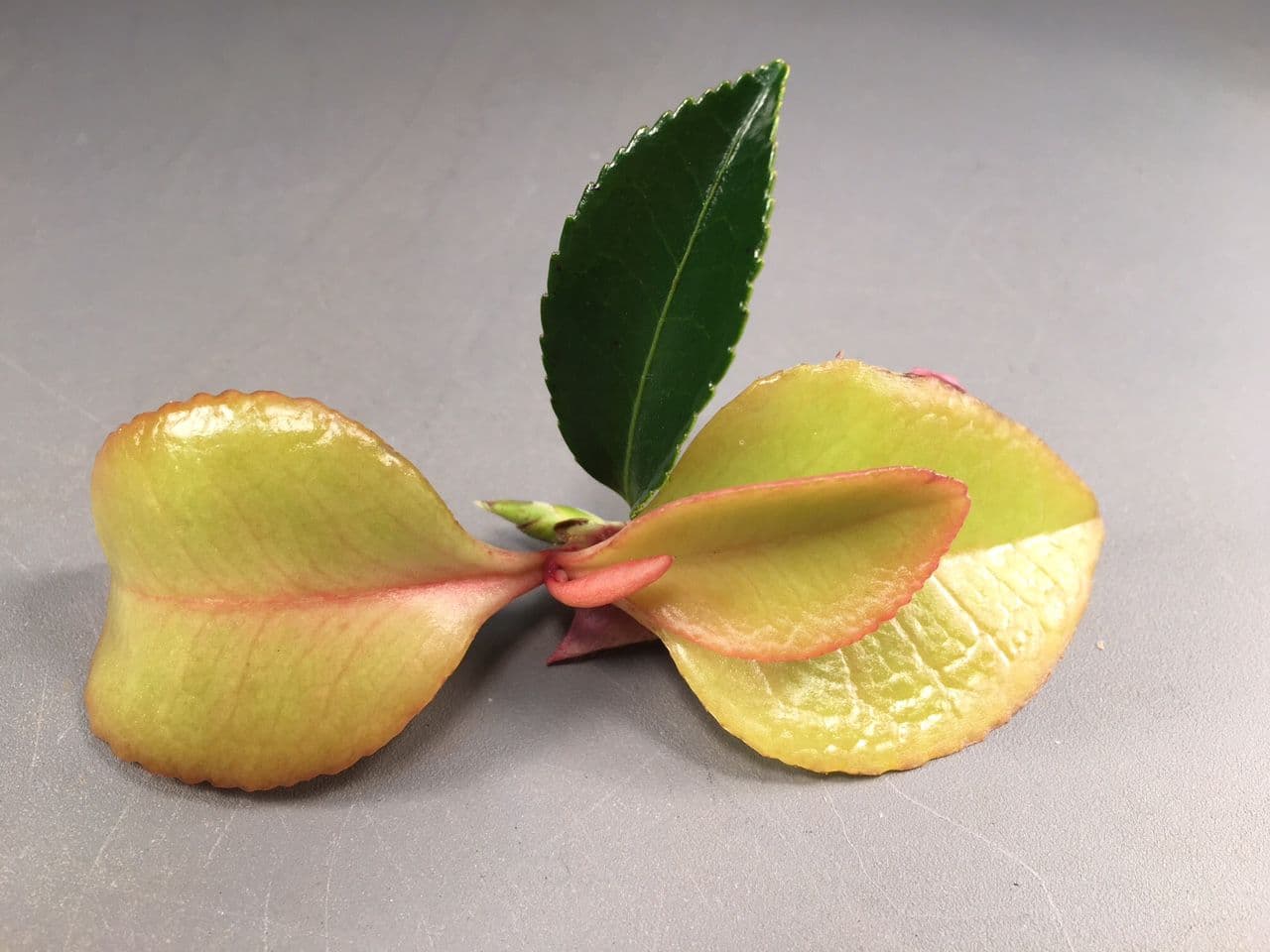
This is a classic problem for camellias. Calcium in chalky soil binds iron, and without iron, the plant cannot produce chlorophyll. This causes the leaves to turn a sickly yellow, and the veins remain dark green at the same time.
The youngest leaves die first. To correct this, feed the plant with chelated iron (sold as an ericaceous tonic) and gradually lower the pH with sphagnum peat or pine straw.
Nitrogen and Magnesium Deficiency
Nitrogen deficiency manifests itself in various ways. The oldest leaves initially become flat and light green or yellow, and as they spread, the entire bush turns pale, and growth slows.
Magnesium loss causes the leaf edges to yellow, while the center retains some green. Both conditions respond to fertilizer designed for shrubs that prefer acidic soil, which is applied in the spring when active growth begins.
Pests, Diseases, and Environmental Stress
When the soil and water levels are normal, take a closer look. A magnifying glass can serve as a simple detector for small pests:
- Scale insects. Small brown bumps cling to stems and the undersides of leaves, sucking out sap and leaving a sticky film. Remove them from the plant or treat with horticultural oil.
- Spider mites. Tiny dots and fine webbing appear during hot, dry periods. They cover the leaves with yellow spots. Spraying hard with water and increasing humidity will harm them.
- Root diseases. Phytophthora cinnamomi is a soil-borne fungus that causes root rot and yellowing of leaves, and it thrives in moist, poorly drained soil. Improve drainage and avoid overwatering the beds.
- Sudden temperature changes. Sudden cold or hot spells shock the plant, which causes rapid color changes.
- Too much sun. Camellias prefer dappled shade. Harsh afternoon sun will discolor and burn the leaves.
- Transplant shock. A newly repotted shrub often experiences several yellow leaves while the roots take hold. Water it regularly and leave it alone.
Knowing the specific shrub you have will make pest inspection easier. Quick shrub identification will allow you to rule out similar species before treating them.

When Yellow Camellia Leaves Are Normal
Not every yellowing leaf is a warning sign. Camellias remain evergreen, but they still periodically shed older foliage. In the spring, after new growth, you may often notice a few older inner leaves turning yellow and falling off. This is a normal renewal.
Pay attention to the location and number: a handful of older leaves deep inside the bush is normal, while yellowing of the entire plant or new shoots is not. If the rest of the bush feels firm and green, and the buds appear healthy, a few yellow leaves on a camellia bush are nothing to worry about.
How to Restore a Healthy Green Camellia
Once you determine the cause, the repair of the plant will be immediate. Follow these steps in order:
- Check the soil pH. A cheap pH test kit will tell you if it needs to be acidified. Aim for a value between 5.5 and 6.5.
- Adjust watering. Use a finger test and improve drainage if the soil remains moist.
- Feed properly. In spring, apply a heather fertilizer, and if new shoots turn yellow, add chelated iron.
- Treat the plants for pests. Identify scale insects or mites early and use oil or a strong rinse.
- Check the planting location. Move potted plants away from direct sunlight and cold drafts.
Give the shrub a few weeks after each relocation. New leaves should turn green, which indicates the plant is back to normal. If you notice that your camellia leaves are going yellow again, repeat the same steps as above.
FAQ
Yes. Once the cause is eliminated, the bush produces new green shoots during the next growth period, usually in the spring, to replace the fallen ones.
Dariia Plaksina
Botanist
5 years of botanical research experience
Dariia Plaksina is a biologist, botanist, and writer of informational articles with over 5 years of experience exploring the world of plants, nature, and biology. She studied at Taras Shevchenko National University of Kyiv, Educational and Scientific Center “Institute of Biology and Medicine,” where she built a strong scientific foundation for her future work.
For Dariia, writing is a hobby, a calling, and a way to make reliable knowledge easier to understand. Her articles focus on plant care, plant health, and natural processes, helping readers learn more about the living world through clear, accessible, and science-based explanations.
Related Articles
8 min read · 1 Oct 2026
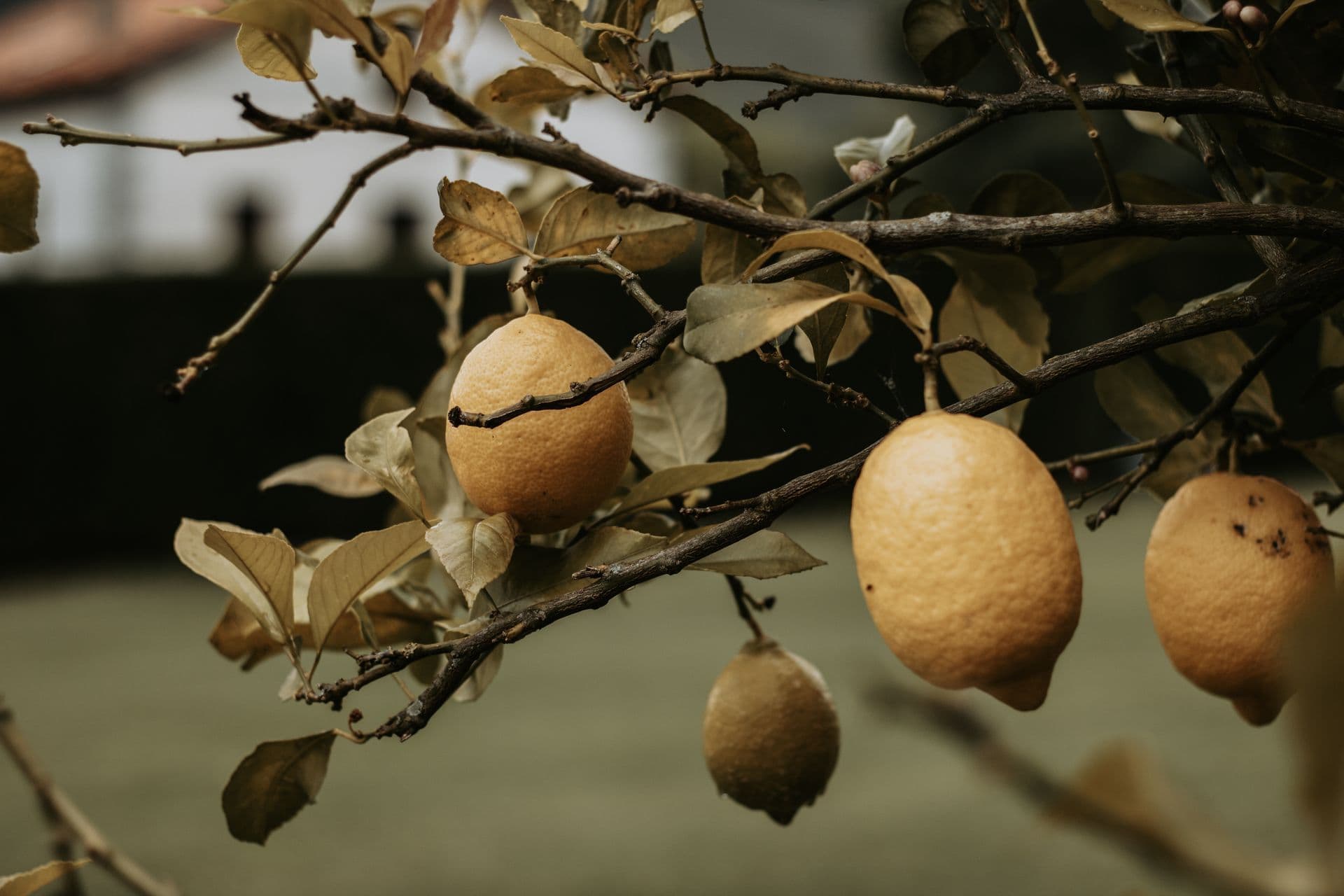
Lemon Tree Leaves Turning Yellow: Causes and How to Fix It
Yellow leaves are one of the most common lemon tree problems. This guide explains eight causes of lemon tree leaves turning yellow, from overwatering to root rot, with a fix for each.
5 min read · 16 Sept 2026
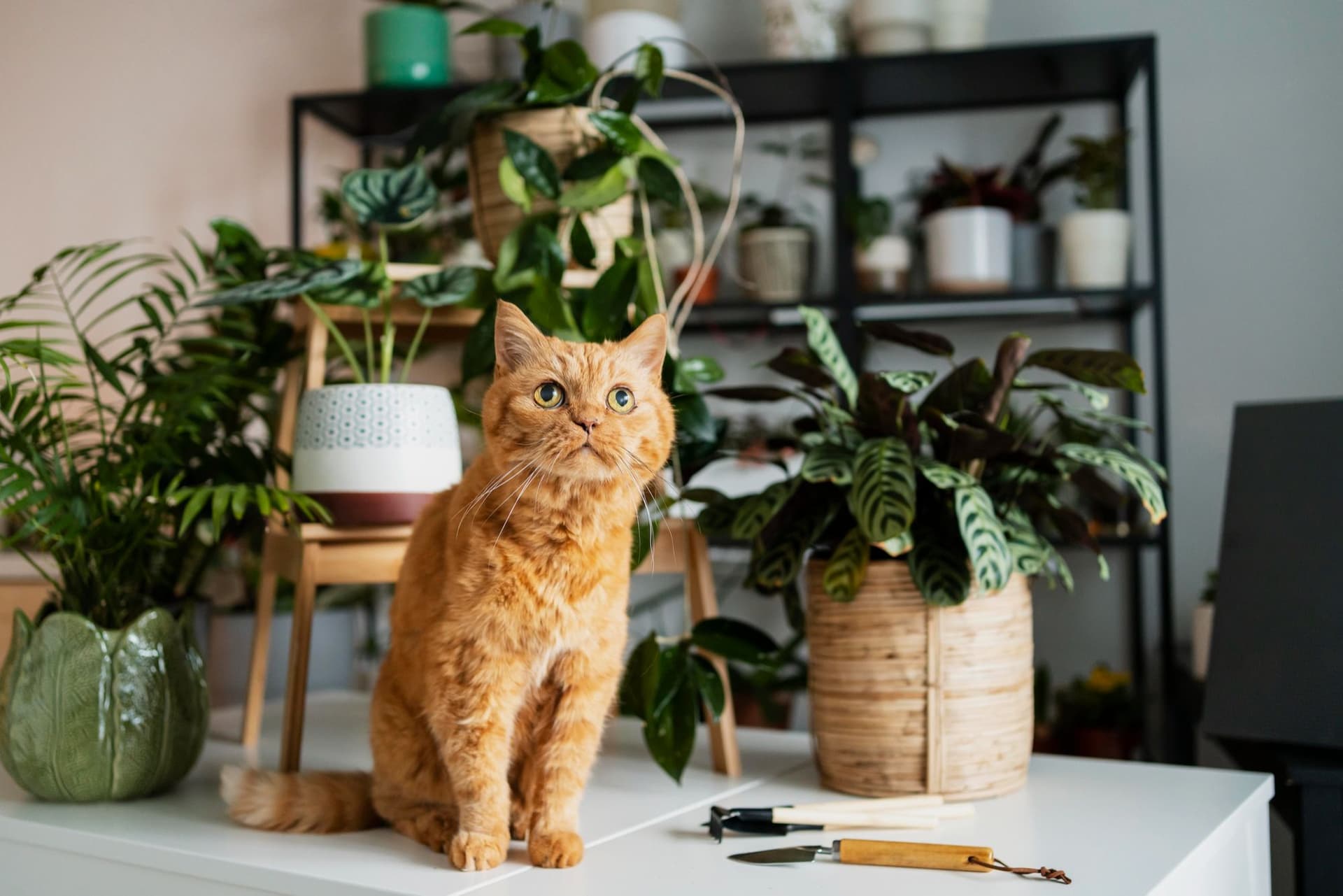
How to Keep Cats Away From Plants: 7 Safe and Effective Methods
Cats may dig in potting soil, chew leaves, or knock containers over. These seven methods combine safer placement, physical protection, a suitable chewing alternative, and play to help protect your plants without putting your cat at risk.
5 min read · 7 Sept 2026
Overwatering vs Underwatering: How to Tell the Difference
Overwatering and underwatering can look almost identical, so they're easy to confuse. In this guide, we'll cover the signs of each, simple ways to tell them apart, and how to treat your plant once you know what's wrong.
Explore Plants by Care Needs
Identify the plant and problem. Help your plant recover
Identify plant problems early, understand what's wrong, and get clear care guidance. Botan helps you turn guesswork into confident plant care