How to Get Rid of Powdery Mildew on the Jade Plant
That white film spreading over your jade plant likely isn't dust. It's powdery mildew, and it's easy to remove once you spot it. This guide covers the signs, causes, and treatment options for this problem.

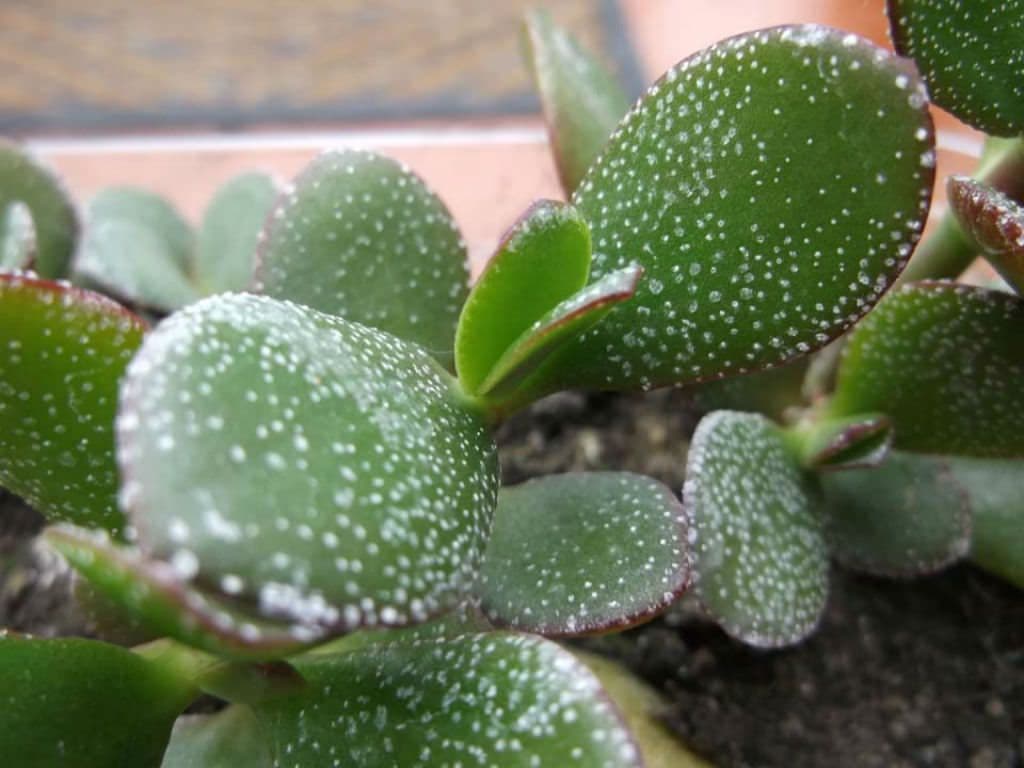
Powdery mildew on the jade plant looks like someone dusted the leaves with flour. It seems harmless, but if left untreated, it weakens the plant and leaves scars. The good news is that it can usually be eliminated with a few simple care changes. A plant scanner like Botan can also confirm the presence of powdery mildew and detect the issue early.

Main Symptoms of Powdery Mildew on a Jade Plant
A mildew on jade plant typically begins with a thin white coating on one leaf. Wipe it off, and it reappears within a few days. Most people think this is dust, hard water stains, or the natural waxy coating that jade plants naturally have.
This waxy coating is normal for Crassula ovata, so it's easy to confuse. Dust simply spreads when rubbed. Water stains feel like grains of sand and remain where a drop of water has dried.
Most often, powdery mildews spread in patches and jump from leaf to leaf, often starting on soft young shoots and on leaves that are too close together. So, it’s crucial to detect the disease in its early stages. In the following table, you can determine the severity of the plant's infestation based on the symptoms.
Symptom | Likely Severity | Recommended Action | Expected Recovery |
A few white spots on one or two leaves | Mild | Improve airflow, pull the marked leaves | 1–2 weeks |
White film across several leaves | Moderate | Isolate the plant, wipe leaves, treat | 3–4 weeks |
Coating over most of the plant, plus scarring | Severe | Prune back hard, treat, repot if needed | 6+ weeks |
Spots that return after treatment | Recurring | Adjust watering and air circulation | Varies |
Keep Plants Thriving
Get simple care guidance tailored to each plant’s needs in the app
Why Does Powdery Mildew Develop on Jade Plants?
Powdery mildew on a jade plant is a fungus that spreads through the air in search of suitable conditions. It thrives in moist, stagnant air around a plant that is too close to the soil. This is almost never the fault of the jade plant itself. The cause usually lies in the room or your daily routine, and therefore, in the treatment method.
Before treating, double-check that you are dealing with powdery mildew. A quick houseplant identification in Botan allows you to detect species ID and get quick care instructions by photo. Let’s check the most common reasons for developing mildew on a jade plant.

Environmental Conditions
The fungus first requires a suitable climate, and a few conditions play a major role:
- High humidity. Damp air promotes spore growth. Steam quickly forms in bathrooms and kitchens, and in winter rooms, this moisture is trapped inside.
- Poor air circulation. When the air becomes stagnant, the spores settle and remain. Cramped corners and crowded shelves are common culprits.
- Insufficient light. Shaded areas are cool and humid, which is exactly what the fungus needs.
- Cool and moderate temperatures. Fungus grows best at temperatures between 15° and 27°C (59° and 80°F). Growth slows at temperatures above 32°C (90°F).
None of these factors apply to the plant. University manuals on powdery mildew disease cite the same factors as triggers.
Care Mistakes
Your habits are just as important as the indoor conditions. Even minor care mistakes can lead to problems with a healthy jade plant:
- Crowding plants. Pots placed close together restrict air circulation. Spores jump across touching leaves.
- Misting leaves. Jade plants store their own water and prefer dry foliage. Misting leaves keeps them moist for several hours.
- Night watering. Evening water lingers on the leaves overnight. Cool, damp leaves are an open door for fungus.
- Dust accumulation. Dust and fallen leaves provide spores with a place to hide. Wiping them off removes them.
Revise your habits to protect your jade plant from potential problems. By eliminating one or two mistakes, you deprive the fungus of most of the conditions it needs to develop.
How to Treat Powdery Mildew on a Jade Plant
If you catch the problem early, treatment will only take half a day. First, stop the spread, then eliminate existing outbreaks. Here's how to get rid of powdery mildew on jade plant step by step:
- Isolate the plant. Move it away from other pots to prevent spores from spreading to adjacent areas. An empty room or windowsill is a suitable place.
- Remove the most affected leaves. Trim off any heavily coated or damaged leaves. Collect them in a bag and dispose of them in the trash, avoiding composting.
- Wipe off the remaining leaves. Dampen a soft cloth with water and a drop of dish soap. Wipe both sides of each leaf.
- Treat the surface. A spray containing potassium bicarbonate or horticultural oil will suppress the fungus. Spray the solution lightly to cover the surface, but do not drip.
- Provide adequate air circulation. Turn on a nearby fan or leave a window slightly open. Air movement dries out the leaves and slows fungus regrowth.
- Check again in a week. Look for new spots. If any appear, spray again.
This is enough for most jade plant powdery mildew treatments at home. Mild sprays used for controlling powdery mildew in the flower garden are also suitable for jade plants. First, check the instructions. If the problem persists, you may need a stronger fungicide from a garden center.
Recovering Process
The speed of recovery depends on how quickly you detect the problem. If treatment is started early, recovery will take several weeks. Leaves that are already damaged or browned will not return to normal. Eventually, they will simply fall off.
As the plant recovers, keep an eye out for new shoots, as clean, fresh leaves are a sign that the jade plant's powdery mildew treatment is working. Old damage is only cosmetic and does not spread. In severe cases, more severe pruning may be necessary to remove the affected stems.

How to Prevent Powdery Mildew from Coming Back – 5 Steps
Getting rid of the problem once is only half the battle. To prevent mildew on the jade plant from coming back, create the following conditions:
- Allow each plant plenty of space. Leave space between pots to allow air circulation. Cluttered shelves are a breeding ground for mildew.
- Water the soil, not the leaves. Water directly onto the soil. Dry, clean foliage leaves no room for spores to develop.
- Water in the morning. Occasional splashes dry during the day, so nothing remains overnight.
- Reduce humidity. Turn on a fan in stuffy rooms. A small dehumidifier will pay off in winter.
- Inspect the plant weekly. Check the leaves, including the underside. Early mildew spots disappear in seconds.
Stable air circulation and dry leaves prevent most problems. Once you follow these basic guidelines, the plant will generally grow healthy on its own. Repeat this list periodically, and you'll likely avoid seeing powdery mildew return.
FAQ
Not from the fall itself. However, an overturned plant often ends up in a damp, dark corner with stagnant air, and it's in these places that spores develop. Inspect it after any fall.
Dariia Plaksina
Botanist
5 years of botanical research experience
Dariia Plaksina is a biologist, botanist, and writer of informational articles with over 5 years of experience exploring the world of plants, nature, and biology. She studied at Taras Shevchenko National University of Kyiv, Educational and Scientific Center “Institute of Biology and Medicine,” where she built a strong scientific foundation for her future work.
For Dariia, writing is a hobby, a calling, and a way to make reliable knowledge easier to understand. Her articles focus on plant care, plant health, and natural processes, helping readers learn more about the living world through clear, accessible, and science-based explanations.
Related Articles
8 min read · 1 Oct 2026
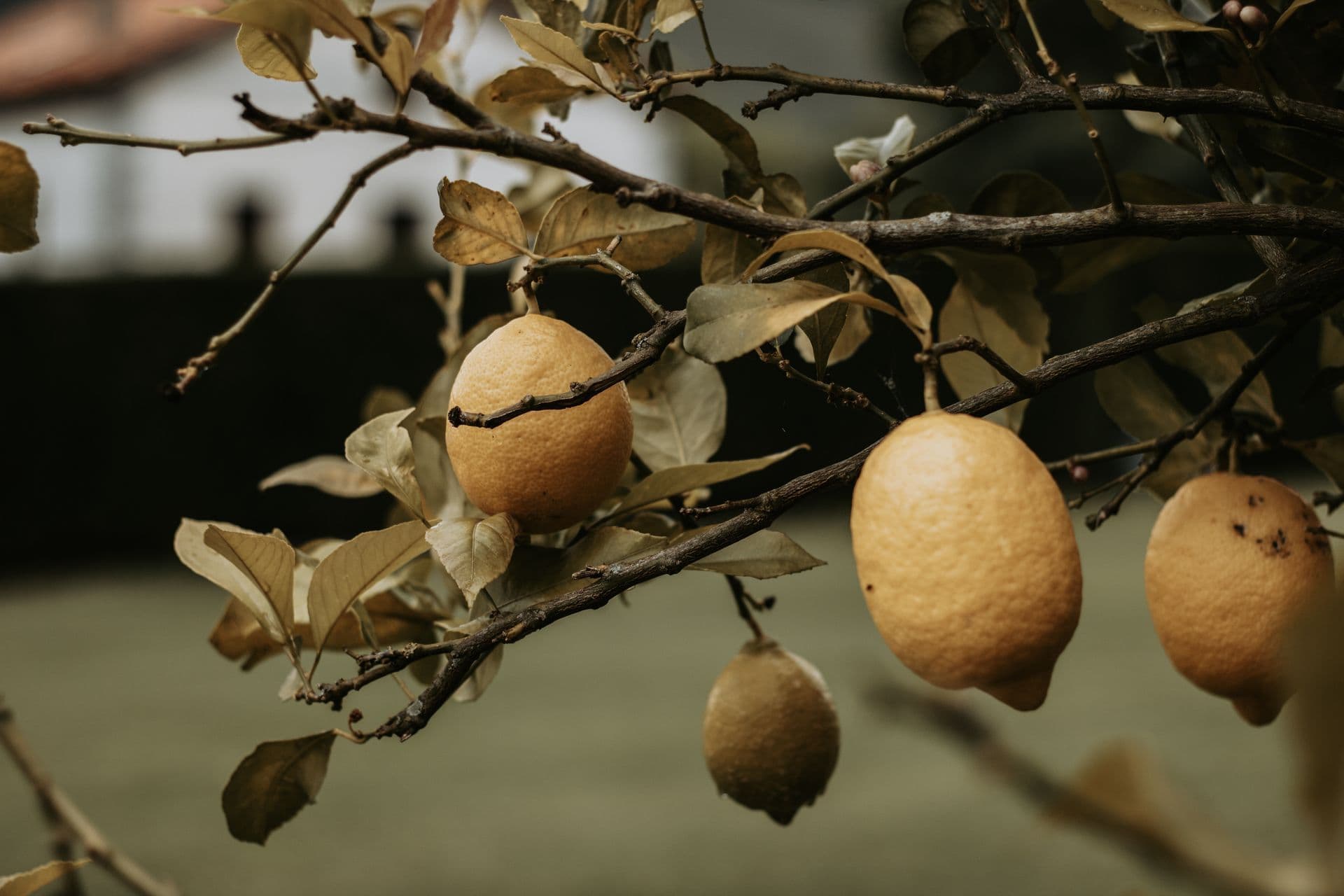
Lemon Tree Leaves Turning Yellow: Causes and How to Fix It
Yellow leaves are one of the most common lemon tree problems. This guide explains eight causes of lemon tree leaves turning yellow, from overwatering to root rot, with a fix for each.
5 min read · 16 Sept 2026
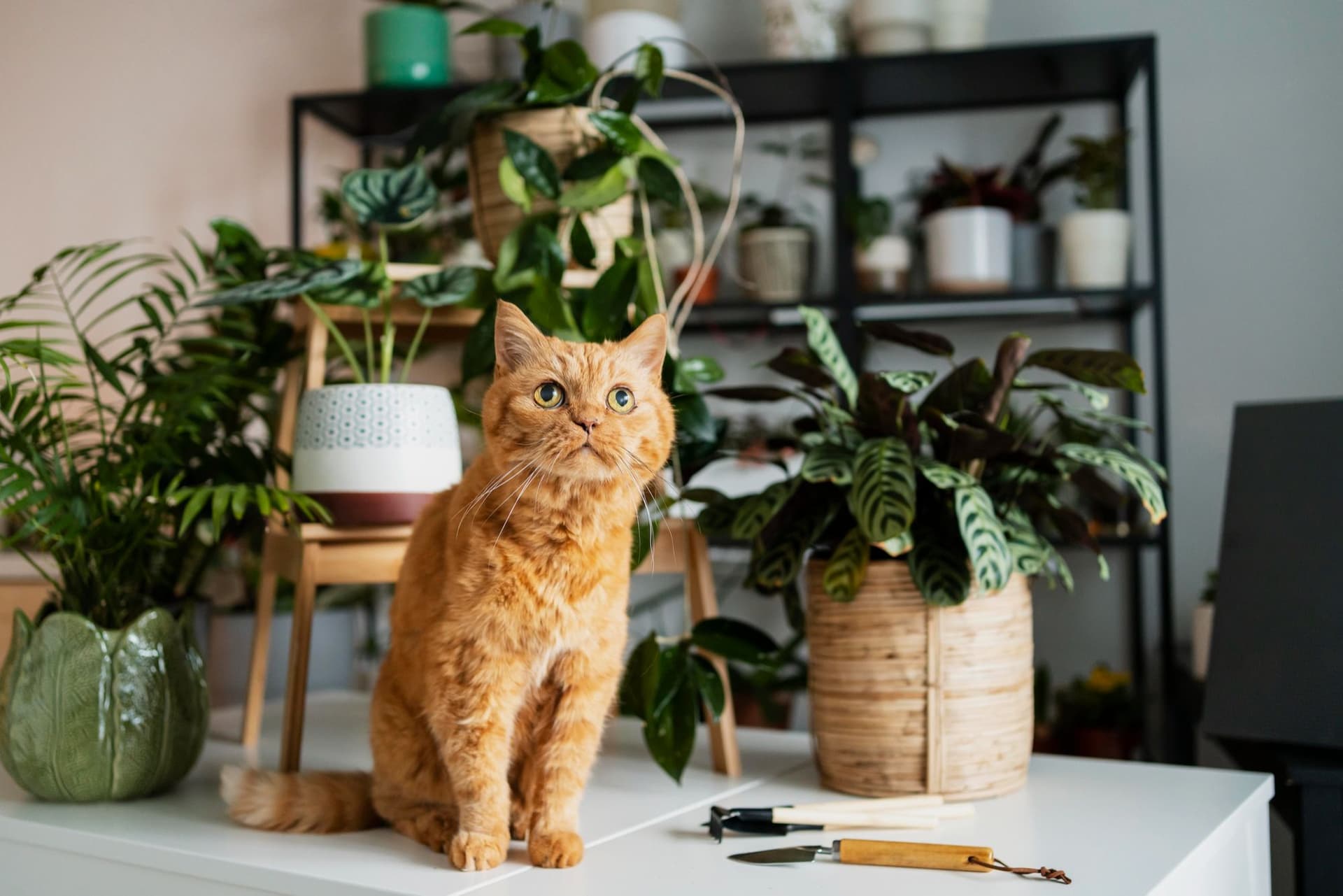
How to Keep Cats Away From Plants: 7 Safe and Effective Methods
Cats may dig in potting soil, chew leaves, or knock containers over. These seven methods combine safer placement, physical protection, a suitable chewing alternative, and play to help protect your plants without putting your cat at risk.
5 min read · 7 Sept 2026
Overwatering vs Underwatering: How to Tell the Difference
Overwatering and underwatering can look almost identical, so they're easy to confuse. In this guide, we'll cover the signs of each, simple ways to tell them apart, and how to treat your plant once you know what's wrong.
Explore Plants by Care Needs
Identify the plant and problem. Help your plant recover
Identify plant problems early, understand what's wrong, and get clear care guidance. Botan helps you turn guesswork into confident plant care