woodland stonecrop Care (Sedum ternatum)

Also known as: Wild stonecrop
woodland stonecrop

About woodland stonecrop

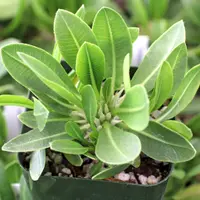
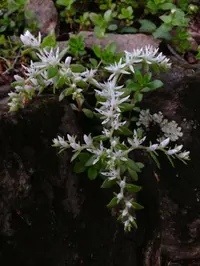
Woodland stonecrop (Sedum ternatum) is a low-growing, mat-forming succulent native to rich woodlands and rocky slopes in eastern North America. It spreads slowly, creating a soft groundcover. Plants have small, fleshy green leaves arranged in whorls and clusters of star-shaped white flowers in spring, which attract pollinators. The foliage stays attractive through much of the growing season. This species is adaptable and generally easy to grow, which suits beginner gardeners. It tolerates partial shade, periodic dryness, and thin, rocky soils, which reduces maintenance needs. Understanding how to care for woodland stonecrop mainly involves providing well-drained soil and avoiding heavy, waterlogged spots.

Main Plant Requirements

Care Difficulty

Easy Care

Light Preference

Partial Shade

Water Requirements

Moderate Water

Temperature Preference

Cold Hardy

Hardiness Zone

4–8

Soil Texture

Loamy, Rocky, Organic-rich

Soil pH

Acidic (5.5–6.5), Slightly acidic (6.5–7.0)

Soil Drainage

Moist but well-drained

Fertilization

Minimal (feed rarely)

Get Personalized Care Plan

Scan your plant to receive care tips personalized for your specific plant

Available on iOS and Android

How to Care for the woodland stonecrop

This shade-tolerant native succulent prefers bright, gentle light rather than intense exposure.

  • Aim for dappled light or morning sun with 2–4 hours of direct light, then bright shade for the rest of the day.
  • Woodland stonecrop grows well under open-tree canopies, on north or east sides of buildings, and in light woodland conditions.
  • Protect from strong afternoon sun, which can scorch leaves and cause pale, stressed growth; too much deep shade leads to leggy, sparse stems.

This plant prefers slightly dry, well-drained conditions and is sensitive to excess moisture around the roots.

  • Water when the top 2–4 cm of soil feels dry, then soak thoroughly so water drains away; avoid leaving soil soggy.
  • During cool spring and fall, watering needs are low; in hot, dry summer periods, monitor more often but still let the surface dry between waterings.
  • Sedum ternatum shows overwatering by yellowing, mushy stems and root rot, while underwatering causes shriveled, soft leaves and slow growth.

This hardy groundcover tolerates a wide temperature range but grows best in mild conditions.

  • Active growth is strongest around 60–75°F (16–24°C), with steady foliage and root development in spring and early summer.
  • Established plants tolerate winter cold down to about -20°F (-29°C) in the ground, dying back partially yet returning from the root system.
  • Heat up to about 90–95°F (32–35°C) is tolerated if soil drains well and light is filtered; prolonged extreme heat with intense sun can scorch foliage.

This species tolerates a wide humidity range and rarely needs special adjustment indoors.

  • Target indoor humidity around 30–60% to match its natural woodland edge conditions.
  • Dry household air is usually acceptable, but prolonged air below 25% can cause limp, slightly shriveled foliage.
  • Signs of humidity stress include soft, puckered leaves and slowed growth; group pots or use a pebble tray only if these symptoms persist when watering is adequate.

Sedum ternatum prefers loose, fast-draining, slightly acidic to neutral soil that mimics thin woodland soils.

  • Use a mix of roughly 50–60% all-purpose potting soil with 40–50% mineral material such as coarse sand, small grit, or perlite.
  • Aim for pH 6.0–7.0; add a small amount of leaf mold or compost for organic matter without making the mix heavy.
  • Ensure the soil feels crumbly, not sticky; mix in extra grit or perlite if water remains on the surface for more than a few seconds after watering.
  • Avoid dense clay, peat-heavy, or constantly wet substrates, which limit root aeration and increase risk of root rot.

This species is well suited to container growing, especially in shallow, wide pots or troughs.

  • Choose a broad, shallow container to accommodate its mat-forming, spreading roots rather than deep taproot-style growth.
  • Use heavier materials such as ceramic or concrete outdoors so the spreading foliage does not tip the pot in wind or rain.
  • Elevate the pot slightly on feet or bricks so drainage holes stay clear and water does not pool under the container, which can cause root problems when caring for woodland stonecrop.

This native woodland stonecrop needs only light feeding in most garden soils.

  • Use a balanced, dilute liquid fertilizer (for example 10-10-10 at 1/4–1/2 strength) in spring if growth appears weak or foliage pale.
  • Apply once at the start of active growth; a second midsummer feeding is enough in poor soils.
  • Incorporate a thin layer of compost around clumps instead of frequent synthetic fertilizers.
  • Stop feeding in late summer so Sedum ternatum can harden off before winter dormancy.

Sedum ternatum benefits from light, periodic pruning to keep mats dense and tidy.

  • Best time for shaping is after main flowering in late spring or early summer.
  • Shear or pinch back lanky or sprawling stems to encourage branching and a fuller groundcover.
  • Remove any dead, damaged, or diseased stems with clean scissors or hand pruners.
  • Clip spent flower stems at the base to maintain appearance and direct energy to vegetative growth.

This species is usually grown in the ground, so care focuses more on transplanting than repotting.

  • Transplant in early spring or early fall when temperatures are mild and soil is workable.
  • Move plants when clumps become crowded, bare in the center, or growth slows noticeably.
  • Lift clumps gently, keep as much root ball and surrounding soil intact as possible, and replant at the same depth.
  • Water thoroughly after transplanting, then keep soil lightly moist for 1–2 weeks to limit root stress.

Sedum ternatum is commonly propagated to expand groundcover patches or share plants.

  • Divide mature clumps in early spring or early fall, replanting sections with healthy roots and shoots.
  • Take short stem cuttings in late spring, press into well-drained, slightly moist soil, and keep bright but not hot.
  • Allow cut surfaces to dry briefly before sticking to reduce rot risk and encourage rooting.
  • Seeds can be sown on the soil surface in fall or very early spring, as they need light to germinate.

This native sedum is cold hardy and usually needs minimal winter care in the ground.

  • Tolerates typical frost and freezing in most temperate climates once established.
  • Apply a light mulch layer around, not over, crowns in late fall on exposed sites to buffer freeze-thaw cycles.
  • In containers, use a frost-resistant pot and protect roots by placing the pot against a sheltered wall or moving it to an unheated garage.

Care Tips

Edge-Planting Strategy

Place plants 10–20 cm from path or bed edges so they can spill slightly over hard surfaces without getting trampled, creating a dense carpet while protecting stems from foot traffic.

Self-Sown Seed Management

Allow flowers to set seed in late spring, then lightly rake the soil surface in fall to help natural reseeding, thinning any dense clusters the following spring to keep the groundcover even.

Companion Shade Layering

Underplant open-canopy shrubs or small trees so the stonecrop forms a living mulch, which suppresses weeds and helps maintain even soil moisture around woody plants.

Rock and Crevice Placement

Tuck divisions into shallow pockets between stones or at the top edge of low walls where moisture collects but drains quickly, encouraging tight, compact growth and good root anchoring.

Leaf Litter Handling

In autumn, gently lift off matted leaves from the foliage but leave a thin, loose layer around the clumps as insulation and organic matter, which supports long-term soil health when growing woodland stonecrop.

Common Pests and Diseases

Aphids

These insects cluster on tender stems and undersides of leaves, sucking sap and causing distortion, sticky honeydew, and sooty mold growth.

Solution

Rinse colonies off woodland stonecrop with a firm stream of water and pinch back heavily infested tips; if needed, apply insecticidal soap or a light horticultural oil, ensuring thorough coverage of stems and leaf undersides and repeat at 5–7 day intervals until populations drop.

Mealybugs

These insects appear as small white cottony clusters in leaf joints and along stems, weakening plants by feeding on sap and excreting sticky honeydew.

Solution

Isolate affected plants, dab visible mealybugs with cotton swabs dipped in 70% isopropyl alcohol, then use insecticidal soap or a low-rate horticultural oil, paying special attention to crevices and repeating treatments until no new insects appear.

Slugs and snails

These pests chew irregular holes in leaves and can skeletonize young growth, especially in moist, shaded woodland plantings.

Solution

Hand-pick slugs and snails in the evening, reduce damp hiding spots such as boards or thick mulch, and use iron phosphate slug baits placed around but not directly on the sedum to protect foliage while limiting non-target impacts.

Powdery mildew

This disease causes white to gray powdery patches on leaves and stems, which can lead to yellowing and premature leaf drop in dense or shaded plantings.

Solution

Improve air circulation by thinning overcrowded patches, avoid overhead watering late in the day, remove heavily infected leaves, and if needed apply a labeled fungicide such as sulfur or a potassium bicarbonate product at the first signs of infection.

Rust

This disease produces small orange to brown pustules on leaf undersides and spotting on upper surfaces, gradually weakening the plant if severe.

Solution

Promptly remove and dispose of affected leaves, keep foliage dry by watering at soil level, increase spacing or divide dense clumps, and use a suitable rust fungicide on remaining healthy foliage if the problem recurs in the same site.

Interesting Facts

Eastern woodland specialist

This species is one of the few native North American stonecrops that naturally carpets shady, rocky woodlands rather than sunny, open rock ledges, especially in the central and eastern United States.

Shallow-root mat former

It spreads by short, creeping stems that root at the nodes, forming a thin but dense mat over rocks and shallow soil, which helps stabilize leaf litter and thin forest substrates.

Early-season nectar source

Its small white star-shaped flowers often open in late spring in deciduous forests, providing nectar and pollen for early-season bees and small pollinating flies before many summer wildflowers appear.

Botan icon

Did you know?

Genetic and morphological studies place this species among a small group of eastern North American Sedum that are more closely adapted to cool, moist forest microclimates than to the hot, exposed habitats typical of many other stonecrops, making Sedum ternatum care quite distinct from sun-loving succulent relatives.

FAQs about woodland stonecrop

This species spreads slowly to moderately by short, creeping stems and self-seeding. It usually forms tidy mats rather than taking over beds. In well-balanced plantings, it is easy to control with occasional edging or thinning.

Grow Healthy Plants with Botan Care

Keep your plants happy and healthy with plant identification, disease detection, and easy care guidance.

Botan plant care app — identify plants on mobile

Explore More Plants