50+ Hobbies for Women of All Ages
Discover 50+ hobbies, from familiar ones like gardening and reading to niche ones like growing bonsai and making stained glass. All are sorted by type, effort level, and budget, so you can choose the right one.

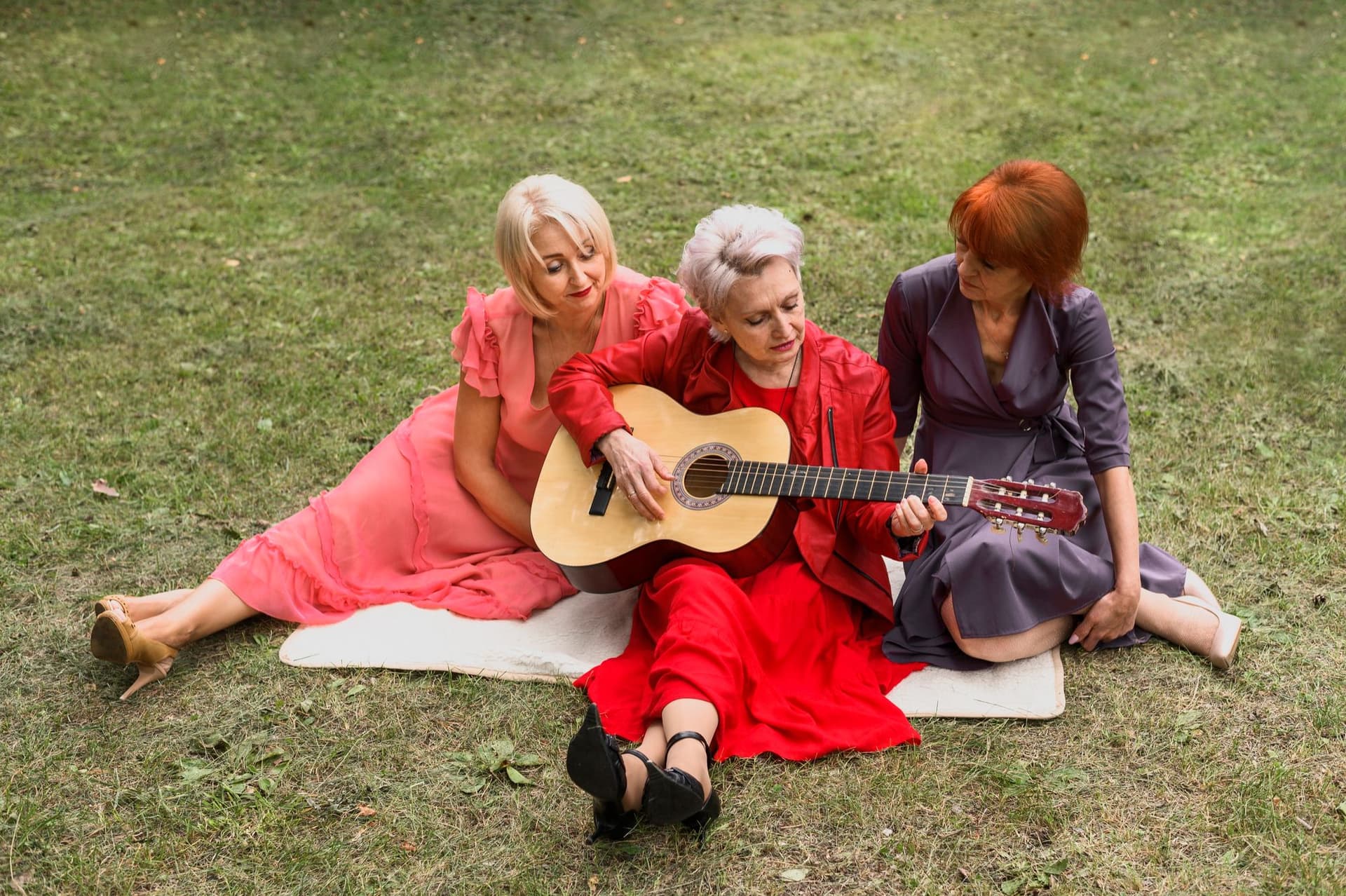
A good hobby can reduce depression, anxiety, and improve overall well-being. Options vary widely, from creative activities like painting to gardening and skill-building hobbies like calligraphy.
Here, we cover 50+ top hobbies for women, with options for every taste and lifestyle. Browse, narrow your search, and pick the ones you’ll really enjoy.
Group | 3 top activities | Best for | Typical starting cost | Time per session |
Gardening & plants | Growing herbs on a windowsill, vegetables in containers, flowers from seed, etc. | Stress relief and a small daily routine with visible results | Low | 10-30 minutes |
Creative | Watercolor painting, crocheting, pottery classes | Using your creativity and getting a finished piece | Low to medium | 30-60 minutes |
Active & outdoor | Day hiking, Pilates, cycling | Getting more energy and fresh air | Free to medium | 30-90 minutes |
Relaxing & at-home | Journaling, baking, jigsaw puzzles | Winding down after a long day with a nice evening ritual | Free to low | 15-30 minutes |
Learning & skill-building | Learning a language, calligraphy, learning to play guitar | Developing new skills and tracking real progress | Free to medium | 20-60 minutes |
Social | Book club, volunteering, dance classes | Meeting new friends, more communication | Free to medium | 1-2 hours, scheduled |
Gardening & Plant Hobbies

Our hobbies list for girls of all ages starts with gardening for a good reason. Studies found that people who garden regularly tend to report less depression and anxiety and more satisfaction with life. There are many types to choose from:
- Growing herbs on a windowsill. This is the simplest way to see whether gardening suits you. Basil, mint, or chives in small pots are great for beginners.
- Growing vegetables in containers. Cherry tomatoes, lettuce, and peppers all grow in pots. If your balcony or patio gets several hours of direct sun, it’s a perfect option.
- Growing flowers from seed. Seeds cost very little, and there are many easy flowers to grow. For example, marigolds and zinnias bloom within one season, so you see the result quickly.
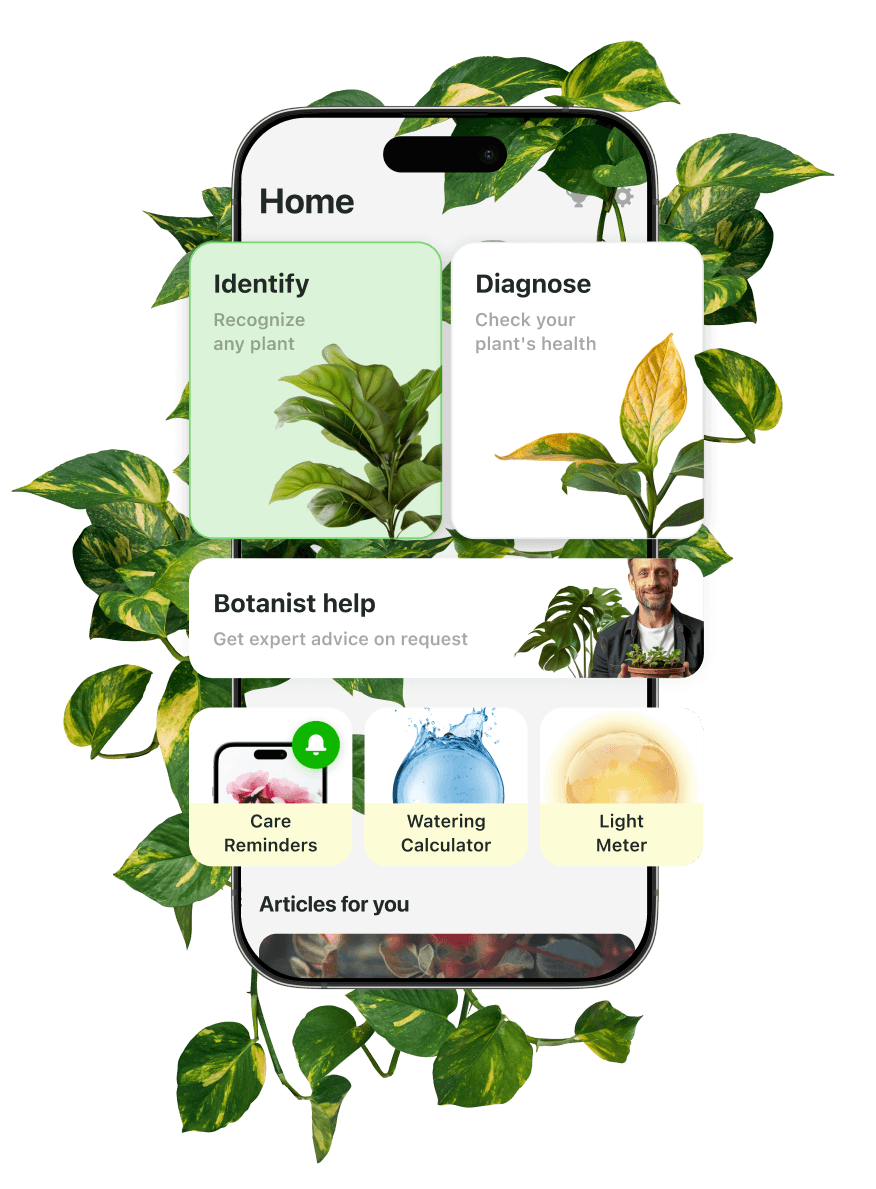
- Caring for houseplants. You can choose low-maintenance plants such as snake plants or ZZ plants. Even on a busy week, they’ll forgive a missed watering. If you're not sure what you brought home, a Botan app can identify it and show all the plant’s care requirements.
- Renting a community garden plot. If you want to go advanced, and your home doesn't have enough room, many community gardens rent small beds by the season. You also get other gardeners nearby to ask for advice.
You don't have to try everything on this list. Start with one pot, give it a couple of weeks, and see whether you enjoy growing. If you aren’t sure you can handle care right, consider using the Botan app for instant IDs and step-by-step care plans.
If you like the hobby, you might consider reading plant news, getting rare and more exotic plants, and expanding your garden. Just don't jump to the hard level before you've mastered the basics.
Keep Plants Thriving
Get simple care guidance tailored to each plant’s needs in the app
Creative Hobbies

Studies show that arts and creative activities improve well-being, reduce loneliness, and lower the risk of cognitive decline in older age. So, creative hobbies for girls are some of the best activities, and you can see the top ones below, sorted from free to most involved.
- Taking photos. Just use your phone. Take one photo a day for two weeks to see if you actually enjoy it.
- Sketching. All you need is a pencil and a notebook. 20 minutes a day is enough to start.
- Writing short stories. A first short story of a page or two fits in one evening, so you can see whether it’s the right fit.
- Watercolor painting. A beginner set with a pad of paper is a small purchase, and one small painting takes a single sitting
- Crocheting: Blankets, hats, bags — all come from the same simple technique, so one skill opens up plenty of projects.
- Knitting. It’s a slow, rhythmic craft that suits an evening in front of a show. Scarves and socks are good for starters.
- Embroidery. If detail and color appeal to you, consider this hobby with a visible payoff.
- Making jewelry. It’s quick and very personal. You pick the colors, beads, and shapes, and a bracelet or a pair of earrings is ready to wear the same day.
- Sewing. Useful as well as creative. You can hem pants and mend seams first, then move on to bags, cushions, and clothes.
For crafts that need supplies, start with a beginner kit. The materials are matched, and you only pay for one project before you know if you'll keep going.
Active & Outdoor Hobbies

With only 2-3 hours of outdoor recreation a week, 59% of people reported better health and 23% reported better well-being. If working out sounds like a chore, check these hobby ideas for women — each lets you move at your own pace.
- Walking in a park or on a trail. It's free and needs no gear. A 20-minute loop after work is a fine start.
- Running. Shoes are the only real cost, and you don’t need to start fast.
- Birdwatching. You only need binoculars and a local park to begin.
- Day hiking: Comfortable shoes and a short marked trail are all you need for a first hike.
- Cycling. Borrow or rent a bike and try a flat route before you buy one.
- Swimming laps. Public pools charge a small entry fee, and many visitors set aside lap hours in the early morning or evening.
- Yoga. A mat is the only equipment, and you can do it without a teacher — free videos will show you the basics.
- Pilates. Mat classes focus on core strength and control, and most studios offer beginner sessions.
- Tennis or pickleball. Many parks have public courts, and rental paddles or racquets keep a first try cheap.
- Kayaking or paddleboarding. Don’t buy gear first. Hourly rentals let you try it at much lower cost.
- Rock climbing. Indoor gyms also offer beginner sessions with the equipment included.
- Horseback riding. It's the priciest option here, and lessons are the only realistic way to start.
Aim for about 120 minutes a week outdoors. Walking, running, hiking, cycling, and birdwatching all count, and you can split the time however you like.
Relaxing & At-Home Hobbies

Not every hobby has to get you out of the house. If your ideal evening is a quiet one, this list of hobbies for women has plenty of pastimes you can start at home.
- Reading. A library card makes it free, and ten pages before bed is enough to start.
- Journaling. A notebook and five minutes at the end of the day are all it takes, and you can write whatever comes to mind.
- Meditating. Several apps offer free guided sessions, and five minutes is a good first length.
- Doing jigsaw puzzles: A 500-piece puzzle is a manageable first size, and thrift stores often sell them for a few dollars.
- Coloring. It's relaxing, and an adult coloring book and a set of colored pencils are the only supplies you need.
- Baking. One simple recipe, like banana bread or cookies, usually calls for ingredients you already have.
- Playing cozy video games. Slow-paced games with no timers or fail states suit a quiet evening, and some are free on a phone.
- Collecting. Postcards, stamps, or vintage teacups all work, and a small budget with no deadline keeps it relaxed.
Many of these activities leave your ears free, so you can put on an audiobook or a podcast while you work.
Learning & Skill-Building Hobbies

If you want both an engaging hobby and a new skill to go with it, these women's hobbies are worth a look.
- Learning a language. Free apps and online lessons are enough to start, and ten minutes a day is a realistic routine.
- Learning to cook a new cuisine: Choose one cuisine, such as Thai or Italian, and cook a few of its simple dishes.
- Learning basic woodworking: Community workshops and adult-education classes let you use tools before you buy any. Also, a simple shelf or cutting board is a realistic first project.
- Playing chess: You can play against beginner-level opponents online for free, and local clubs often welcome new players.
- Practicing calligraphy: A pen and free printable practice sheets are enough to get started.
- Learning to play guitar: A secondhand guitar and free online lessons will get you through your first songs, and a ukulele is a cheaper, easier alternative.
- Taking singing lessons: Group classes cost less than private lessons, and a beginner course teaches breathing and pitch first.
- Tracing your family history. Free genealogy sites let you search census and immigration records. Conversations with your oldest relatives may give you the names and dates to search for.
- Learning the constellations. A free sky-map app shows you what's overhead, so all you need is a clear night. A telescope will be needed later.
If none of these appeal, consider additional options like sign language, basic home repair, and mahjong. All of them can start with free videos or a local class.
Social Hobbies

If you want a regular reason to see people, most of these good hobbies for women give you one, though how much you talk depends on the activity and the group.
- Joining a book club. Libraries and bookstores run free ones, and you can easily join.
- Volunteering. Animal shelters, food banks, and community gardens need regular helpers, and many let you choose your own shifts.
- Taking dance classes. Beginner salsa and swing classes usually rotate partners, so you don't need to bring one.
- Going to trivia nights. You can join a team at the bar or café, and no one expects you to know every answer.
- Joining a board game group. Many local game shops and libraries host weekly nights and supply the games.
- Joining a supper club. Members bring a dish or take turns hosting a monthly dinner, so you see the same people each time.
- Taking an improv class. A beginner course focuses on group games, so everyone starts at the same level.
- Joining a community theater. Acting isn't always required, since sets, costumes, and lighting always need crew.
- Joining a rec league: Volleyball, kickball, and softball leagues often have beginner divisions, and many place solo sign-ups on a team.
Libraries, community centers, and local shops post their group meetings on bulletin boards and websites, which is the quickest way to find one near you.
Hobbies by Age
Leisure time and interests shift over the years, but age doesn't decide what you'll enjoy. Someone can start rock climbing at 55 or pottery at 25, and no single set of best hobbies for women fits every decade. The examples below are just the starting points to borrow from.

Women in Their 20s
Your twenties are a good time to try a few hobbies and keep the ones that stick.
Boxing classes and roller skating get you moving. Fermenting kimchi or kombucha is a project you can tend at home on your own schedule.
If you'd rather make something, digital illustration works on a phone or a laptop. For something with a bit more commitment, consider joining a weekly public speaking club or planning a camping weekend.
Women in Their 30s
Free time in your thirties can mean a few spare evenings or an open weekend, and there are hobbies for both.
At home, a set of dumbbells and an online workout video are enough to start strength training. Floral arranging is easy to try, whether with grocery-store flowers or in a beginner workshop.
Disc golf might be a good outdoor activity and needs only a couple of discs, and most courses cost nothing to play. For something social and fun, a beginner wine-tasting course usually runs for a few weeks.
Women in Their 40s
Hobbies in your forties can be light or involved, and the gear varies just as much.
A beginner bonsai workshop often includes the starter tree and tools. You can also learn about different types of plants and choose another variation of gardening.
Furniture refinishing classes let you bring a piece from home and learn to sand and repaint it. it. Intro archery classes at some city parks departments provide all the equipment and cost as little as $15. Adult learn-to-sail courses take complete beginners and supply the boats, and some clubs run women-only classes.
Women 50+
Among adults aged 50 and over, taking up a hobby was linked to 30% lower odds of depression.
Rowing and surfing both welcome beginners, and many schools take students of any age. Welding and stained glass offer beginner classes that require no experience, and beekeeping associations teach newcomers in short courses.
For some company or a bit of adventure, bridge clubs teach the game from scratch, and geocaching turns any walk into a treasure hunt with a free app.
Free & Cheap Hobbies

Walking, reading, and journaling cost almost nothing to start, and plenty of other hobbies are just as budget-friendly.
Pickup soccer, volleyball, and ultimate frisbee games in public parks are usually free. You can learn to dance at home with free video tutorials, or start a blog on a free platform.
Crossword and sudoku books cost under $20, and many museums have free-admission days. If you like plants, community plant and seed swaps let you trade cuttings for free, and beginner gardener tips cover what to do with them at home.
How to Choose a Hobby
With 50+ options, you shouldn’t start with what counts as typical female hobbies. Start with your own preferences. These six steps narrow the list down.
- Write down what you enjoy. List three things you lose track of time doing, such as cooking, drawing, or being outdoors, and match each to a group in the table.
- Check your time. Count the free hours you really have in a normal week. Plants usually take 10 to 30+ minutes a day, while a class or club needs a 1 to 2+ hour slot.
- Set a budget. Decide the most you'll spend in the first month, and cross off anything whose starter gear costs more.
- Decide solo or social. A class or club means showing up at set times, while solo hobbies fit around your schedule.
- Test it cheaply. Borrow or rent the gear, or book one drop-in class, before you buy anything.
You don't have to pick just one. Try two or three, and keep the ones you'd happily do again.
Starting a new plant hobby?
Identify any plant and get clear care tips
FAQ
Consider pottery, stained glass, floral arranging, or sewing if you like making things. For active options, try boxing, roller skating, indoor climbing, paddleboarding, pickleball, or cycling. There's also stargazing, calligraphy, wine tasting, improv and tabletop role-playing, or dance classes, and many more options.
Margo Yarovenko
Editor in Chief
10+ years of experience in checking information, content leading, and proofreading articles
Margo is Editor-in-Chief and Head of Content, with more than 10 years of experience in content management, fact-checking, proofreading, and editorial review. She is a plant lover and expert with deep plant knowledge and works closely with plant-care materials to ensure each article is botanically correct, accurate, well-structured, and easy for readers to understand.
As an expert and linguist, she focuses on verifying information, improving clarity, and maintaining consistent quality across Botan’s content. This expert turns scientific knowledge into practical guidance for beginners and experienced readers.
Related Articles
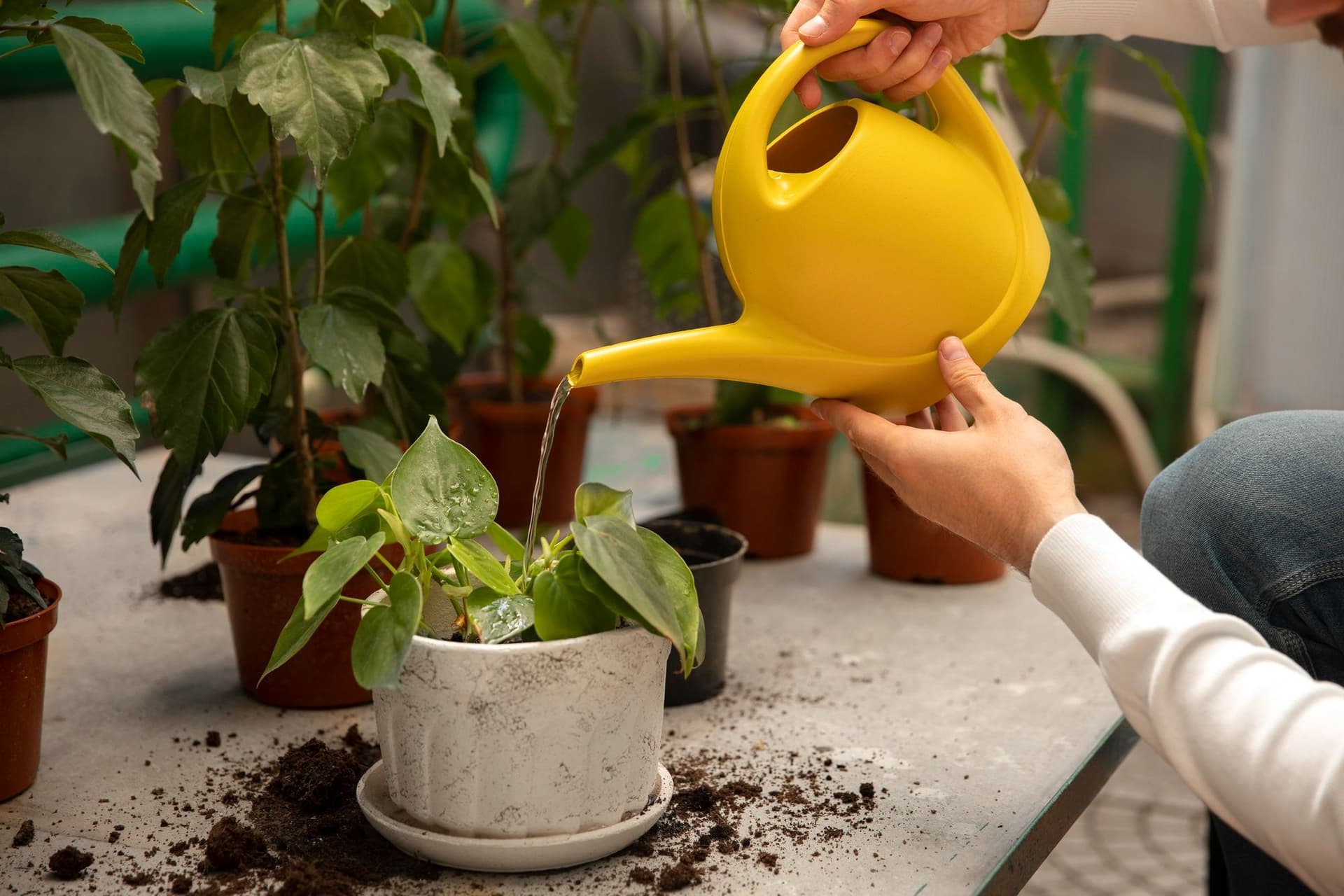
6 min read · 21 Oct 2026
Best Plant Watering App: 7 Apps for Reminders and Schedules
Discover 7 top apps for watering reminders. Learn what each offers, compare watering features, plus additional care features and costs. Get extra tips to choose the right tool for your specific needs.
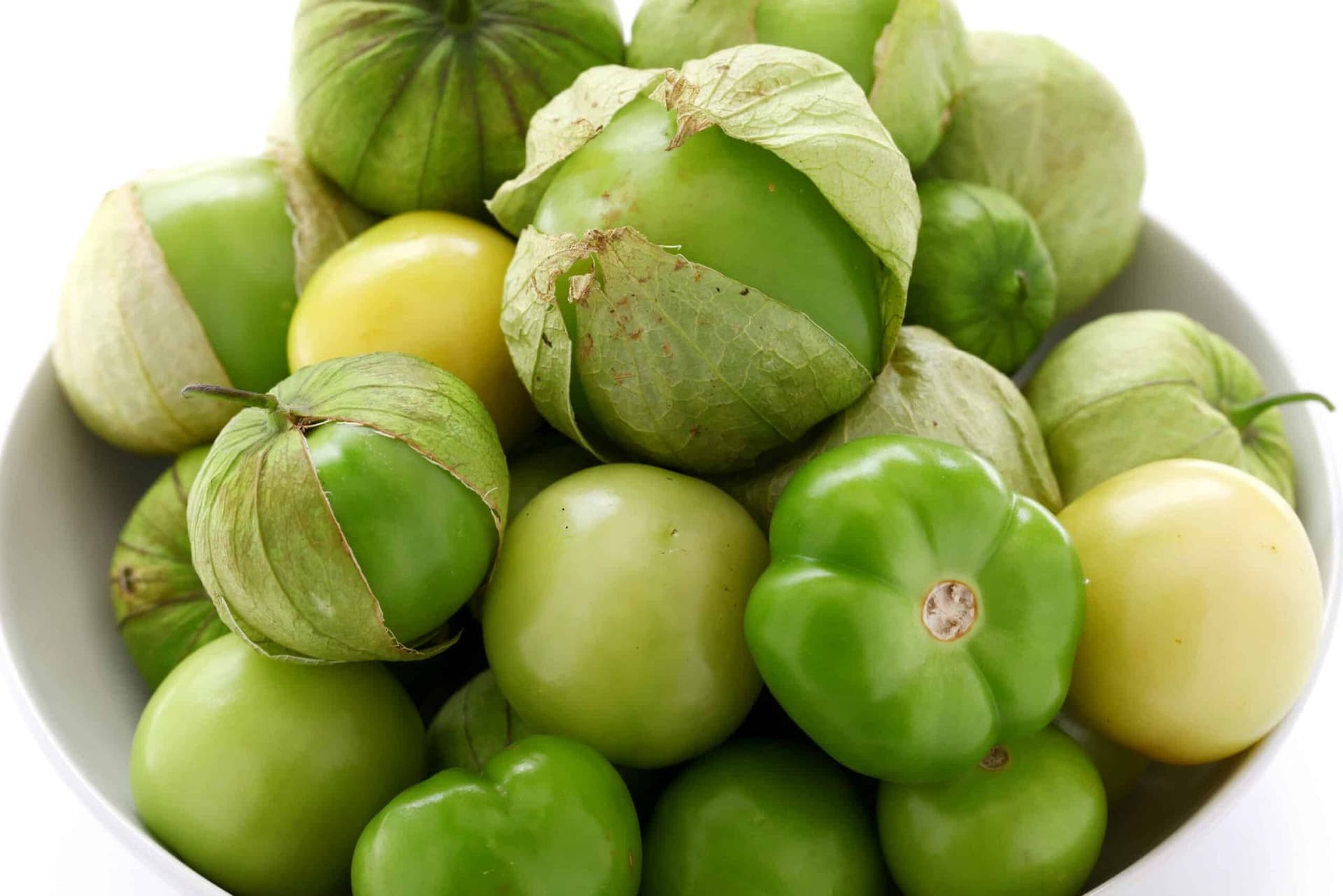
4 min read · 20 Oct 2026
When to Harvest Tomatillos: How to Tell When They're Ripe
Tomatillos grow inside papery husks, making it hard to judge ripeness at a glance. This guide explains how to know when tomatillos are ripe and offers practical advice on harvesting and storage.

8 min read · 16 Oct 2026
20 Funny Plant Names That Make You Laugh
Some plants carry names that sound like jokes. This guide explains the origins of 20 funny plant names. You will also see which of these plants you can grow at home.
Explore Plants by Care Needs



Identify the plant and problem. Help your plant recover
Identify plant problems early, understand what's wrong, and get clear care guidance. Botan helps you turn guesswork into confident plant care