Prostrate kowhai Care (Sophora prostrata)

Prostrate kowhai

About Prostrate kowhai

Prostrate kowhai (Sophora prostrata) is a small, wiry shrub native to New Zealand, known for its tangled, zigzag branches and tiny, closely spaced leaves. It typically forms a compact, low mound, giving a structured, architectural look in rock gardens or mixed borders.

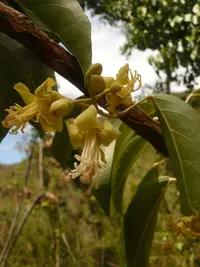
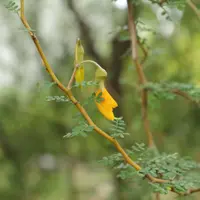
In spring, it produces small yellow tubular flowers that attract birds and insects, followed by decorative seed pods. The plant is naturally adapted to exposed, dry sites, which makes it relatively tough once established but slow growing.

It usually prefers full sun, free-draining soil, and moderate watering, so understanding how to care for Prostrate kowhai starts with avoiding waterlogged conditions and heavy shade.

Main Plant Requirements

Care Difficulty

Moderate Care

Light Preference

Full Sun

Water Requirements

Low Water

Temperature Preference

Cool Climate

Hardiness Zone

7–9

Soil Texture

Sandy, Loamy, Rocky

Soil pH

Slightly acidic (6.5–7.0), Neutral (7.0)

Soil Drainage

Well-drained

Fertilization

Minimal (feed rarely)

Get Personalized Care Plan

Scan your plant to receive care tips personalized for your specific plant

Available on iOS and Android

How to Care for the Prostrate kowhai

This compact shrub prefers bright, open conditions to develop dense, twiggy growth.

  • Provide 6–8 hours of direct sun daily; morning sun plus light afternoon shade suits Prostrate kowhai in hotter summer climates.
  • In very hot regions, protect from harsh afternoon sun with dappled shade or a west-side screen to reduce leaf scorch and moisture stress.
  • In cooler or coastal areas, full sun all day promotes flowering; in partial shade it survives but becomes looser, with fewer flowers and sparser branching.

This species prefers free-draining soil and dislikes prolonged wet conditions around the roots.

  • Allow the top 3–5 cm of soil to dry before watering, then soak deeply so water reaches the root zone rather than applying frequent shallow splashes.
  • During the first growing season, monitor soil after sun and wind; drooping tips and dry, pale foliage suggest underwatering, while yellowing leaves and soft stems suggest excess moisture.
  • Once established in well-drained ground, Sophora prostrata usually needs only occasional deep watering in dry summer spells and little to none in cool, rainy seasons.

This shrub is naturally adapted to cool, temperate climates with moderate seasonal variation.

  • Ideal growing temperatures are about 55–75°F (13–24°C), supporting steady shoot and root development without stress.
  • Mature plants tolerate light frost down to about 20–23°F (-6 to -5°C); brief colder snaps may damage young tips but established plants often recover.
  • In heat over 86°F (30°C), provide mulch and some afternoon shade, since prolonged hot, dry winds can desiccate small leaves and stress fine branchlets.

This shrub accepts a wide humidity range and rarely needs special humidity management indoors or outdoors.

  • Target 30–60% humidity, similar to most heated homes, for stable foliage and twig health.
  • Dry indoor air below 30% may cause slight leaf yellowing or tip browning but usually does not harm the plant long term.
  • If air is very dry near heating vents, move Prostrate kowhai away from direct airflow rather than using trays or humidifiers.

This species prefers lean, well-aerated mineral soil that drains quickly and does not stay wet.

  • Use a sandy or gritty loam with low to moderate organic matter so water passes through in seconds, not minutes.
  • Aim for slightly acidic to neutral pH, roughly 6.0–7.5, which suits typical landscape and container mixes.
  • For pots, combine roughly 50% standard potting mix with 25% coarse sand and 25% fine gravel or pumice for drainage and aeration.
  • Avoid heavy clay, peat-heavy mixes, or any soil that compacts or stays soggy, which greatly increases root rot risk for Sophora prostrata.

This species adapts well to container growing when the pot is prepared for its woody, spreading framework and sensitive roots.

  • Choose a wide, heavy container to counterbalance the twiggy, horizontal branching that can make the plant wind-sensitive.
  • Select terracotta or another breathable material to let the mix dry between waterings and prevent prolonged root wetness.
  • Ensure large, unobstructed drainage holes and use a shallow layer of coarse gravel only around them to keep exits from clogging, not as a full base layer.

Sophora prostrata grows well in lean soils but benefits from light feeding in containers or very poor ground.

  • Use a balanced slow-release fertilizer (for example 10-10-10) in spring at half the label rate for potted plants.
  • Apply once in early spring and again mid-summer during active growth; avoid late-season feeding.
  • On garden plants, a thin top-dressing of compost in spring is usually sufficient.
  • Do not feed in winter dormancy, and avoid strong liquid feeds that can cause soft, weak growth.

Pruning Sophora prostrata is mainly used to refine shape and remove problem wood rather than to control size drastically.

  • Carry out structural pruning in late winter or early spring before strong new growth starts.
  • Remove dead, damaged, rubbing, or badly crossing branches using clean, sharp bypass pruners.
  • Thin congested interior stems lightly to let in light and maintain the plant’s intricate twiggy form.
  • Avoid heavy cutting into old wood; trim only shoot tips to guide shape and preserve flowering spurs.

This shrub prefers staying slightly root-bound, so repot or transplant Sophora prostrata only when clear stress signs appear.

  • Check for roots circling the pot base, slow growth, or rapid drying of the mix as cues to move up 1 pot size.
  • Plan repotting or transplanting for early spring or early fall when temperatures are mild.
  • Typically adjust containers every 3–4 years, refreshing the top 2–3 cm of soil annually instead of full repotting.
  • Water well 1–2 days before moving, handle the rootball gently, and keep the plant shaded and evenly moist afterward to reduce shock.

Sophora prostrata is commonly propagated from seeds and semi-hardwood cuttings, though both methods require patience and stable conditions.

  • Sow fresh seeds in late winter to spring after nicking or gently sanding the hard seed coat to improve absorption.
  • Use a free-draining mix, keep at 64–70°F, and maintain light, even moisture for several weeks to months of germination.
  • Take semi-hardwood cuttings in late summer, dip bases in rooting hormone, and place in a warm, bright, humid environment.
  • Provide bottom heat if possible and avoid waterlogging to reduce rot while roots establish.

This shrub is moderately cold hardy, so most in-ground plants in mild climates need only minimal winter care.

  • Mature plants tolerate light frost, but young or potted specimens benefit from extra protection below about 20°F.
  • Apply a 5–8 cm mulch layer around the root zone in late fall, keeping it away from direct stem contact.
  • Move containers into a sheltered, unheated but frost-free area with good light in very cold regions.

Care Tips

Shape With Wiring

On young flexible stems, use soft aluminium or bonsai wire wrapped loosely in a spiral to guide the plant’s zigzag framework, checking monthly and removing or adjusting the wire before it cuts into the bark.

Encourage Fine Ramification

After flowering, pinch or trim just the soft tips of new shoots rather than cutting back hard, which promotes dense twiggy branching that suits this species’ natural architectural form.

Protect From Root Disturbance

When repotting or planting out, keep the root ball as intact as possible and avoid teasing roots, then water once to settle soil and leave the plant undisturbed so the fine feeder roots can re-establish.

Use Mineral Mulch

Apply a very thin layer (0.5–1 cm) of fine gravel or pumice on the soil surface instead of organic mulch to reduce splashing soil on stems, keep the root collar dry, and visually highlight the plant’s branching.

Plan For Winter Wind

In climates with cold, drying winter winds, position the plant where surrounding shrubs, low fencing, or a perforated windbreak reduce direct exposure, which helps prevent twig dieback and desiccation while growing Prostrate kowhai.

Common Pests and Diseases

Scale insects

These insects feed on stems and young twigs, causing yellowing, leaf drop, and general decline, especially in dry, sheltered positions. This pest is often seen on older, woody Prostrate kowhai grown in containers or near warm walls.

Solution

Wipe or scrub stems with a soft brush and mild soapy water, then rinse; repeat every 7–10 days until the insects are gone. For heavier infestations, use a light horticultural oil spray labeled for ornamental shrubs, applied thoroughly to stems and undersides of leaves in mild, dry weather.

Leaf spot

This disease causes small brown to dark spots on leaves, sometimes with yellow halos, which can lead to premature leaf drop in humid or poorly ventilated sites. Symptoms include patchy thinning of foliage while stems remain alive.

Solution

Remove and dispose of affected leaves and any fallen debris, then improve airflow by lightly thinning surrounding vegetation and avoiding overhead watering. In persistent, severe cases, apply a copper-based or other ornamental shrub fungicide according to label directions during periods of prolonged wet weather.

Sooty mold

This disease appears as a black, soot-like coating on leaves and stems, usually developing on the sticky honeydew excreted by sap-sucking insects such as scale. Symptoms include dull, dirty-looking foliage and reduced photosynthesis, but tissues underneath usually remain alive.

Solution

First control the honeydew-producing insects by washing stems with soapy water or using horticultural oil, then gently wipe affected leaves with a damp cloth or spray with a strong but not damaging jet of water. Improve light and airflow around the shrub to help new, clean growth develop.

Leaf miner

This pest creates pale, winding tunnels within the leaf blades, which can make small plants look unsightly and may slightly reduce vigor if damage is heavy. This pest is more common on nursery or container-grown plants under cover.

Solution

Pinch off and dispose of affected leaves to remove larvae before they mature, checking new growth regularly. Encourage plant vigor with correct watering and light, and if damage continues, use a systemic insecticide labeled for leaf miners on ornamental shrubs, applied according to instructions.

Armillaria root disease

This disease, caused by Armillaria fungi in old woodland or orchard soils, leads to progressive wilting, sparse foliage, and eventual death, often starting on one side of the shrub. Symptoms include poor new growth and occasional honey-colored mushrooms at the base in autumn.

Solution

Once established, this disease cannot be cured, so remove and destroy severely affected plants and as much of the infected root wood as possible. Replant in a different area with well-drained soil and avoid planting Sophora or other susceptible woody species where Armillaria is known to be present, focusing on how to take care of Prostrate kowhai in clean, well-prepared ground.

Interesting Facts

Divaricating tangle shrub

This species naturally grows as a dense, intricately interlaced shrub with very fine, rigid branchlets, a classic New Zealand divaricating form thought to help protect foliage from browsing birds and harsh winds in its native habitat.

Miniature kowhai leaves

The plant carries very small, closely spaced, opposite leaflets on zig-zag stems, giving it a fine-textured, almost wiry appearance that differs from the larger leaves of most other kowhai species.

Native New Zealand endemic

It is endemic to eastern parts of the South Island of New Zealand, where it grows in dry, open shrubland and rocky sites, adapted to relatively poor, free-draining soils and strong light.

Botan icon

Did you know?

Despite its small leaves and compact, wiry growth, this shrub still produces true kowhai-type pea flowers in shades of yellow to orange, which provide nectar for native birds and insects in its natural range.

FAQs about Prostrate kowhai

Growth is moderate rather than fast. In suitable outdoor conditions it typically extends 5–15 cm per year, forming a low, twiggy shrub. Poor drainage, deep shade, or very nutrient-poor soil will slow growth noticeably.

Grow Healthy Plants with Botan Care

Keep your plants happy and healthy with plant identification, disease detection, and easy care guidance.


Botan plant care app — identify plants on mobile

Explore More Plants