Mexican Feather Grass Care (Nassella tenuissima)

Also known as: finestem needlegrass, Pony Tails, Argentine needle-grass, White Tussock, Serrated Tussock
Mexican Feather Grass

About Mexican Feather Grass

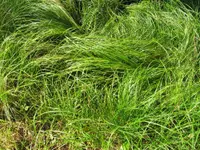
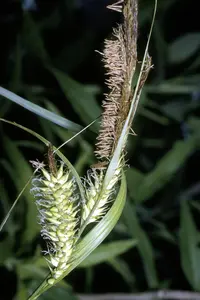
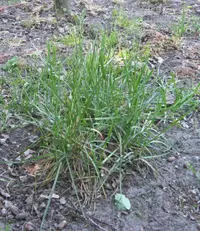
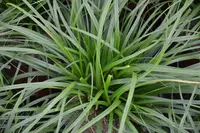
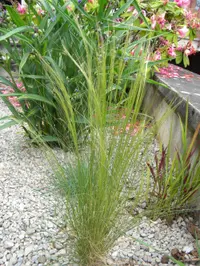
Mexican feather grass, Nassella tenuissima, is a fine-textured ornamental grass valued for its soft, hairlike leaves and graceful, fountain-like clumps. It forms dense tufts that sway easily in the slightest breeze, adding movement and a light, airy look to plantings.

This grass is native to arid and semi-arid regions of the southwestern United States and Mexico, where it naturally grows in open, sunny sites. It tends to be easy to establish and adapt, as long as the soil drains well and moisture is not excessive.

Gardeners often choose it for low-maintenance borders, naturalistic plantings, and containers, and to learn how to care for Mexican Feather Grass in dry, sunny gardens.

Main Plant Requirements

Care Difficulty

Easy Care

Light Preference

Full Sun

Water Requirements

Low Water

Temperature Preference

Cold Hardy

Hardiness Zone

6–10

Soil Texture

Sandy, Loamy, Rocky

Soil pH

Slightly acidic (6.5–7.0), Neutral (7.0)

Soil Drainage

Well-drained

Fertilization

Minimal (feed rarely)

Get Personalized Care Plan

Scan your plant to receive care tips personalized for your specific plant

Available on iOS and Android

How to Care for the Mexican Feather Grass

This fine-textured grass prefers bright, open conditions to maintain dense, upright growth.

  • Provide 6–8 hours of direct sun daily; morning sun with light afternoon shade is ideal in hot summer climates.
  • Tolerates light or dappled shade for a few hours, but prolonged shade causes weak, floppy foliage and reduced flowering in Mexican Feather Grass.
  • In hotter regions, protect from intense late-afternoon sun to prevent leaf tip scorch, and ensure nearby plants or structures do not cast heavy winter shade.

This drought-tolerant grass prefers infrequent, deep watering in sharply drained soil.

  • Allow the top 5–8 cm of soil to dry before watering; in established beds this often means waiting until foliage just begins to lose its springiness.
  • Increase watering slightly in the first growing season for Nassella tenuissima, but still let soil dry between soakings to encourage deep roots.
  • In very hot, dry spells, water once foliage starts to curl or tan at the tips; reduce or stop watering in cool, rainy seasons to avoid root rot.

This grass thrives in temperate climates with moderate warmth and good air movement.

  • Optimal growth occurs around 65–80°F (18–27°C), with strong, upright foliage during spring and early summer.
  • Plants generally tolerate down to about 10–15°F (-12– -9°C) once established, but repeated freeze–thaw cycles in wet soil increase winter loss.
  • Handles dry heat up to 95°F (35°C) if soil is well drained, though prolonged extreme heat can cause browning; cut back dead foliage and allow new growth in cooler seasons.

This species tolerates a wide humidity range and rarely needs special humidity management.

  • Performs well at 30–60% humidity, similar to most outdoor conditions in temperate and arid regions.
  • Handles dry air without issue, so indoor heating or outdoor wind usually does not cause humidity stress.
  • If foliage tips brown while soil is not dry or waterlogged, check for heat or salt stress rather than low humidity.

Nassella tenuissima prefers lean, sharply drained soil that mimics dry, open grassland conditions.

  • Use sandy or gritty loam with low to moderate organic matter; excess compost can make growth floppy and short-lived.
  • Aim for pH 6.0–7.5, as strongly acidic or alkaline soils may reduce vigor and increase nutrient imbalances.
  • Improve drainage and aeration by blending mineral sand or fine gravel with a light loam, avoiding heavy clay or peat-rich mixes.
  • Avoid compacted or water-retentive substrates; standing water around the crown quickly leads to rot and dieback.

This grass can grow successfully in containers when drainage and stability are managed carefully.

  • Choose a wide, relatively shallow pot to accommodate a fibrous spreading root system without creating a deep, wet zone at the base.
  • Select a heavier material such as ceramic or concrete in windy sites so the fine, airy foliage does not tip the container.
  • Raise the pot on feet or spacers so drainage holes clear quickly and do not sit in saucer water after rain or irrigation.

Nassella tenuissima needs only light feeding in most garden soils.

  • Use a light top-dressing of compost or a low-dose balanced NPK granular fertilizer in early spring.
  • Feed once per year during the main growing season; avoid mid-summer high-nitrogen products that cause floppy growth.
  • Apply at half the label strength for ornamental grasses, and water in gently after application.
  • Skip fertilizing in winter or dormancy to maintain compact, upright Mexican Feather Grass growth.

Nassella tenuissima benefits from periodic clean-up rather than heavy pruning.

  • In late winter or very early spring, comb through clumps with gloved hands or shears to remove dead and damaged blades.
  • Avoid cutting completely to the ground; leave 5–10 cm to preserve the plant’s natural fountain shape.
  • Thin congested or matted sections to improve air flow and reduce disease risk.
  • Use clean, sharp scissors or hand shears, making light, staggered trims instead of one harsh cut line.

This grass is usually grown in the ground, so focus on careful transplanting rather than frequent repotting.

  • Transplant in early spring or early fall when temperatures are mild and soil is workable.
  • Move clumps only when growth slows, they outgrow their space, or container roots circle the pot and dry quickly.
  • Lift with a wide root ball, disturbing roots as little as possible, and replant at the same depth in well-drained soil.
  • Water thoroughly after transplanting, then keep evenly moist but not waterlogged for 1–2 weeks to limit transplant shock.

Nassella tenuissima is commonly propagated by seed and by careful division of established clumps.

  • Allow seed heads to mature and dry, then sow seeds on the soil surface in trays or directly outdoors in fall or early spring.
  • Provide light, well-drained soil and bright light; cool to mild temperatures support steady germination.
  • Divide established clumps in early spring, lifting and gently separating small sections with healthy roots.
  • Replant divisions promptly, water well, and maintain slightly moist soil until new growth is clearly visible.

In many regions this grass is fairly cold tolerant and needs minimal winter care.

  • In climates colder than about USDA zone 6, apply a light mulch layer around the base to insulate roots without burying the crown.
  • Leave dry foliage standing over winter to shield the crown from freeze–thaw cycles and wind.
  • For containers in cold areas, move pots to a sheltered, frost-free but cool spot and water sparingly to keep roots just barely moist.

Care Tips

Shear For Rejuvenation

Shear clumps back by about one-third in late winter before new growth emerges to maintain a dense fountain shape and remove weather-damaged foliage.

Control Unwanted Self‑Seeding

Cut and dispose of seed heads just as they finish flowering if you want to limit spread, especially near natural areas or dryland plantings where it can self-sow aggressively.

Staggered Planting Layout

Plant in irregular drifts with mixed spacing (20–40 cm apart) to create a more natural, wind-responsive effect and reduce the risk of uniform lodging in heavy rain or wind.

Use Porous Edging

Edge beds with gravel strips or permeable pavers around clumps to keep crowns dry, prevent soil splash on foliage, and improve air movement at the plant base.

Winter Drainage Check

Before the wet season, confirm that water does not pool around the crown for more than a few hours and, if needed, slightly raise plants with a gritty top-up layer to protect against rot when caring for Mexican Feather Grass.

Common Pests and Diseases

Rust

This disease causes small orange, yellow, or brown pustules on foliage, and affected blades may dry out and die prematurely.

Solution

Remove and discard heavily infected clumps, avoid overhead watering, and thin surrounding vegetation to increase air movement; if rust persists in humid conditions, apply a lawn or ornamental grass fungicide labeled for rust and follow the product’s timing and safety directions carefully.

Leaf spot

This disease produces tan to brown spots or streaks on the grass blades, sometimes with a darker edge, and can make clumps look patchy and thin over time.

Solution

Trim and dispose of the worst affected foliage, keep irrigation at the soil level, and improve drainage; in persistent or severe cases, use a labeled foliar fungicide for ornamental grasses and alternate between products with different active ingredients to slow resistance development.

Aphids

These insects may cluster on the tender bases of leaves and flowering stems, sucking sap and causing distorted growth and sticky honeydew deposits.

Solution

Rinse colonies off with a firm stream of water, encourage natural predators like lady beetles, and, if needed, use an insecticidal soap or neem oil spray directed into leaf bases and stems, repeating weekly until populations drop.

Spider mites

This pest feeds on the fine foliage, leading to a dry, stippled appearance and very fine webbing between blades during hot, dry weather.

Solution

Increase humidity around the plant with occasional hosing, rinse foliage thoroughly to dislodge mites, and, for heavy infestations, apply a miticidal soap or horticultural oil labeled for mites, coating both sides of the foliage and repeating as directed.

Interesting Facts

Native highland grass

This species is native to arid and semi-arid highlands of northern and central Mexico, where it grows in open, rocky soils exposed to strong sun and wind.

Extremely fine foliage

Its leaves are very narrow, typically under 0.5 mm wide, which reduces water loss through transpiration and allows the foliage to move readily with even light air currents.

Short-lived perennial habit

In many temperate climates it behaves as a short-lived perennial that often needs replanting after a few years, even though individual plants can self-sow and maintain a colony under suitable conditions.

Botan icon

Did you know?

In several US states and parts of Australia, this ornamental grass is listed as a potentially invasive or watch-list species because its light, numerous seeds can disperse widely on wind and establish in disturbed, dry habitats, which makes understanding responsible Nassella tenuissima care important for gardeners near natural areas.

FAQs about Mexican Feather Grass

This species self-seeds freely and can spread beyond planting areas, especially in mild, dry climates. In some regions it is listed as invasive or a noxious weed, so always check local regulations before planting or sharing it.

Grow Healthy Plants with Botan Care

Keep your plants happy and healthy with plant identification, disease detection, and easy care guidance.

Botan plant care app — identify plants on mobile

Explore More Plants