Protect summer crowns
In very hot, dry summers, leave the previous season’s dry foliage in place until early spring to shade the plant’s crown and reduce stress on new growth.

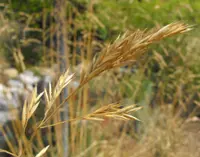
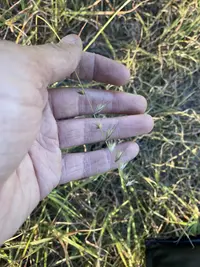
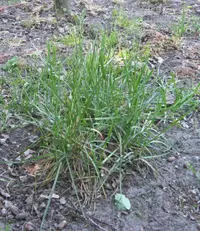
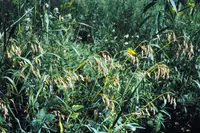
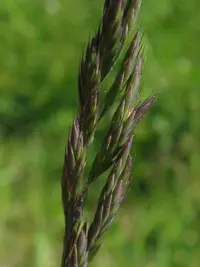
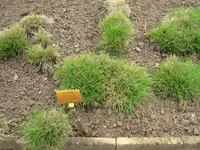
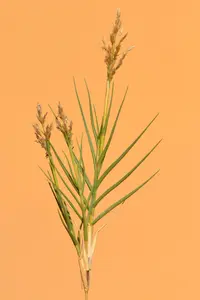
California fescue, Festuca californica, is a cool-season bunchgrass native to woodlands, chaparral, and shaded slopes of California and parts of Oregon. It forms dense, arching clumps of blue-green to gray-green foliage, with airy flower stalks that rise above the leaves and move easily in wind.
This grass is adapted to dry summers and mild, wet winters, which makes it suitable for low-water gardens and naturalistic plantings. It responds well to partial shade and prefers well-drained soils, making it relatively straightforward to care for California fescue in many home landscapes.

Care Difficulty
Easy Care

Light Preference
Full Sun

Water Requirements
Low Water

Temperature Preference
Cold Hardy

Hardiness Zone
5–9

Soil Texture
Sandy, Loamy, Rocky

Soil pH
Slightly acidic (6.5–7.0), Neutral (7.0)

Soil Drainage
Well-drained

Fertilization
Minimal (feed rarely)
Scan your plant to receive care tips personalized for your specific plant
Available on iOS and Android
This bunchgrass prefers bright conditions with some protection from intense afternoon sun.
This drought-tolerant grass prefers infrequent, deep watering once established.
This cool-season bunchgrass handles a wide range of outdoor temperatures when sited correctly.
This grass tolerates a wide humidity range and rarely needs special humidity control.
Festuca californica prefers lean, fast-draining mineral soils that never stay waterlogged.
This species can be grown in containers if drainage and stability are carefully managed.
This native bunchgrass needs only light feeding in most garden soils, especially when established.
Pruning Festuca californica is mainly about tidying old growth and maintaining a neat clump form.
This grass is usually grown in the ground, with transplanting done mainly to improve spacing or rejuvenate clumps.
Festuca californica is commonly propagated by division or seed, both suited to home gardeners.
This grass is generally cold hardy in its range and needs little winter care in the ground.

Plant Health Check
Not sure what's wrong with your plant? Check your plant's health inside the app.
This perennial bunchgrass is one of the dominant native grasses of California’s coastal and foothill ecosystems, forming dense clumps that help stabilize slopes and reduce soil erosion on dry hillsides.
Its root system reaches deeply into the soil, allowing the plant to stay evergreen or semi-evergreen in many Mediterranean-climate summers while surviving on limited rainfall once established.
The arching leaves and dense tufts provide cover for ground-nesting birds and small mammals, while its seeds are eaten by various native insects and birds, supporting local food webs in oak woodland and chaparral habitats.

Genetic studies place this species within a diverse native Festuca complex in western North America, and local forms of California fescue often show strong adaptation to their home sites, which is why wild-collected seed sources are sometimes matched to specific restoration locations.
This bunchgrass is semi-evergreen. In mild climates it keeps most foliage year-round, though older blades brown and need trimming. In hotter or colder areas, it can go partly dormant, then push fresh growth when conditions improve.
Keep your plants happy and healthy with plant identification, disease detection, and easy care guidance.