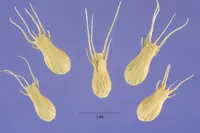
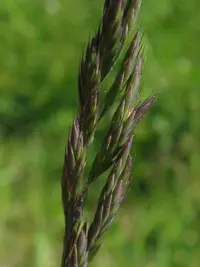
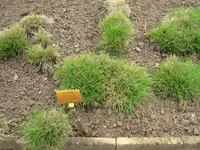
needle grama Care (Bouteloua aristidoides)

needle grama

About needle grama

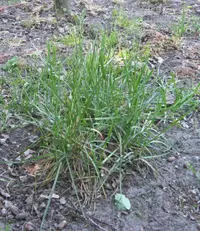
Needle grama (Bouteloua aristidoides) is a small, fine-textured annual bunchgrass native to arid and semi-arid regions of the southwestern United States and northern Mexico. It often grows in open, sandy or gravelly soils where few other grasses thrive.

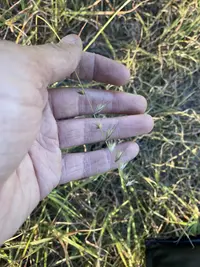
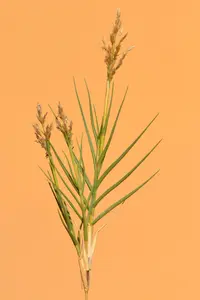
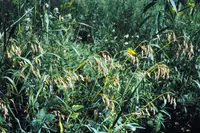
Plants form delicate clumps with very slender leaves and airy flowering stems that give a soft, wispy look. Seed heads are small and narrow, contributing to a light, understated appearance in mixed plantings.

This grass is adapted to heat, sun, and low rainfall, which makes it relatively undemanding once established in suitable conditions. Understanding how to care for needle grama starts with providing strong light, fast-draining soil, and avoiding consistently wet sites.

Main Plant Requirements

Care Difficulty

Easy Care

Light Preference

Full Sun

Water Requirements

Low Water

Temperature Preference

Warm Climate

Hardiness Zone

8–11

Soil Texture

Sandy, Loamy, Rocky

Soil pH

Slightly acidic (6.5–7.0), Neutral (7.0)

Soil Drainage

Well-drained

Fertilization

Minimal (feed rarely)

Get Personalized Care Plan

Scan your plant to receive care tips personalized for your specific plant

Available on iOS and Android

How to Care for the needle grama

This warm-season desert grass thrives in bright, open sites with long, direct sun exposure.

  • Provide 6–10 hours of direct sun daily; full sun supports compact growth and strong seed heads in needle grama.
  • Plant in open ground or unshaded slopes; it tolerates light afternoon shade but may grow taller and sparser with fewer flowers.
  • In cooler seasons or higher latitudes, choose south- or west-facing exposures; in very hot inland sites, slight late-day shade helps reduce leaf scorch on shallow soils.

This species is strongly drought-adapted and prefers infrequent, deep watering in fast-draining soil.

  • Allow the top 5–8 cm of soil to dry between waterings; in the ground, only water when blades curl, gray, or feel dry and papery.
  • Use sandy or gravelly soil that drains quickly; avoid standing water, which leads to root rot, limp foliage, and a sulfur smell in the soil.
  • Reduce or stop supplemental water in cool seasons; resume light, deep watering during hot, dry periods when new growth appears pale or stalled.

This annual warm-season grass prefers hot, dry climates and is sensitive to freezing temperatures.

  • Aim for active growth in 75–95°F (24–35°C); germination and establishment are most reliable once soils have warmed in late spring.
  • Bouteloua aristidoides tolerates brief spikes to 105°F (40°C) if soil is not waterlogged, but prolonged extreme heat with no moisture can cause early senescence.
  • Protect from frost; damage often occurs below 32°F (0°C), and plants are usually killed by sustained temperatures under 28°F (-2°C).

This grass is highly tolerant of dry air and does not require special humidity management indoors or outdoors.

  • Target a broad humidity range of 20–50% when grown indoors, similar to typical heated or air-conditioned rooms.
  • Needle grama shows humidity stress mainly as persistent leaf tip browning combined with tight, compacted soil rather than air dryness alone.
  • If air is extremely dry and heat is intense, group pots together and mulch the soil surface to slow moisture loss from the root zone.

Bouteloua aristidoides prefers very well-drained, sandy or gritty soil that mimics arid, open habitats.

  • Use a mix of roughly 60–70% coarse sand or grit with 30–40% lean potting soil or loam to keep texture loose and fast-draining.
  • Aim for slightly acidic to neutral pH, around 6.0–7.5, avoiding strongly acidic or alkaline substrates that can limit nutrient uptake.
  • Improve aeration by adding mineral components such as pumice or perlite rather than heavy composts that hold excess water.
  • Avoid dense clay, high-peat, or constantly wet mixes, which promote root rot and weaken this drought-adapted grass.

This species can be grown in containers, especially for short-term display or controlled meadow-style plantings.

  • Choose a wide, shallow pot to match its fibrous root system and reduce the risk of waterlogged lower layers.
  • Select unglazed terracotta or other breathable materials to help excess moisture evaporate in cooler or wetter climates.
  • Position containers where wind cannot easily tip them, as the fine foliage can act like a sail in exposed sites.

This annual desert grass, known as needle grama, grows acceptably in poor soils and usually needs only light feeding in containers or very depleted sites.

  • Use a low-strength balanced NPK fertilizer or thin layer of compost for container-grown plants on poor, sandy substrates.
  • Feed lightly every 4–6 weeks during the active warm-season growth if foliage looks pale or growth is weak.
  • Dilute liquid fertilizer to 1/4–1/2 strength to avoid salt buildup and root burn in small pots.
  • Stop feeding in late summer as plants approach natural decline, and do not fertilize during winter dormancy.

Bouteloua aristidoides needs minimal pruning, mainly to maintain appearance and remove dead material.

  • Cut back dead or broken stems at ground level in late winter or very early spring before new growth emerges.
  • Remove overly crowded or lodging clumps to keep the plant airy and reduce self-shading.
  • Use clean, sharp hand pruners or shears to make quick, precise cuts and limit tissue damage.
  • Leaving some seedheads over winter supports wildlife, then trim them once seeds have dispersed.

This annual bunchgrass is more often direct-sown or field-grown, with transplanting used mainly for nursery starts or container displays.

  • Transplant seedlings once roots have lightly filled the plug or small pot but are not yet circling the container.
  • Aim for transplanting in mid to late spring after frost risk passes and soils are warming and well-drained.
  • Expect to replant each year rather than repot the same Bouteloua aristidoides individual, since it is typically annual.
  • Water the root zone thoroughly before and after transplanting, handle the root ball gently, and shade briefly if conditions are hot and dry.

Bouteloua aristidoides is most commonly propagated by seed rather than by division or cuttings.

  • Sow fresh or stored seed in late spring to early summer when soil temperatures reach about 65–80°F.
  • Use a sandy, well-drained seed mix; press seeds lightly into the surface and cover with a very thin layer of substrate.
  • Keep the mix evenly moist but never waterlogged until germination, then reduce watering as seedlings establish.
  • Provide full sun and good air circulation to produce sturdy, compact seedlings suitable for transplanting or direct outdoor growth.

As a warm-season annual grass, Bouteloua aristidoides is not frost hardy and usually completes its life cycle before or during winter, so long-term winter care is minimal.

  • Allow seedheads to mature and dry on the plant in autumn if reseeding is desired for the following year.
  • In regions with light frost, dried foliage can be left standing for structure, then removed once fully dead.
  • Container-grown plants in colder climates can be discarded after seed collection and replaced from seed next season.

Care Tips

Promote dense stands

Sow seed in several light passes at different angles rather than one heavy pass, which creates a thicker, more wind-resistant stand and reduces bare patches that invite weeds.

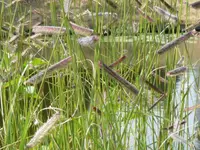
Use nurse grasses

In erosion-prone or very sandy sites, mix a small proportion of short-lived native annual grasses as nurse plants to stabilize soil and protect young seedlings while growing needle grama establishes.

Time grazing or mowing

If used in a meadow or grazing system, delay grazing or mowing until after seed heads mature and shatter, so plants can self-seed and maintain population density.

Encourage natural reseeding

Leave some dry inflorescences standing through late summer and lightly rake or disturb the soil surface beneath them so falling seed can make good contact and germinate next season.

Minimize surface crusting

In compactable soils, lightly break up only the top 0.5–1 cm of soil after heavy rains to prevent surface crusting, which improves air exchange and helps new seedlings emerge more evenly.

Common Pests and Diseases

Leaf spot fungi

This disease appears in unusually wet or overhead-watered stands as small tan to brown lesions on foliage that may merge in heavy infections. Symptoms include thinning patches where affected leaves die back early.

Solution

Reduce overhead irrigation, water in the morning so foliage dries quickly, and increase spacing or air movement through the planting. Remove and discard heavily spotted foliage and any dense thatch, and if wet conditions persist, use a labeled grass fungicide as a targeted spot treatment rather than across the whole site.

Rust

This disease shows as orange to brown powdery pustules on leaves and stems, especially when late-summer humidity stays higher than usual. Symptoms include premature yellowing and early leaf drop, which can thin ornamental plantings.

Solution

Mow or trim and remove infected foliage to lower spore levels and avoid overhead watering to keep leaf surfaces dry. Improve air circulation and, where rust recurs year after year, rotate or mix with less-susceptible native grasses and consider a narrow, labeled grass fungicide program during peak humidity periods.

Grasshoppers

These insects chew irregular holes and ragged edges in blades and can skeletonize small clumps in hot, dry seasons. This pest is particularly active along disturbed, open, sandy sites that favor Bouteloua aristidoides growth.

Solution

Encourage natural predators by maintaining plant diversity around the site and avoid broad-spectrum insecticides that disrupt beneficial insects. In small areas, use floating row covers over young stands, hand-capture early in the morning, or, if pressure is high, apply a targeted baits or insecticides labeled for grasshoppers at the seedling stage.

False chinch bugs

These insects feed in large numbers on succulent seedlings and young plants, causing wilting, silvering, or sudden scorch, especially after nearby weeds dry down. This pest moves in swarms and can quickly damage establishing stands.

Solution

Limit weedy mustard and other host plants near needle grama plantings, and irrigate lightly to reduce sudden drought stress that favors outbreaks. For heavy infestations on young plants, use a strong water spray to dislodge bugs in the evening and consider spot treatments with insecticidal soap or other narrow-spectrum products labeled for chinch-type bugs around the base of the plants.

Aphids

These insects cluster on soft stems or new growth and suck sap, sometimes causing slight curling or yellowing of young blades. This pest can leave sticky honeydew that encourages sooty mold on nearby foliage or surfaces.

Solution

Rinse colonies off with a firm stream of water and repeat every few days until populations drop. Encourage lady beetles and lacewings by avoiding broad-spectrum insecticides, and if needed use insecticidal soap or a light horticultural oil applied in the cooler part of the day, following label directions for grass species and Bouteloua aristidoides plant care.

Interesting Facts

Ephemeral desert annual

This grass is an annual species that completes its entire life cycle in a single favorable season, often germinating, flowering, and setting seed rapidly after brief desert rains.

Microhabitat stabilizer

Its fine, fibrous roots help bind loose sandy soils in arid regions of the southwestern United States and northern Mexico, slightly reducing erosion around small desert microhabitats.

Rain-triggered flowering

Flowering and seed production in this species are closely tied to episodic rainfall events, so individual populations can appear sparse in dry years and suddenly abundant after sufficient moisture.

Botan icon

Did you know?

Bouteloua aristidoides is considered a minor but characteristic component of desert grassland and creosote bush scrub communities, where its presence helps botanists interpret recent rainfall patterns and short-term vegetation dynamics in arid landscapes.

FAQs about needle grama

This grass usually behaves as a short-lived annual in cultivation, completing its life cycle in 1 season. In mild, dry regions it can lightly reseed, so new plants appear each year even though original clumps die.

Grow Healthy Plants with Botan Care

Keep your plants happy and healthy with plant identification, disease detection, and easy care guidance.

Botan plant care app — identify plants on mobile

Explore More Plants